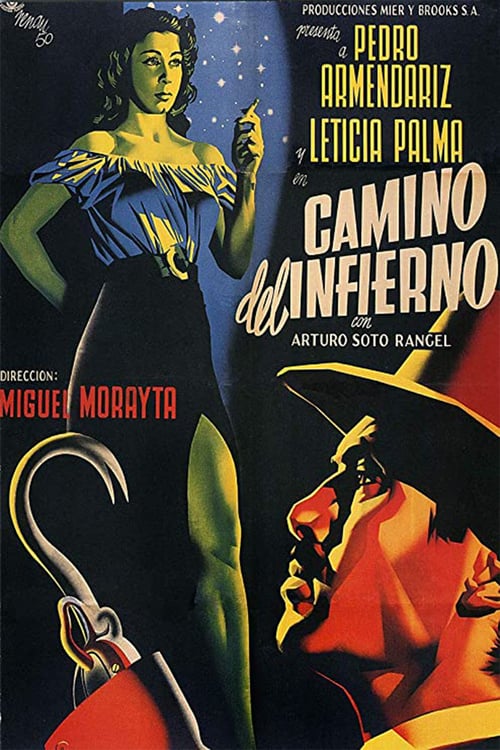
Hell Road
1951
No user ratings available yet
Representation score: 3.3 out of 10
Representation Score
Limited
1979
Director
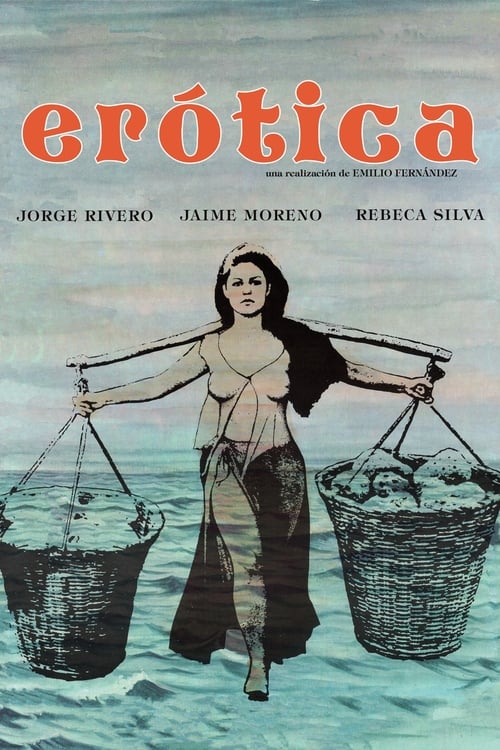
Emilio Fernández
Runtime
82 minutes
Average Rating
No ratings yetNew Showbiz Analysis
Emilio Fernández’s film adheres to traditional genre structures such as crime thrillers and melodramas. The plot is driven by established clichés and focuses on interpersonal conflicts and romantic competition. While the film explores moral ambiguity through its criminal characters, it does not delve into more complex themes that challenge systemic issues or diverse cultural perspectives. Overall, the film functions as a conventional period piece, emphasizing individual passion and violent confrontations over a nuanced exploration of diverse identities.
Category Breakdown
The film centers on a love triangle involving two men and one woman, without including any queer or non-binary identities. It operates within a framework that assumes everyone is straight and cisgender.
The female lead, Erótica, serves as a catalyst for the story but is primarily defined by her attractiveness to the male characters. Her role is more about being desired than having her own choices.
The cast reflects the local context of the film, which is set in Mexico. The film does not actively seek to challenge existing social hierarchies, maintaining a traditional casting approach.
The story follows typical crime thriller conventions, focusing on personal passion and violence. It avoids deeper critiques of institutions and instead focuses on the subjective morality of the characters.
There are no characters with physical or cognitive disabilities. The narrative does not address any visible or hidden impairments.
Present on Screen
Limited or Absent
Official Synopsis
Two men commit a robbery. One is caught but the other escapes. He ends his escape on a lonely and deserted beach where he meets a beautiful woman named Erótica. They start a passionate love affair that is interrupted when the other con man escapes from prison and joins them. A sexual/sentimental love triangle begins leading to a violent confrontation between the two men.
1951
1945

1966
1943
1978

1969

1975
1981
No reviews yet. Be the first to share your thoughts on this movie!
Use the rating form above to leave a star rating and optional review.