Monster Hunters
2020
No user ratings available yet
Representation score: 4.2 out of 10
Representation Score
Fair
2000
Director
Tomoo Haraguchi
Runtime
88 minutes
Average Rating
No ratings yetNew Showbiz Analysis
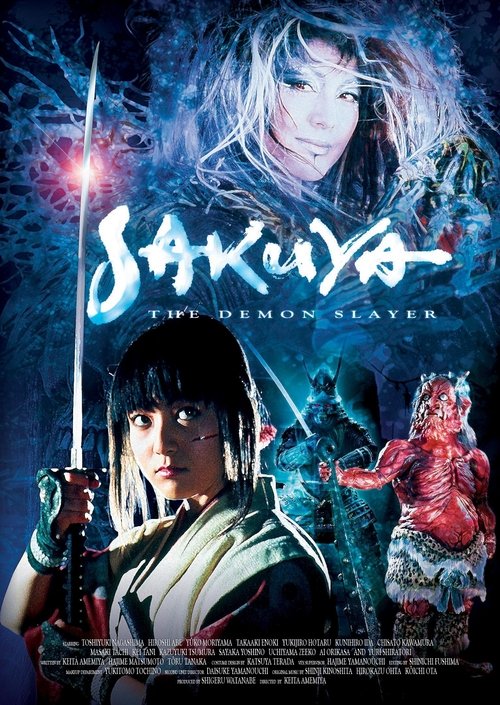
Sakuya: The Slayer of Demons offers a fresh take on the fantasy genre by placing a female protagonist in a traditionally male-dominated role. Sakuya's active role and quest for justice provide a powerful subversion of the damsel cliché. The film uses mythological elements to explore deeper social themes. By focusing on a non-human character, the story examines the complexities of belonging and the tensions between different species, serving as a metaphor for identity and integration. While the film lacks explicit LGBTQ+ or disability representation, its focus on non-human outsiders and female leadership offers a nuanced exploration of morality and social hierarchies.
Category Breakdown
The film does not include explicit representations of same-sex relationships or non-binary gender identities. The story focuses on family bonds and loyalty to a particular species.
Sakuya challenges traditional gender roles by taking an active role as a warrior and driving the plot forward. Her quest for justice and proactive stance make her a key figure in the story.
Set during the Edo period, the film presents a culturally specific Japanese perspective. Tarō, a character in the story, symbolizes navigating 'otherness' and finding a place within society.
The story delves into complex moral questions through the interaction between human societies and non-human entities. It goes beyond simple good-versus-evil clichés to explore personal loyalties and moral ambiguity.
The film does not feature any characters with visible or invisible disabilities.
Present on Screen
Limited or Absent
Official Synopsis
The eruption of Mt. Fuji in 1707 released hordes of demons from deep inside the earth. Sakuya, the young daughter of a samurai killed fighting these demons, accepts a mission to travel to Mt. Fuji and defeat them. Accompanying her on her journey are two veteran warriors and Tarō, a young kappa whom she has adopted as her little brother. Along the way, the two warriors have doubts about Tarō’s loyalties, and the young kappa himself must decide if he will stand with his own species or with the humans who have cared for him.
2020

2001
1994
1988

2011

1996

2002
1997
No reviews yet. Be the first to share your thoughts on this movie!
Use the rating form above to leave a star rating and optional review.