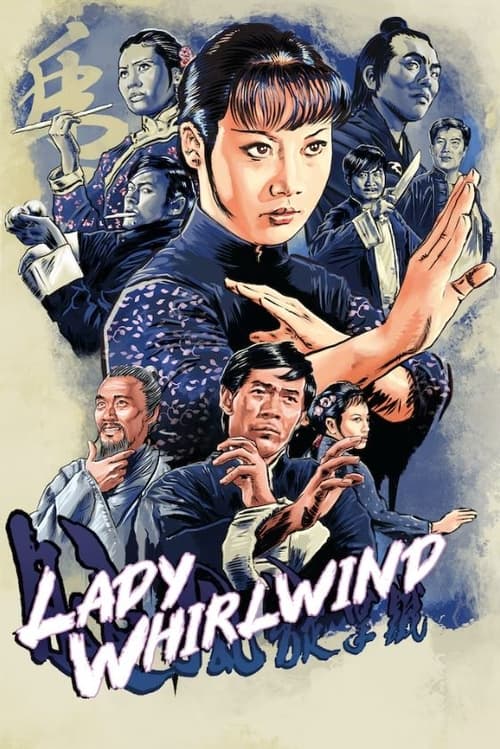
Lady Whirlwind
1972
No user ratings available yet
Representation score: 5.3 out of 10
Representation Score
Limited
1973
RDirector
Cheung Sum
Runtime
94 minutes
Average Rating
No ratings yetNew Showbiz Analysis
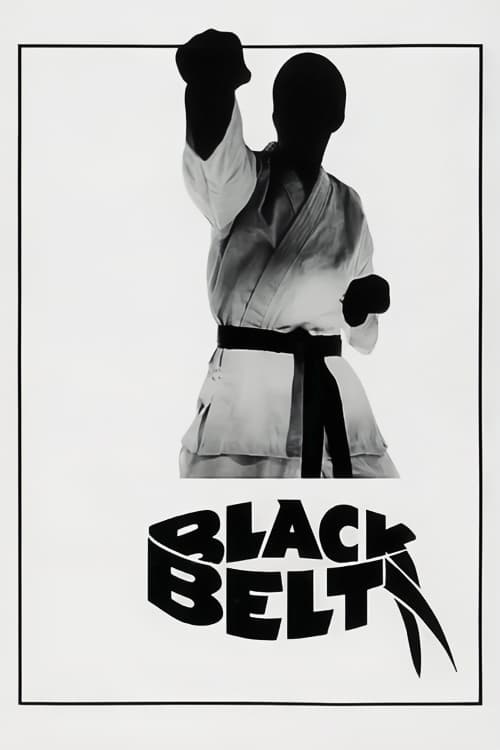
The Black Belt is a typical Shaw Brothers action drama that emphasizes genre clichés over social complexity. While it offers significant representation of East Asian identities, the narrative structure relies heavily on traditional hierarchies and archetypes common to 1970s martial arts cinema. Character motivations are driven by victimization rather than personal ability to act. Women and characters with disabilities are used primarily as tools to advance the male protagonist’s quest for retribution, reinforcing conventional cinematic patterns of the era. Overall, the film lacks the depth required for a higher diversity rating, functioning as a standard genre piece of its time.
Category Breakdown
The film does not include any depictions of LGBTQ+ identities or same-sex relationships. The storyline follows a traditional family revenge plot.
Female characters mainly function as victims of systemic violence. The mother and sister act as catalysts for the protagonist’s journey rather than having their own independent roles.
The cast is primarily East Asian, reflecting the typical demographic makeup of the Hong Kong film industry. There is no intentional mixing of races.
The narrative follows classic justice and family honor clichés. It operates within a traditional moral framework without broader social or secular critiques.
The sister's blindness is a central plot device used to drive the revenge arc. This portrayal of disability focuses on advancing the plot rather than exploring the character’s experiences.
Present on Screen
Limited or Absent
Official Synopsis
A cop seeks revenge on those who murdered his mother, and later kidnap his blind sister for prostitution.
1972

1978
1980
1967
1977
1987

1973

1971
No reviews yet. Be the first to share your thoughts on this movie!
Use the rating form above to leave a star rating and optional review.