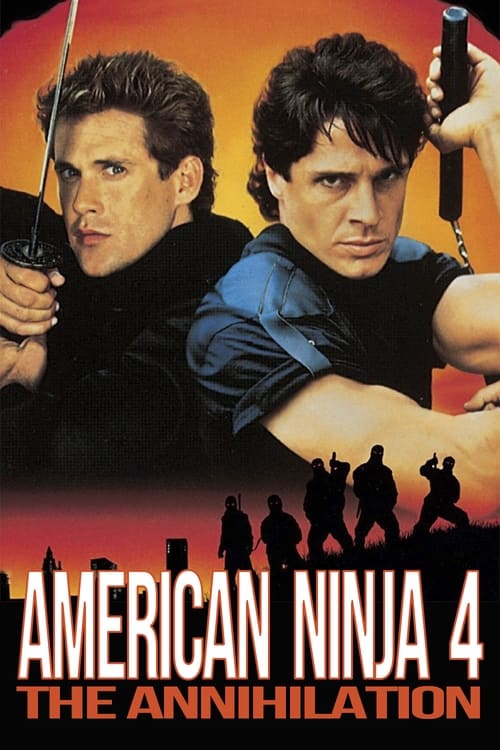
American Ninja 4: The Annihilation
1990
No user ratings available yet
Representation score: 1.0 out of 10
Representation Score
Minimal
1989
RDirector
Cedric Sundstrom
Runtime
89 minutes
Average Rating
No ratings yetNew Showbiz Analysis
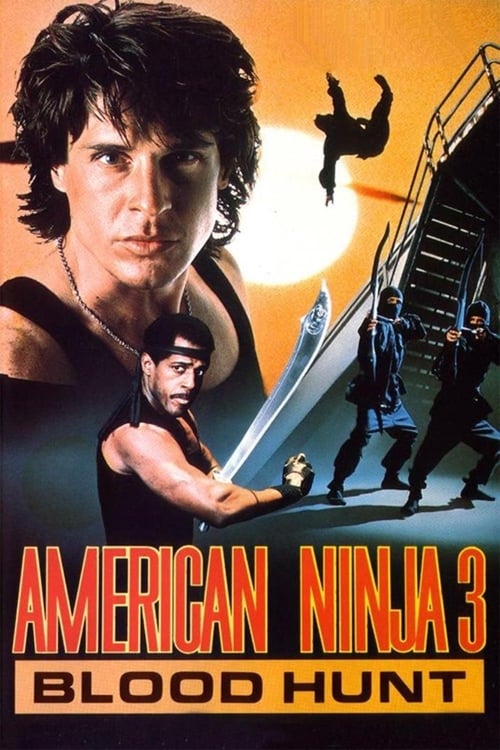
American Ninja 3: Blood Hunt is a typical 1980s action film that adheres to genre standards. The narrative structure reinforces traditional hierarchies, emphasizing male physical dominance and combat skills. While the film incorporates international settings and Asian characters, these elements serve mainly as backdrops for martial arts clichés rather than as opportunities for deeper character development. The film lacks a multi-layered approach, focusing instead on binary morality and individualistic heroism. Ultimately, the film upholds the era's cinematic norms, where the main characters' actions drive the plot, and diversity is used primarily for thematic consistency with the martial arts genre.
Category Breakdown
The film does not include any LGBTQ+ characters or themes. The interpersonal relationships focus on traditional male friendships within the action genre, without challenging straight-centered structures.
The narrative focuses almost entirely on the male protagonist, who holds most of the ability to act. Female characters play supporting roles, often serving as secondary motivators rather than driving the plot themselves.
Asian characters appear in the film but mostly serve functional roles. They are often portrayed as martial arts experts or antagonists, fitting genre clichés.
The story presents a simple good-versus-evil morality. It emphasizes individualistic heroism and Western action-cinema values without providing significant cultural critique.
The film does not depict any meaningful representations of disabilities. A character's viral infection serves as a high-stakes plot device, rather than exploring disability in depth.
Present on Screen
Limited or Absent
Official Synopsis
Jackson is back, and now he has a new partner, karate champion Sean, as they must face a deadly terrorist known as "The Cobra", who has infected Sean with a virus. Sean and Jackson have no choice but to fight the Cobra and his bands of ninjas.
1990

1977
1989

1989
1987
1989
1980
1983
No reviews yet. Be the first to share your thoughts on this movie!
Use the rating form above to leave a star rating and optional review.