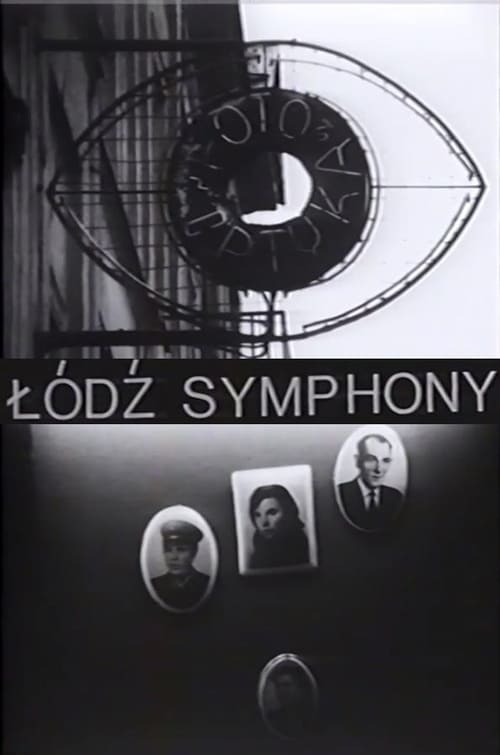
Lodz Symphony
1993
No user ratings available yet
Representation score: 2.1 out of 10
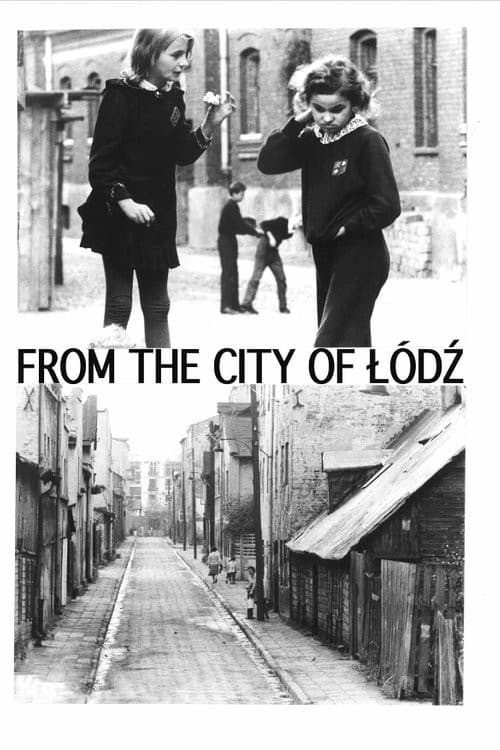
Representation Score
Minimal
1969
Director
Krzysztof Kieślowski
Runtime
18 minutes
Average Rating
No ratings yetNew Showbiz Analysis
Krzysztof Kieślowski’s documentary is a study of social realism rather than a showcase of demographic variety. It prioritizes documenting a specific socioeconomic class during a period of intense industrial and cultural change in Poland. The film effectively deconstructs the myth of smooth progress by highlighting the resentment and confusion felt by older residents. It captures the human condition within a shifting political landscape through a systemic lens. However, the work lacks representation across several key categories. Being a localized historical document, it remains ethnically uniform and does not address LGBTQ+ or disability-focused narratives.
Category Breakdown
The documentary focuses solely on the socioeconomic conditions of the 1960s Polish working class. It does not feature any LGBTQ+ characters or stories involving non-straight identities.
Women are shown in domestic and labor roles, reflecting the era's industrial society. However, the film primarily portrays traditional gender roles without giving women much control over their lives.
The cast is ethnically uniform, representing the specific Polish population of the Łódź industrial area. It captures a particular historical moment without showcasing diverse ethnic backgrounds.
The film provides a detailed look at the tensions between traditional values and institutional changes during modernization. It highlights the struggles of the working class amid urban development.
There are no main characters or storylines focused on physical or invisible disabilities. The film concentrates on the shared experiences of the working class.
Present on Screen
Limited or Absent
Official Synopsis
This documentary explores the changing faces of the old Polish city of Lodz, and how its modernization, both physically and culturally, affects the older, more conservative residents, many of whom lived through World War II and are confused and somewhat resentful at the changes they're seeing.
1993

1927

1968

1929
1972
1955
1956

1971
No reviews yet. Be the first to share your thoughts on this movie!
Use the rating form above to leave a star rating and optional review.