I Am an American
1944
No user ratings available yet
Representation score: 1.2 out of 10
Representation Score
Limited
1939
ApprovedDirector
Crane Wilbur
Runtime
22 minutes
Average Rating
No ratings yetNew Showbiz Analysis
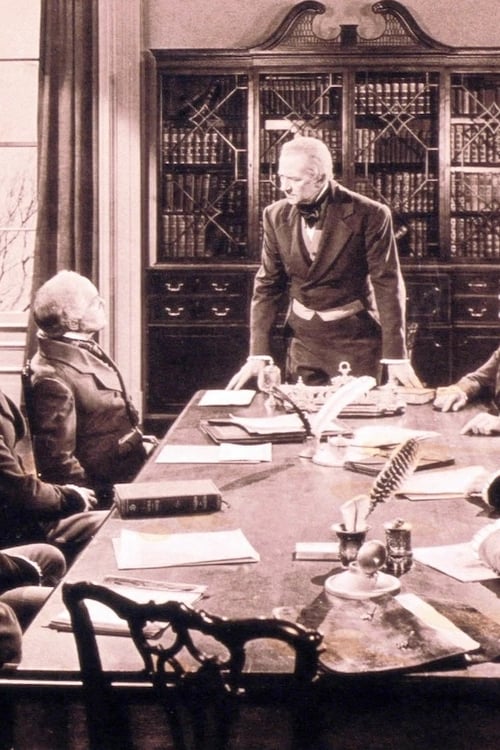
The film centers around a geopolitical drama set in the context of the Monroe Doctrine, emphasizing traditional adventure narratives over social complexity. While it avoids a purely celebratory view of Western dominance by exploring political instability, the narrative remains rooted in masculine-driven clichés of 1939. Diversity is primarily tied to the film's Latin American setting, but lacks deeper character development. The absence of multi-layered depth or diverse ability to act keeps the production within the boundaries of conventional historical drama.
Category Breakdown
The film does not include any LGBTQ+ characters or representations of non-straight relationships. It follows the traditional social norms of the late 1930s.
The main narrative focuses on the male protagonist's investigative journey, with very little subversion of traditional gender roles or female political influence.
The film features a diverse cast representing local Latin American populations. However, these characters often fit within the typical cinematic clichés of the time.
The story examines the tension between national sovereignty and foreign intervention, offering a critique of political corruption and socioeconomic inequality within the local government.
There are no characters with visible or invisible disabilities integrated into the story.
Present on Screen
Limited or Absent
Official Synopsis
The story of President Monroe's response to attempts by Spain to interfere in South America.
1944

1944
1934

1939
1939

1939
1936

1934
No reviews yet. Be the first to share your thoughts on this movie!
Use the rating form above to leave a star rating and optional review.