Beware! The Blob
1972
No user ratings available yet
Representation score: 3.0 out of 10
Representation Score
Fair
1973
RDirector
Antony Balch
Runtime
90 minutes
Average Rating
No ratings yetNew Showbiz Analysis
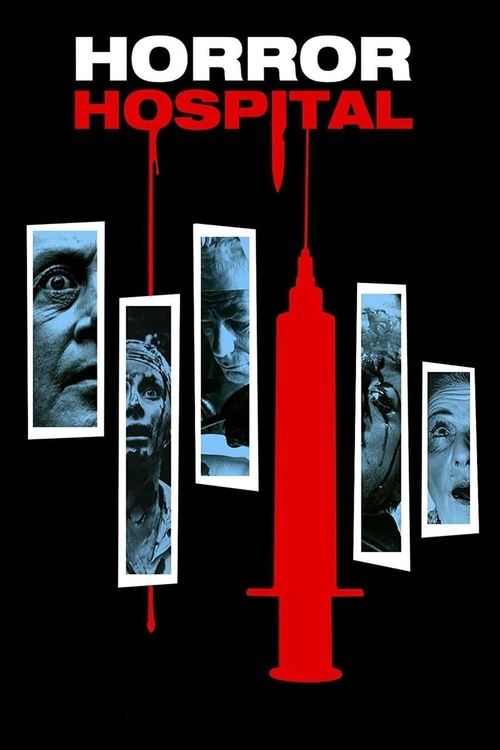
Horror Hospital is a transgressive exploitation piece that prioritizes genre clichés and absurdist chaos over progressive representation. It succeeds in challenging institutional authority through its dark, relativistic tone, but fails to provide meaningful character depth for underrepresented groups. The film relies heavily on outdated clichés, particularly regarding physical differences and gender roles. While the avant-garde influence of Antony Balch provides a unique, non-traditional structure, the actual character demographics remain largely homogeneous and conventional for its era. Ultimately, the film's strength lies in its rejection of stable morality rather than its commitment to diversity. It remains a product of its time, offering stylistic disruption without intentional inclusion of diverse perspectives.
Category Breakdown
The film does not explicitly include LGBTQ+ identities or non-cisgender gender expressions. While it features camp aesthetics typical of the exploitation genre, there is no clear representation of LGBTQ+ individuals taking active roles in the plot.
Female characters such as Judy mainly serve as companions to the male lead. However, the film's absurdity sometimes challenges traditional masculine authority by showing medical leaders as deranged.
The cast appears to reflect a homogeneous demographic typical of 1970s British exploitation cinema. There is no indication of diverse casting or varied racial dynamics within the setting.
The narrative deconstructs traditional moral frameworks by focusing on an ex-Nazi scientist. It uses dark humor to express skepticism towards established medical institutions and social order.
A character described as a 'creepy midget' is used as a source of unease. This functions as a genre cliché rather than a portrayal of a character with ability to act.
Present on Screen
Limited or Absent
Official Synopsis
Following his forced retirement from an appalling rock band, Jason decides to vacation at Brittlehouse Manor, a health farm run by the leather-gloved, ex-Nazi scientist Dr. Storm. Along the way, Jason meets Judy, also on her way to Brittlehouse Manor to visit her aunt, who married Dr. Storm some years ago. Once they arrive, the pair realise rather quickly that something is wrong, probably because the other guests have had their brains surgically removed, or all the blood pouring from the sink, or possibly just because the creepy midget keeps telling them to brush their teeth.
1972
1966
1988
1964
1973
1967
1974
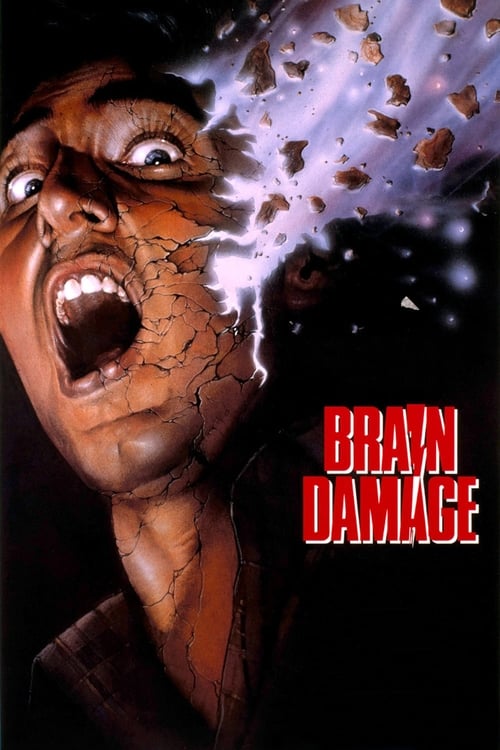
1988
No reviews yet. Be the first to share your thoughts on this movie!
Use the rating form above to leave a star rating and optional review.