The Story of Nampu
1984
No user ratings available yet
Diversity score: 3.8 out of 10
1970
RDirector
Jac Zacha
Runtime
95 minutes
Average Rating
No ratings yetSynopsis
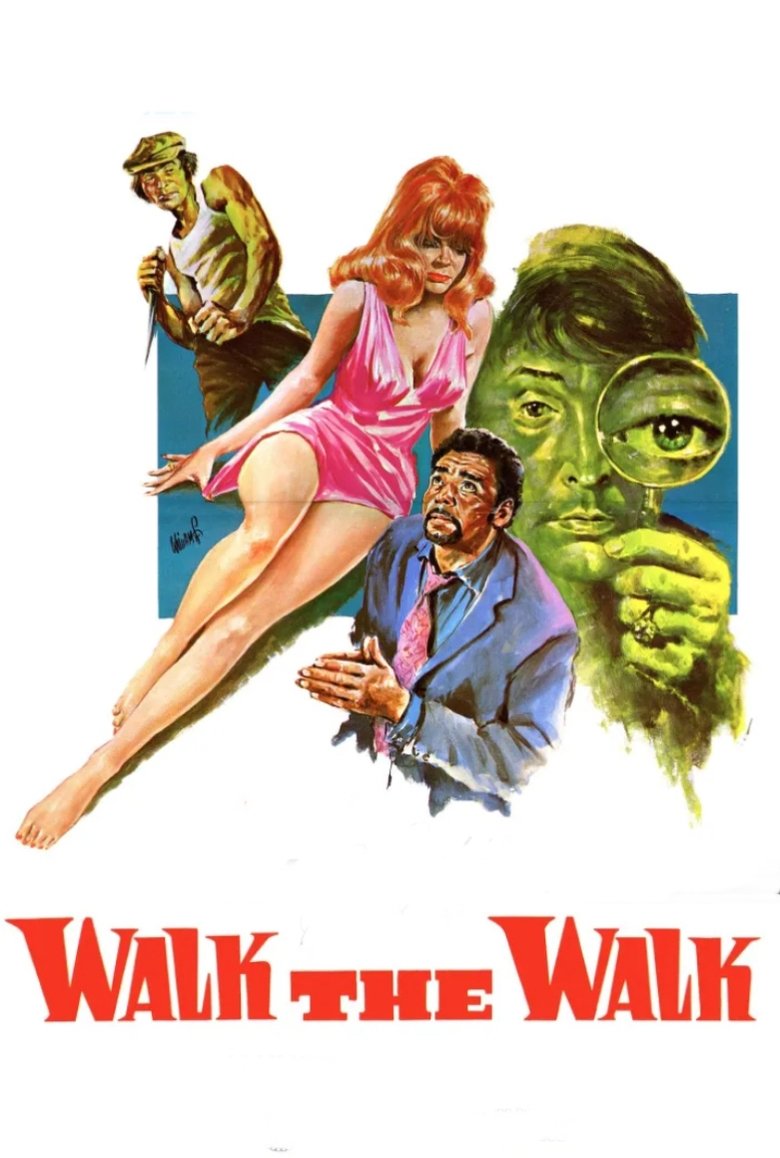
A young black theological student battles against his heroin addiction and alcoholism.
Overall Score
Fair
Category Breakdown
LGBTQ+ Representation
The film provides no evidence of LGBTQ+ characters or narratives. There is no indication of themes addressing heteronormativity.
Gender Representation
The story centers on a male protagonist within a theological setting, suggesting a patriarchal framework. It remains unclear if female characters possess significant agency.
Racial & Ethnic Diversity
The film offers meaningful representation by centering a Black man in a historically white-dominated academic and spiritual environment. This moves the protagonist beyond a peripheral role.
Religious & Cultural Diversity
The narrative explores moral complexity through a theological student's struggle. It examines personal downfall and potential critiques of religious institutions.
Disability Representation
The depiction of heroin addiction and alcoholism touches on chemical dependency and mental health. It is unclear if these are treated with agency or as tragic plot devices.
Strengths
Areas for Improvement
AI Analysis
Walk the Walk disrupts 1970s cinematic tropes by placing a Black protagonist at the center of an intellectual and spiritual crisis. By focusing on a theological student's battle with addiction, the film moves away from standard racial caricatures and toward a more nuanced exploration of identity. However, the film's scope appears limited by a traditional patriarchal structure. The focus on a singular male struggle leaves questions regarding the presence and agency of female characters or LGBTQ+ perspectives. Ultimately, the film succeeds in providing racial depth within a specialized field, even if its broader social representation remains narrow.
1984
1980
1986

2010

1962
1991
1983

1970
1963
1996

2009

1985
No reviews yet. Be the first to share your thoughts on this movie!
Use the rating form above to leave a star rating and optional review.