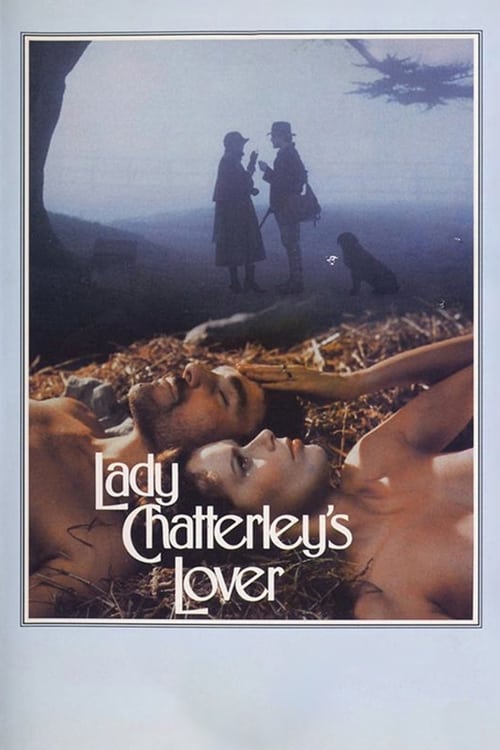
Lady Chatterley's Lover
1981
No user ratings available yet
Diversity score: 4.4 out of 10
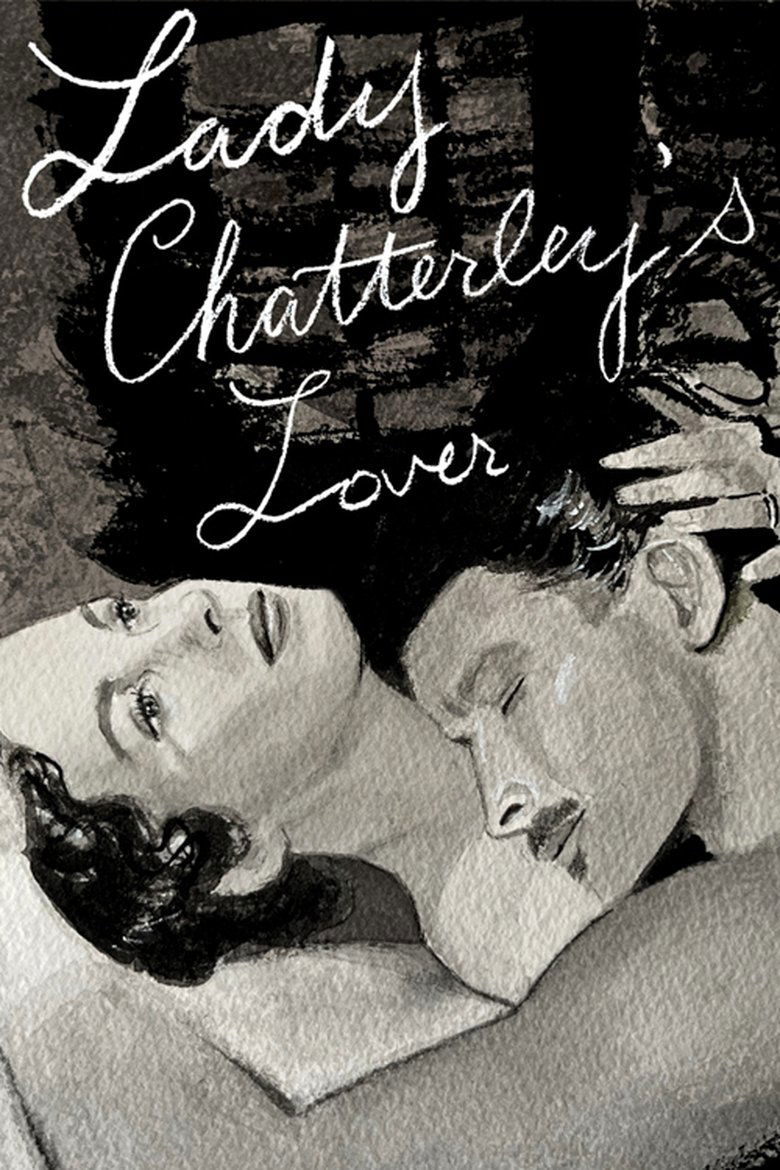
1955
Director
Marc Allégret
Runtime
99 minutes
Average Rating
No ratings yetSynopsis
After a crippling injury leaves her husband impotent, Lady Chatterly is torn between her love for her husband and her physical desires. With her husband's consent, she seeks out other means of fulfilling her needs.
Overall Score
Fair
Category Breakdown
LGBTQ+ Representation
The film lacks LGBTQ+ characters or non-heteronormative identities. The central conflict focuses entirely on the complexities of a heterosexual marriage and external physical fulfillment.
Gender Representation
Connie’s sexual agency disrupts traditional gender hierarchies and challenges expectations of female passivity. The film also deconstructs masculine archetypes by contrasting the husband's detachment with the gamekeeper's vitality.
Racial & Ethnic Diversity
The cast reflects the demographic homogeneity of post-WWI England. The social structures depicted are almost exclusively white, adhering to the historical constraints of the British class system.
Religious & Cultural Diversity
The narrative critiques Western institutions by pitting industrial capitalism against working-class vitality. It frames infidelity as a pursuit of authentic connection rather than a moral transgression.
Disability Representation
Sir Clifford’s paraplegia serves as a central plot driver. The film uses his condition to explore intimacy, power, and the limitations of the human body without resorting to mockery.
Strengths
Areas for Improvement
AI Analysis
Marc Allégret’s adaptation focuses on psychological and sensual landscapes, prioritizing internal emotional truths over social decorum. The film succeeds in deconstructing traditional pillars of Western society, specifically the sanctity of the nuclear family and the industrial class system. While the film is limited by the historical homogeneity of its setting, it offers a sophisticated critique of class and gender. It replaces rigid social structures with a framework of individualistic liberation and class-based tension. Ultimately, the film's strength lies in its subversion of the era's expectations regarding female agency and the stability of the aristocratic class.
1981
1989
2006

1996

1984

1984
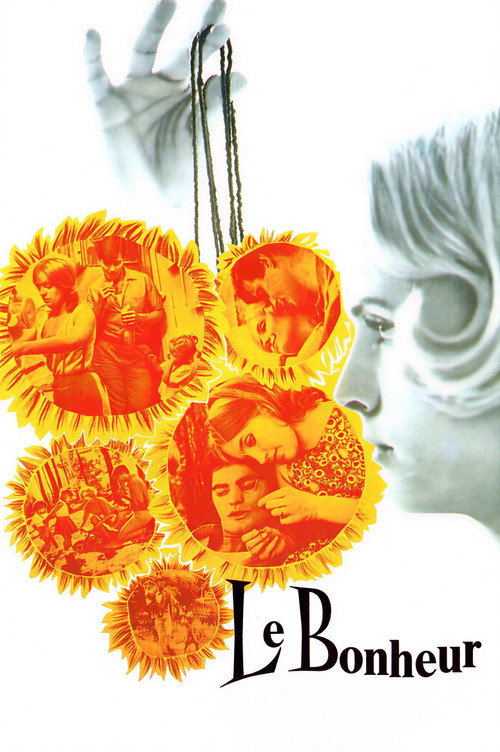
1965
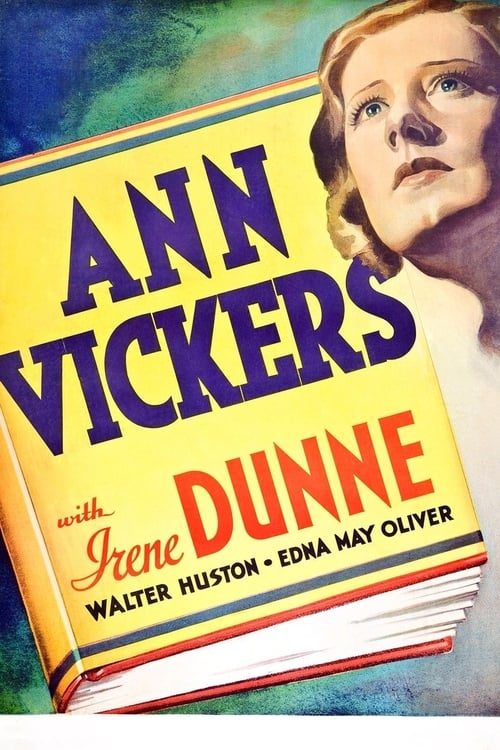
1933

1976
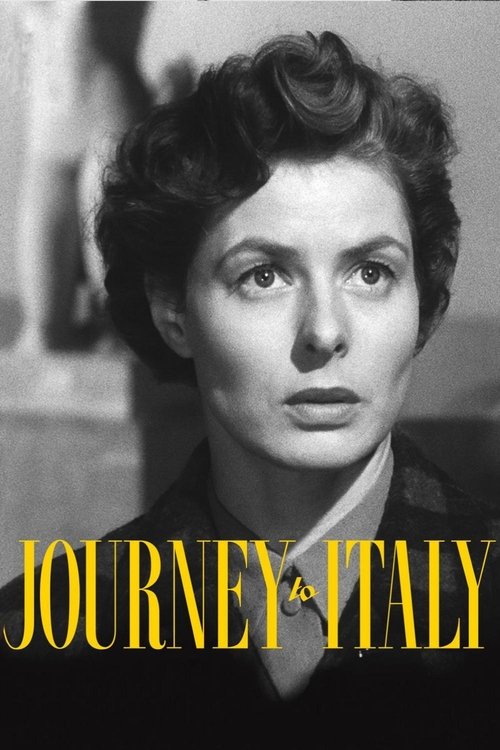
1954

1967
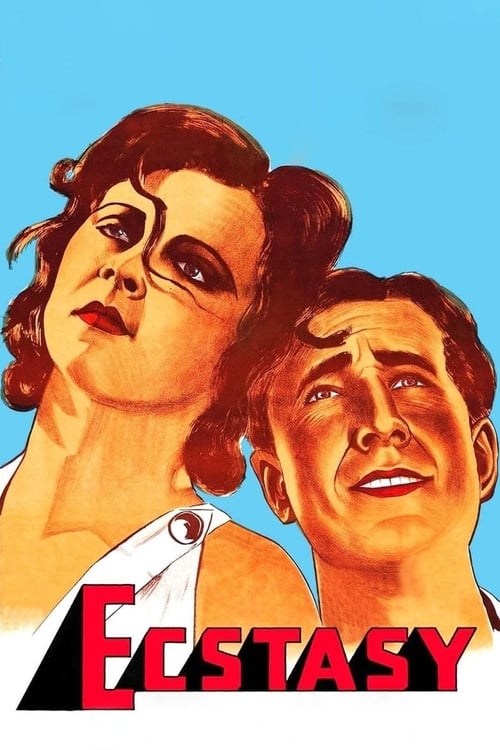
1933
No reviews yet. Be the first to share your thoughts on this movie!
Use the rating form above to leave a star rating and optional review.