
Framing Agnes
2022
No user ratings available yet
Representation score: 8.8 out of 10
Representation Score
Good
2022
PG-13Director
Sébastien Lifshitz
Runtime
97 minutes
Average Rating
No ratings yetNew Showbiz Analysis
Casa Susanna is a profound reclamation of a forgotten history, focusing on a clandestine network of cross-dressers in the mid-century Catskills. The film excels by prioritizing the roles of its subjects, transforming a historical record into a study of identity and systemic resistance. The documentary succeeds in its deep exploration of gender non-conformity and the creation of communal safe spaces. It effectively challenges the narrow focus on straight relationships through the lived experiences of its protagonists. However, the film's impact is localized. The focus on a specific geographic community results in a lack of racial and ethnic pluralism, limiting the scope of its diversity to gender and identity rather than multi-layered racial representation.
Category Breakdown
The film centers the lives of transgender individuals, such as Diane, Kate, and Susanna, emphasizing their roles and the exploration of gender performance. It highlights the creation of safe spaces that don't assume everyone is cisgender.
The narrative challenges traditional gender roles by focusing on individuals who navigate life outside the binary constraints of the mid-20th century. It portrays the strength and intellectual independence of its subjects as they create a private social order.
The film focuses on a specific, localized community in the American Catskills. While it provides depth to its main characters, there is limited evidence of a diverse or multi-ethnic cast.
The documentary critiques traditional Western institutions by depicting mid-century social and legal structures as restrictive. It portrays Casa Susanna as a vital refuge and an act of liberation against mainstream conformity.
There is insufficient evidence within the film's context to evaluate the representation of physical or neurodivergent disabilities.
Present on Screen
Limited or Absent
Official Synopsis
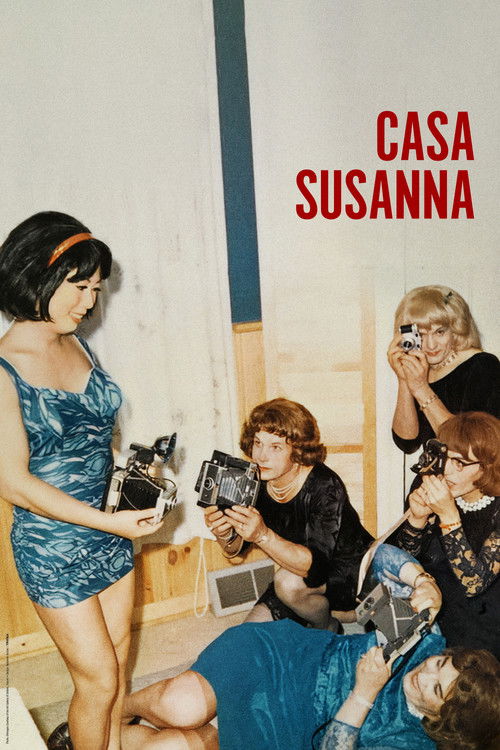
In the 50s and 60s, deep in the American countryside at the foot of the Catskills, a small wooden house with a barn behind it was home to the first clandestine network of cross-dressers. Diane and Kate are now 80 years old. At the time, they were men and part of this secret organization. Today, they relate this forgotten but essential chapter of the early days of trans-identity. It is a story full of noise and fury, rich in extraordinary characters, including the famous Susanna, who had the courage to create this refuge that came to be known as Casa Susanna.
2022

2017
2020

2019
2016

2021

2011
1996
No reviews yet. Be the first to share your thoughts on this movie!
Use the rating form above to leave a star rating and optional review.