Becoming Chaz
2011
No user ratings available yet
Representation score: 6.2 out of 10
Representation Score
Good
2011
Director
Michiel van Erp
Runtime
80 minutes
Average Rating
No ratings yetNew Showbiz Analysis
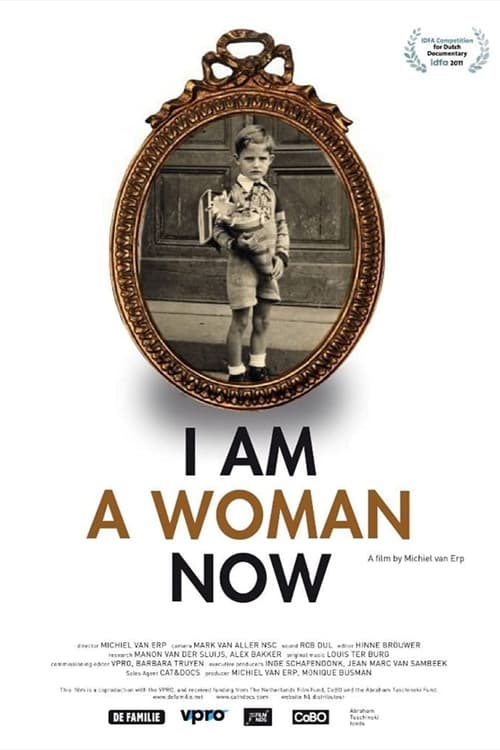
Michiel van Erp’s documentary serves as a powerful act of historical reclamation. By focusing on the 1950s Casablanca clinic of Georges Burou, the film disrupts standard timelines of sexual liberation. It prioritizes the subjective truths and personal autonomy of five women. The film treats its subjects as human beings navigating aging and identity rather than historical anomalies. This approach offers a sophisticated look at how gender affirmation existed well before the mainstream movements of the 1960s. While the film is deeply humanistic, its racial diversity is somewhat limited by the focus on the European/French diaspora within a North African setting.
Category Breakdown
The film focuses on the lives of transgender women without relying on medical curiosity. It honors the legacy of figures like Coccinelle, validating historical queer identities.
This documentary challenges traditional hierarchies by highlighting deliberate transitions from male to female. It emphasizes individual ability to act in reclaiming bodies and identities against mid-20th-century biological essentialism.
Set in Casablanca, the film showcases a cross-cultural intersection between French medical practices and North African geography. However, the primary subjects seem to belong to the European diaspora.
The narrative critiques institutionalized norms by emphasizing personal truth. It highlights individual liberation over traditional societal or religious expectations.
The film does not provide specific evidence regarding the portrayal of physical or neurodivergent disabilities.
Present on Screen
Limited or Absent
Official Synopsis
Whoever wanted a sex reassignment surgery in the 1950's could do so in Casablanca, at French gynaecologist Georges Burou's clinic, without fear of psychological examination. The French transgender singer known as Coccinelle was one of the first to use Burou’s services, and many others followed. Michiel Van Erp’s film follows five women who underwent surgery during that time, just before the sexual revolution and the Gay Liberation movement of the 1960's. Intimate interviews reveal their lifestyle, what made them change their sex, how it influenced their lives, and how they cope with the unavoidable ageing.
2011

2017
2015

2021
2021
1977
1990
2022
No reviews yet. Be the first to share your thoughts on this movie!
Use the rating form above to leave a star rating and optional review.