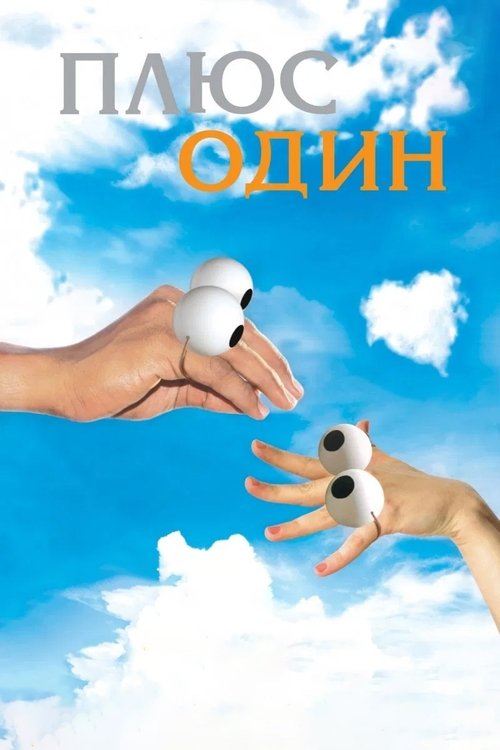
Plus One
2008
No user ratings available yet
Representation score: 7.0 out of 10
Representation Score
Fair
2024
Director
Tina Barkalaya
Runtime
98 minutes
Average Rating
No ratings yetNew Showbiz Analysis
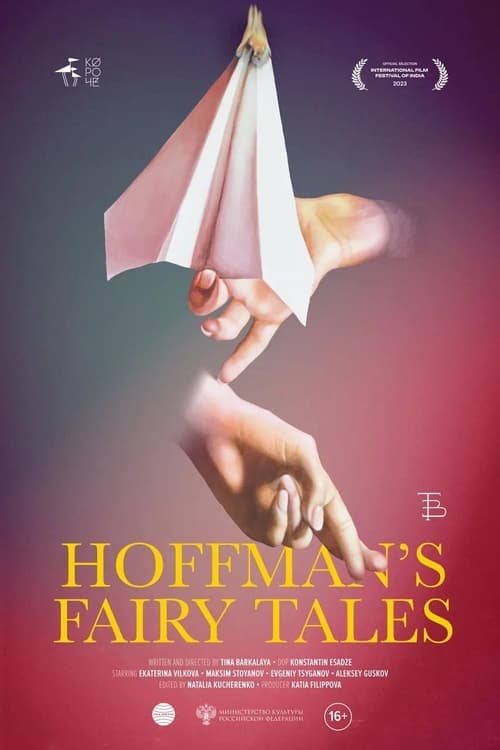
Hoffmann's Fairy Tales provides a critical perspective on the socio-political turbulence of the early 2000s. It effectively deconstructs traditional social structures, particularly through its subversion of gender roles and its skeptical view of capitalist integration. However, the film's scope is limited to a specific regional and class-based experience. It does not engage with LGBTQ+ themes or racial and ethnic diversity. Ultimately, the film excels in depicting the complexities of systemic change, offering a nuanced exploration of survival during a period of intense cultural transformation.
Category Breakdown
The film does not explicitly depict LGBTQ+ identities or relationships outside of heterosexual norms. The central marriage is presented as a practical arrangement rather than a romantic one.
Nadezhda challenges traditional gender roles by serving as the main economic provider for her family. Her husband, Vitalik, is shown as an opportunist seeking social advancement through marriage.
The story focuses on socio-economic changes in the Moscow suburbs. There is no indication of racial or ethnic diversity or challenges to Anglo-centric norms.
The film critically examines the shift from Soviet collective values to Western consumer culture. It emphasizes the lived experiences of systemic change over individual nationalist or religious beliefs.
There are no visible or mentioned representations of physical or neurodivergent disabilities in the narrative.
Present on Screen
Limited or Absent
Official Synopsis
The beginning of the 2000s. New realities, instant adaptation to the proposed circumstances, enchanting careers, unexpected unknown professions... All this could have happened only at the turn of the century, when the Soviet system instantly went out of fashion, replaced by the lightning invasion of the Western world in a grotesque parody. The main character of the film is an inconspicuous girl Nadezhda Strakhova. Nadezhda, oddly enough, is married. Her husband, Vitalik, a provincial, married a childless Nadezhda for the sake of a Moscow residence permit and a typical "Khrushchev" on the outskirts of Moscow. Nadezhda works two jobs to support her small family: in the mornings in the district library and in the evenings in the theater wardrobe. One day her life changes dramatically.
2008
2011
2000
1980
2015
1992
1990
2006
No reviews yet. Be the first to share your thoughts on this movie!
Use the rating form above to leave a star rating and optional review.