
Whirlpool
1935
No user ratings available yet
Representation score: 3.4 out of 10
Representation Score
Limited
1927
Director
Jean Epstein
Runtime
84 minutes
Average Rating
No ratings yetNew Showbiz Analysis
Jean Epstein’s drama focuses on the psychological study of passion and consequence rather than social diversity. The film adheres to the homogeneous social structures typical of its era, lacking in LGBTQ+ or racial representation. However, the film challenges traditional social institutions by emphasizing moral relativism and the instability of domestic bonds. It prioritizes the chaotic nature of human impulses over the sanctity of the family. Ultimately, while the film lacks modern markers of diversity, it offers a sophisticated exploration of internal emotional landscapes and the breakdown of conventional social hierarchies through its tragic, secular lens.
Category Breakdown
The film does not include any LGBTQ+ characters or non-straight relationships. The story revolves around a traditional romantic triangle involving two brothers and a singer.
Marie serves as a catalyst for conflict, but her role is tied to her personal instability. Male characters represent professional stability and emotional vulnerability, reinforcing traditional gender roles.
The setting mirrors the homogeneous social structures of 1920s French cinema. There is no indication of racial diversity or a non-white cast within the narrative.
The story explores subjective morality and the deconstruction of the ideal family unit. It favors psychological truth and fatalistic human connections over religious or institutional dogma.
The synopsis does not mention any physical, neurodivergent, or mental health disabilities as central plot devices or character traits.
Present on Screen
Limited or Absent
Official Synopsis
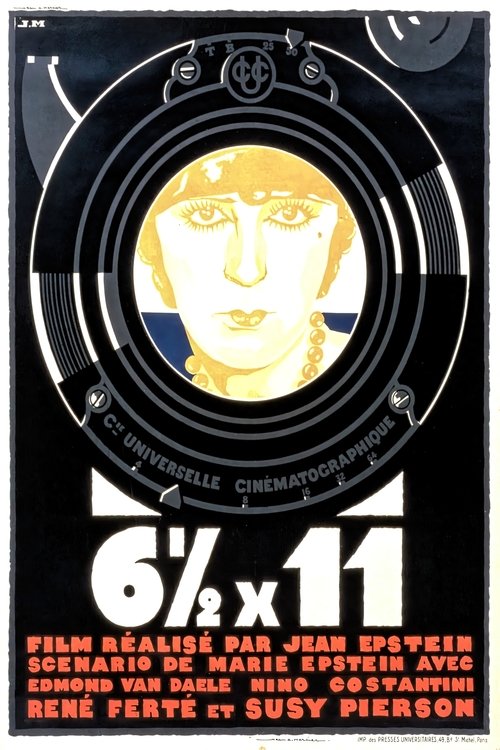
A renowned doctor and his brother live and work together until the brother falls in love with Marie, a singer, and gives up medicine to be with her. After a time however, she misses her old life and goes back on the stage - an act which leads her lover to commit suicide. Later the doctor and Marie also meet, and she becomes his mistress. He finds out about his brother's suicide and goes through his artifacts looking for a clue as to what might have been the cause. He finds a photograph of Marie and realizes the truth, which decimates their relationship.
1935
1928
1921
1951
1933
1938
1928
1927
No reviews yet. Be the first to share your thoughts on this movie!
Use the rating form above to leave a star rating and optional review.