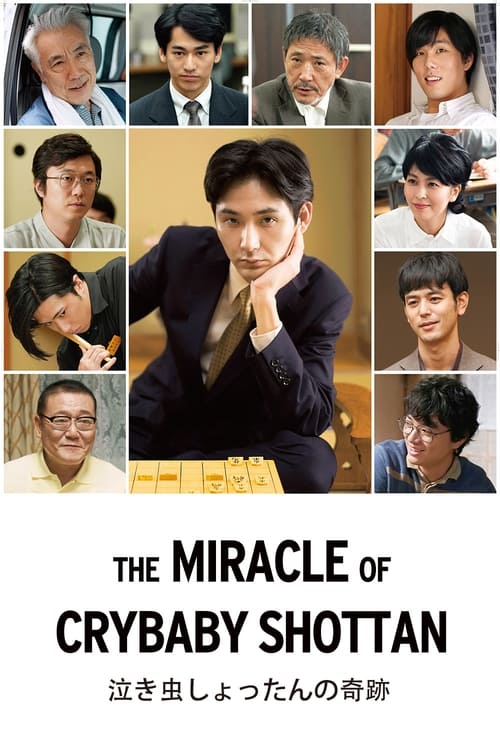
The Miracle of Crybaby Shottan
2018
No user ratings available yet
Representation score: 2.8 out of 10
Representation Score
Good
2025
Director
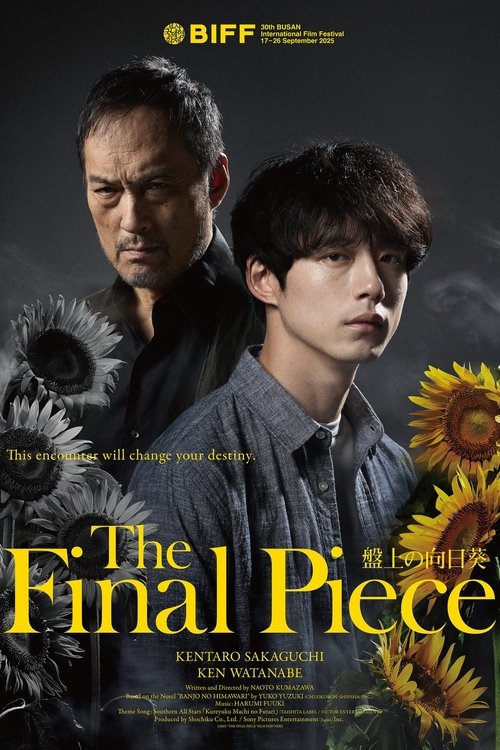
Naoto Kumazawa
Runtime
123 minutes
Average Rating
No ratings yetNew Showbiz Analysis
The film is a character-driven drama that prioritizes psychological realism and thematic depth over broad demographic variety. It successfully employs cultural traditions like Shogi to explore complex human emotions and the devastating impact of domestic abuse. However, the narrative is heavily centered on male perspectives and a homogeneous Japanese cast. This focus on a specific domestic unit limits the scope of representation across gender and LGBTQ+ identities. Ultimately, the film's strength lies in its nuanced exploration of invisible struggles, such as psychological trauma, rather than its breadth of social diversity.
Category Breakdown
The story does not include explicit LGBTQ+ characters, and there is no visible queer subtext or non-straight relationships in the current synopsis.
The story centers around a male protagonist and male authority figures. However, Tao Tsuchiya’s presence suggests that female characters play important roles in the protagonist's emotional journey.
As a Japanese production, the film features a predominantly Japanese cast, emphasizing indigenous storytelling within its own ethnic context.
The film uses the traditional Japanese game of Shogi to explore themes of morality and survival. It challenges the idealized family unit by depicting the home as a place of trauma.
While no physical disabilities are mentioned, the film delves into psychological trauma and internal conflicts. The protagonist’s heightened senses through Shogi may symbolize neurodivergent hyper-focus.
Present on Screen
Limited or Absent
Official Synopsis
Keisuke, a 10-year-old boy, living hard despite being abused by his father, finds a ray of light in the midst of his suffering and conflict ---- a shogi world where he fights quietly and passionately in his sharpened senses. Even though he gives up and tries to escape from the light, his passion for shogi continues to guide him thereafter. Eventually, he would learn the true meaning of life.
2018
2014
2017
1993
2016

2016
2017
2004
No reviews yet. Be the first to share your thoughts on this movie!
Use the rating form above to leave a star rating and optional review.