
Blue Spring
2001
No user ratings available yet
Diversity score: 3.9 out of 10
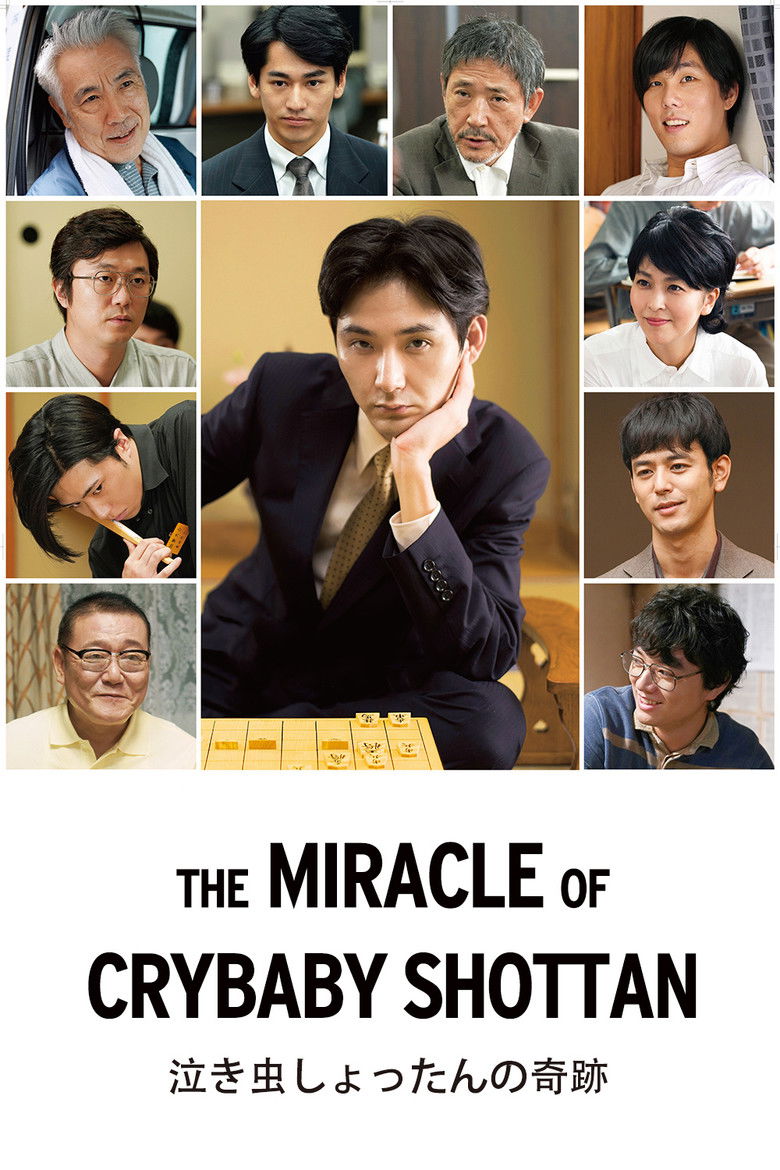
2018
Director
Toshiaki Toyoda
Runtime
127 minutes
Average Rating
No ratings yetSynopsis
Shoji Segawa was a quiet and inconspicuous boy, but, for the first time, he is recognized by people after winning the National Middle School Shogi Tournament. At the age of 26, his dream of becoming a professional shogi player collapses due to an age restriction. After he quits playing shogi, he becomes desperate. With the support of his peers, including Yuya Suzuki, and his love of shogi, Shoji Segawa begins to play shogi again. A miracle happens to him.
Overall Score
Limited
Category Breakdown
LGBTQ+ Representation
The film lacks any visible LGBTQ+ characters or narratives addressing non-cisnormative identities. The story focuses entirely on the protagonist's professional struggle with Shogi.
Gender Representation
The narrative centers on a male protagonist's journey through failure and rebirth. It remains unclear if the film subverts masculine archetypes or simply reinforces traditional dramatic structures.
Racial & Ethnic Diversity
As a Japanese production, the film operates within a culturally homogeneous framework. It does not utilize intersectional casting to challenge ethnic norms.
Religious & Cultural Diversity
The story explores the tension between individual agency and institutional rules. It follows a conventional path of personal triumph rather than offering a systemic critique.
Disability Representation
There is no evidence of neurodivergence, physical disabilities, or mental health conditions serving as central narrative drivers in this work.
Strengths
Areas for Improvement
AI Analysis
The film functions as a traditional biographical drama centered on the psychological and professional trajectory of Shoji Segawa. It prioritizes the mastery of a specialized discipline over the deconstruction of social hierarchies. The narrative follows a standard arc of individualistic perseverance, moving from professional obsolescence to personal redemption. While it explores themes of resilience and peer support, it adheres to conventional storytelling patterns. Ultimately, the work is culturally grounded in the specific tradition of Shogi. It focuses on character development and personal triumph rather than intentional disruption of established social or gender norms.
2001

2018

2019

2011
2011

2019

2017

2005

2019
2007

2019

2014
No reviews yet. Be the first to share your thoughts on this movie!
Use the rating form above to leave a star rating and optional review.