Red Earth
1982
No user ratings available yet
Representation score: 4.0 out of 10
Representation Score
Fair
1984
RDirector
Werner Herzog
Runtime
100 minutes
Average Rating
No ratings yetNew Showbiz Analysis
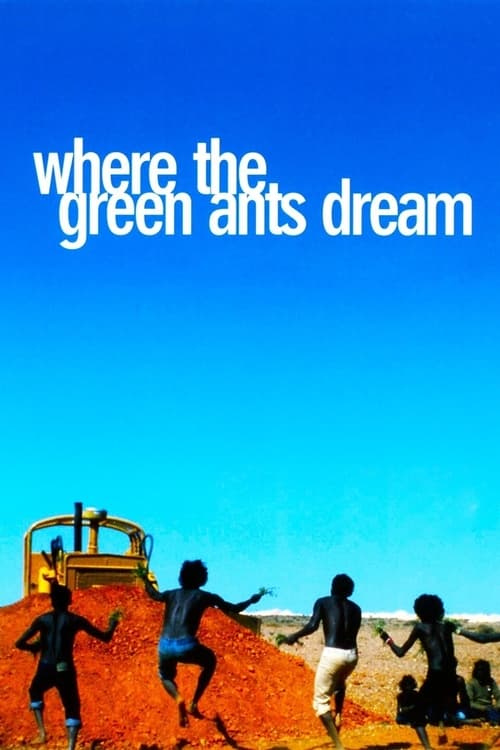
Werner Herzog’s film stands out by centering indigenous perspectives and critiquing the destructive impact of industrial progress. It effectively challenges the traditional Western viewpoint by highlighting the spiritual and ecological relationships of indigenous communities. However, the film lacks representation of modern identity-politics frameworks. There are no visible LGBTQ+ narratives or specific depictions of disability, which limits its scope within contemporary diversity standards. Ultimately, the work serves as a powerful post-colonial critique, elevating indigenous perspectives by contrasting subsistence living with the exploitative interests of global capitalism.
Category Breakdown
The film focuses on communal and ritualistic structures within indigenous cultures. There is no indication of non-traditional gender identities or queer narratives.
The narrative highlights traditional gender roles within indigenous cultures. While it avoids emphasizing male dominance, it does not explicitly challenge gender hierarchies.
The film centers indigenous populations as primary subjects, using actual tribe members to prioritize an indigenous worldview and disrupt the Western perspective.
The film offers a sophisticated critique of Western industrial expansion. It emphasizes the spiritual significance of the environment against the backdrop of predatory mining interests, prioritizing indigenous cosmology.
As an ethnographic study of communal life, the film does not depict specific instances of disability. The focus remains on the collective experience of the tribe.
Present on Screen
Limited or Absent
Official Synopsis
The Australian Aborigines (in this film anyway) believe that this is the place where the green ants go to dream, and that if their dreams are disturbed, it will bring down disaster on us all. The Aborigines' belief is not shared by a giant mining company, which wants to tear open the soil and search for uranium.
1982
1976

2009
1990

2004
2004

1965
1977
No reviews yet. Be the first to share your thoughts on this movie!
Use the rating form above to leave a star rating and optional review.