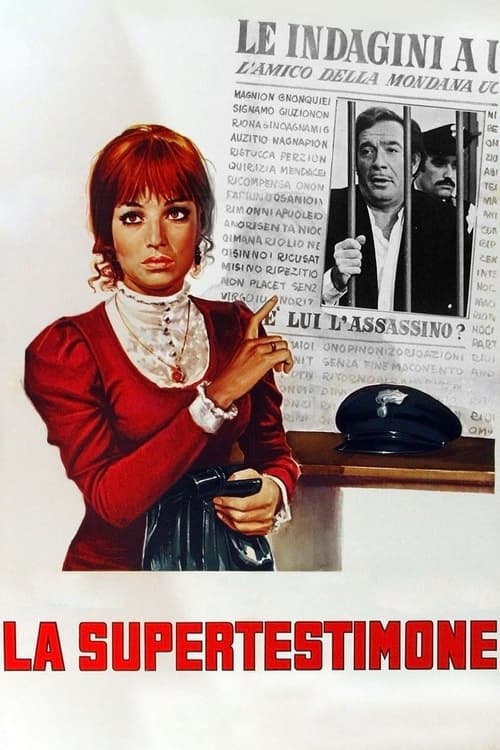
The Superwitness
1971
No user ratings available yet
Representation score: 3.7 out of 10
Representation Score
Minimal
1970
Director
Bruno Corbucci
Runtime
89 minutes
Average Rating
No ratings yetNew Showbiz Analysis
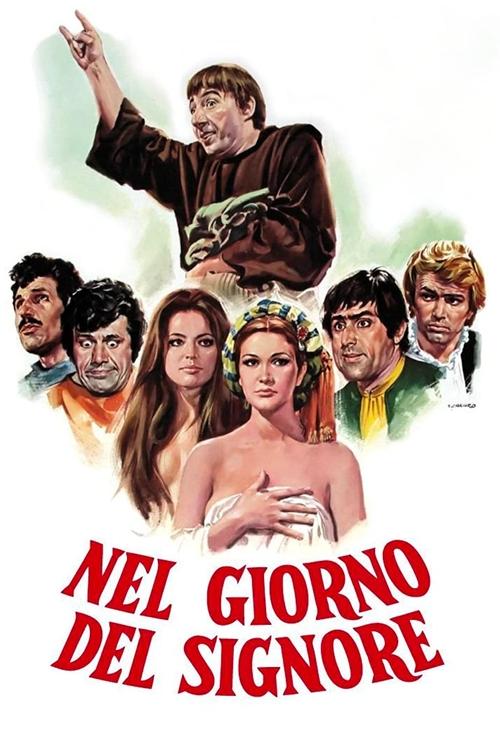
On the Day of the Lord operates as a traditional period comedy-drama rooted in 1970s European cinematic conventions. The story relies on established social hierarchies and romantic melodrama to drive its conflict. While the plot explores themes of class distinction and judicial error, it does so through a lens of individual struggle rather than systemic critique. The narrative structure follows conventional patterns of the era. Ultimately, the film does not attempt to disrupt social hierarchies or provide characters who reflect more than one aspect of diversity, remaining within the bounds of standard historical storytelling.
Category Breakdown
The film focuses on heterosexual romantic rivalry involving Raphael and two women. There is no representation of LGBTQ+ identities or critiques of heterosexuality.
Female characters play key roles in driving the plot, but they are confined to traditional archetypes such as the mistress and the noble rival. Their influence is largely tied to romantic competition and survival.
Set in a historical Italian context, the narrative centers on a homogeneous European cast. It adheres to the traditional demographic norms of its era and setting.
The premise relies on traditional Western historical settings and moral frameworks. The plot focuses on individual innocence rather than critiquing Western institutions.
The narrative provides no mention of characters with physical or neurodivergent disabilities.
Present on Screen
Limited or Absent
Official Synopsis
Margherita nicknamed Fornarina is Raphael's mistress. Beatrice, a noblewoman who is also in love with the famous painter tries to get her out of the way, by having her wrongly accused of the murder of a loan shark, whom she has in reality killed herself. Fornarina is sentenced to death. Will Raphael manage to prove her innocent?
1971
1972

1973
1961

1979

1964
1964
1973
No reviews yet. Be the first to share your thoughts on this movie!
Use the rating form above to leave a star rating and optional review.