
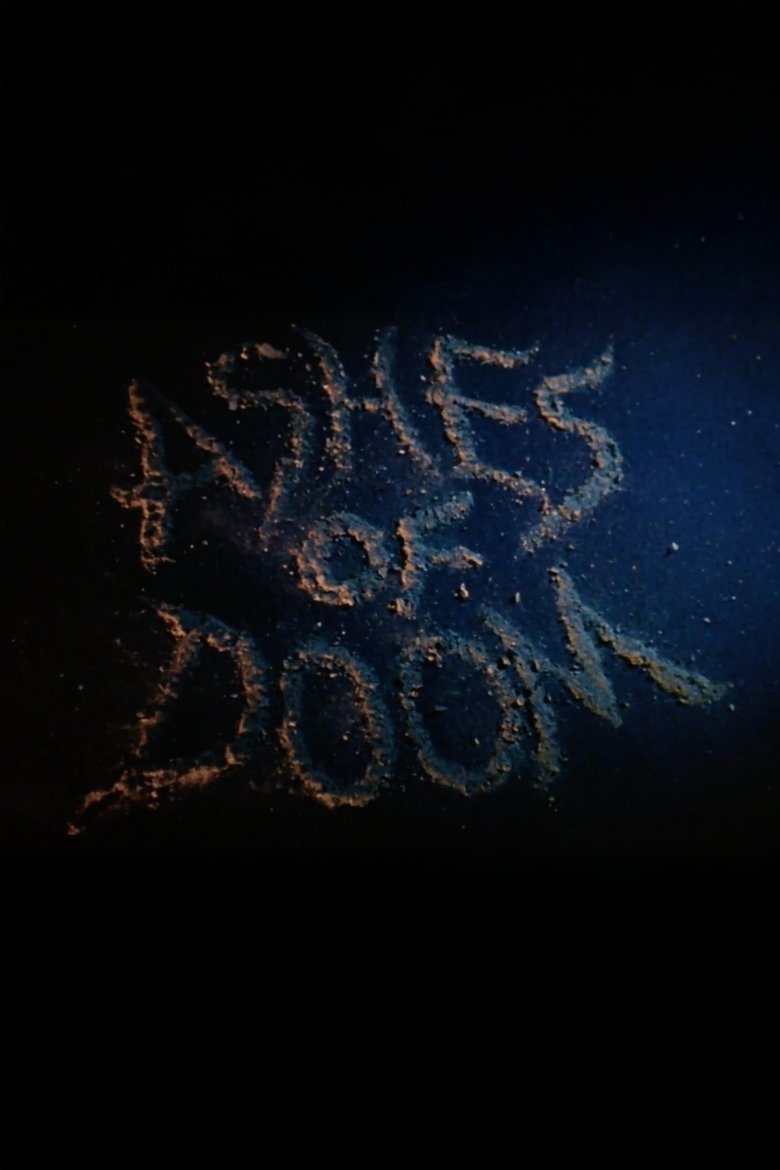
Doctor of Doom
1979
No user ratings available yet
Diversity score: 1.5 out of 10
1970
Director
Grant Munro
Runtime
2 minutes
Average Rating
No ratings yetSynopsis
A chain-smoking woman has an encounter with a vampire.
Overall Score
Limited
Category Breakdown
LGBTQ+ Representation
The film lacks explicit evidence of queer identities or non-cisnormative orientations. The central encounter between a woman and a vampire provides no verifiable queer presence.
Gender Representation
A female protagonist provides a baseline for agency. However, the narrative appears reactive rather than a proactive subversion of traditional patriarchal roles.
Racial & Ethnic Diversity
There is no information regarding the racial or ethnic composition of the cast. The film likely follows the homogeneous casting norms of 1970s genre cinema.
Religious & Cultural Diversity
The story relies on traditional horror tropes without offering significant cultural or institutional critiques. It lacks evidence of challenging Western norms or promoting moral relativism.
Disability Representation
The synopsis and cast list contain no mention of characters with visible or invisible disabilities.
Strengths
Areas for Improvement
AI Analysis
Ashes of Doom operates within the standard constraints of 1970s horror-comedy. While it centers on a female lead, the narrative structure seems to follow conventional genre patterns rather than pushing for social or intersectional progress. The film lacks any discernible representation of racial, ethnic, or LGBTQ+ identities. Without specific evidence of diverse casting or queer themes, the work remains a product of its era's typical homogeneity. Ultimately, the film does not demonstrate an intentional effort to subvert social hierarchies or provide systemic critiques. It functions as a character-driven genre piece without a broader progressive agenda.
1979

1987
2004
2011

2004
1983

2021
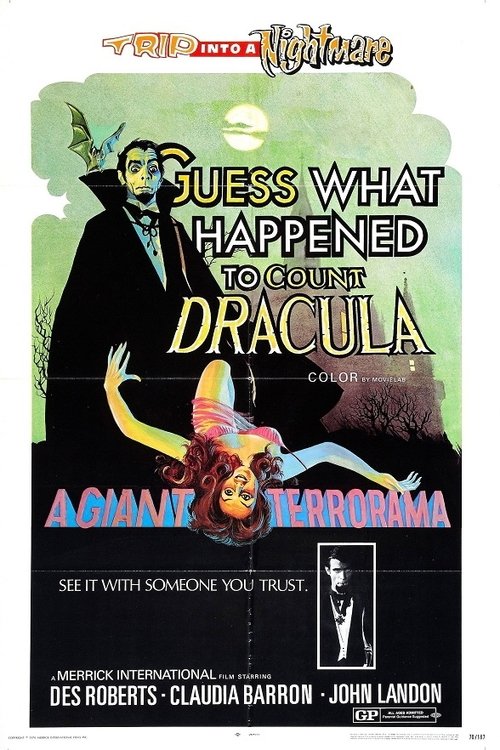
1971
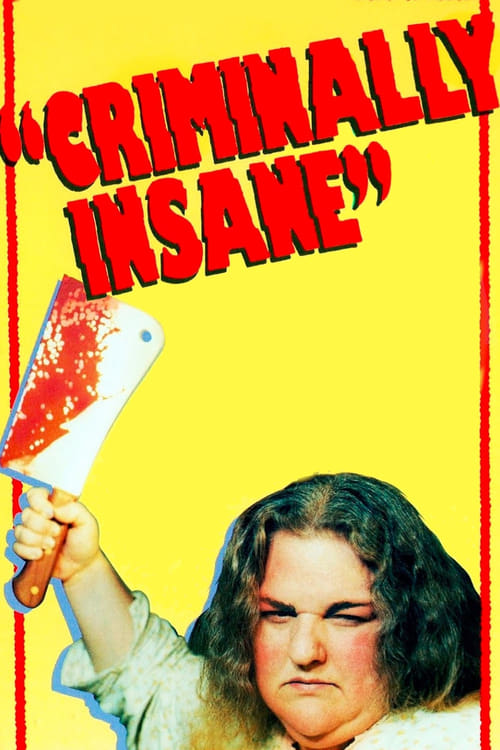
1975
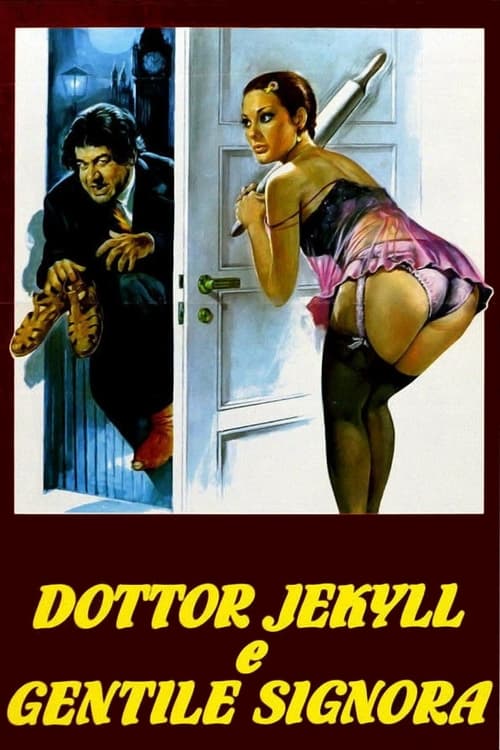
1979
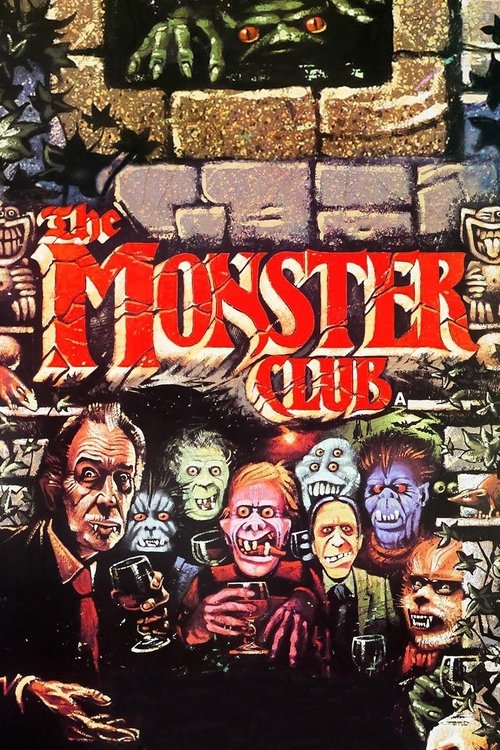
1981
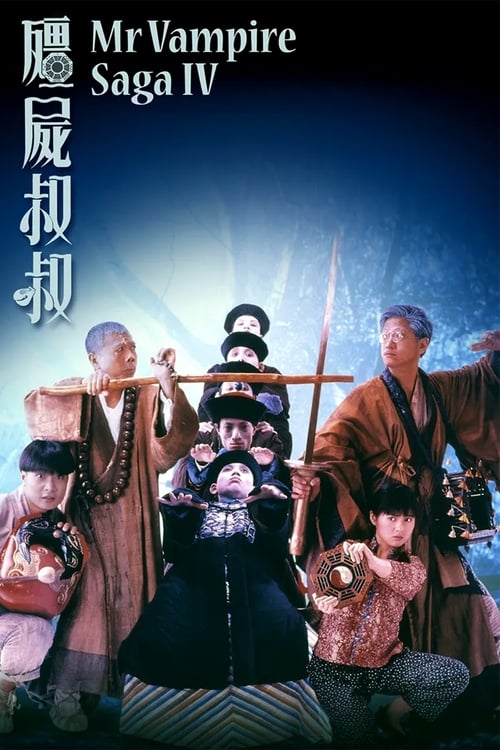
1988
No reviews yet. Be the first to share your thoughts on this movie!
Use the rating form above to leave a star rating and optional review.