
The Naked Island
1960
No user ratings available yet
Representation score: 5.5 out of 10

Representation Score
Excellent
1962
Director
Kaneto Shindō
Runtime
117 minutes
Average Rating
No ratings yetNew Showbiz Analysis
Kaneto Shindō’s *Human* is a powerful look at social erosion during post-war devastation. It stands out by providing a localized, non-Western perspective that avoids the typical Western viewpoint, offering a genuine insight into Japan's internal conflicts. The film effectively dismantles established hierarchies and imperialist structures. By focusing on the collapse of traditional systems, it offers a sophisticated critique of the power dynamics that contribute to systemic ruin. However, the film doesn’t include specific representations of LGBTQ+ identities and treats physical and mental vulnerabilities as signs of societal decay rather than exploring disability in depth.
Category Breakdown
The film doesn't show non-traditional gender identities or same-sex relationships. Instead, it focuses on survival and psychological well-being.
Women are shown as strong and resilient in a tough environment, rather than in traditional domestic roles. The film challenges the idea that women are passive by showing them actively navigating a world where traditional patriarchy has collapsed.
The film centers on a Japanese perspective with an authentic Japanese cast. It avoids the Western viewpoint by focusing on Japan's internal economic and social issues.
The story breaks down imperialist structures and traditional national identity. It highlights individuals' struggles against systemic ruin rather than preserving pre-war moral or legal norms.
Characters face severe physical and mental hardships due to starvation. However, these conditions serve as symbols of societal breakdown rather than detailed explorations of disability.
Present on Screen
Limited or Absent
Official Synopsis
The ship Kaijin Maru is left adrift after losing all means of navigation in a storm. The four people on the ship are becoming increasingly desperate as food and water run out.
1960
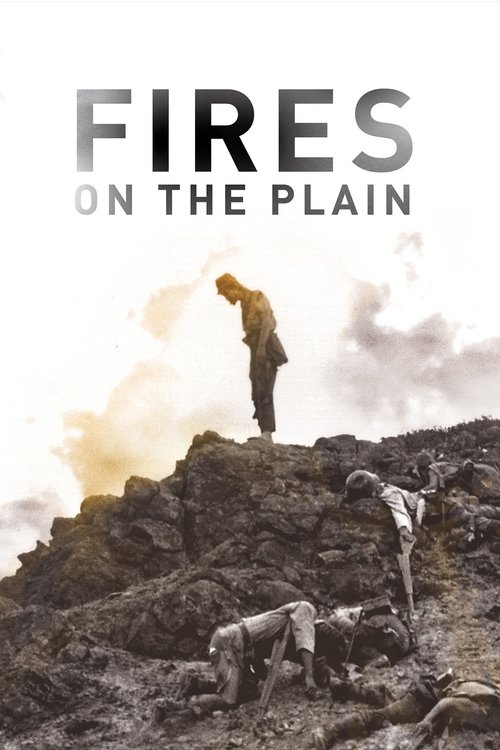
1959
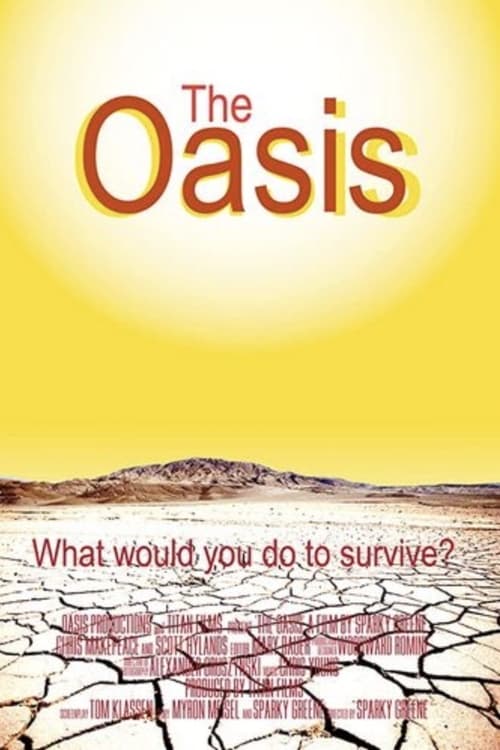
1984
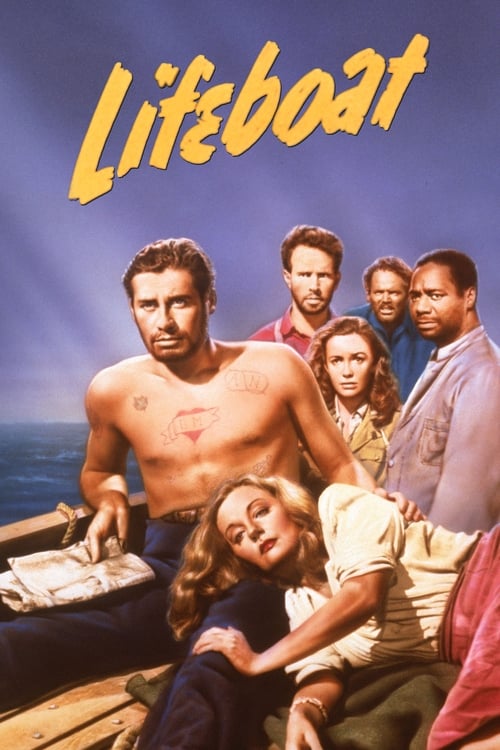
1944
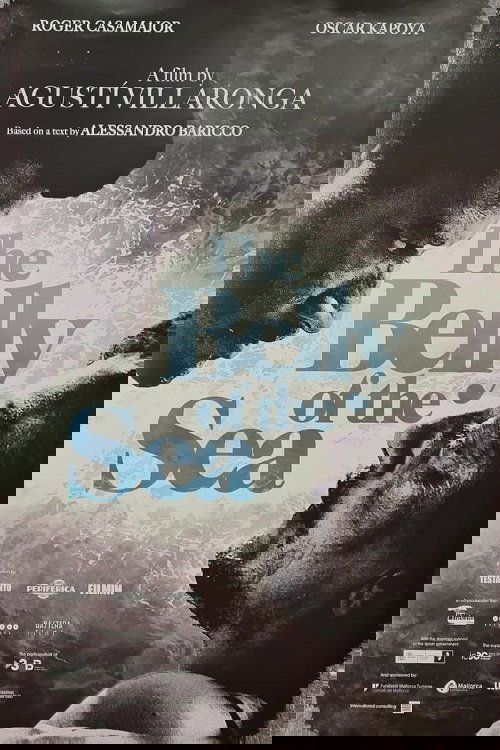
2021

1962
2000

2014
No reviews yet. Be the first to share your thoughts on this movie!
Use the rating form above to leave a star rating and optional review.