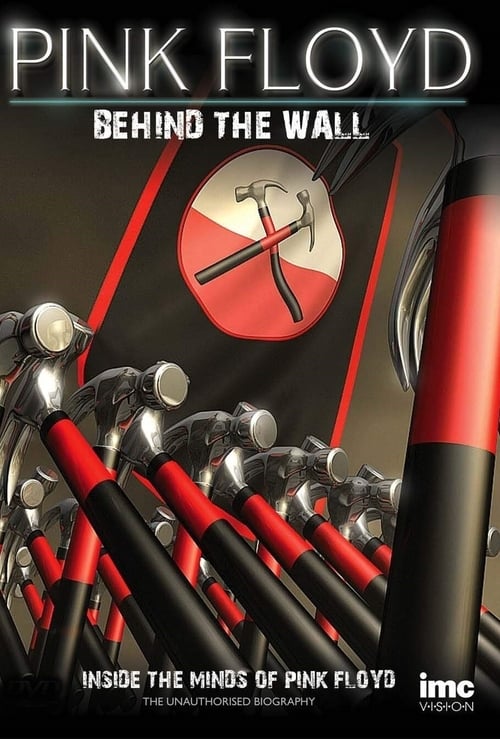
Pink Floyd: Behind the Wall
2011
No user ratings available yet
Representation score: 5.0 out of 10

Representation Score
Good
1982
Director
Barry Chattington
Runtime
26 minutes
Average Rating
No ratings yetNew Showbiz Analysis
The documentary serves as a historical record of a landmark creative collaboration. Its diversity profile is shaped more by its subject matter than by its cast or crew composition. While the film lacks representation of multiple aspects of identity, it gains strength through its thematic depth. It engages with the deconstruction of social hierarchies and the psychological impact of systemic oppression. Ultimately, the work reflects the industry norms of the early 1980s, presenting a largely homogeneous creative landscape while exploring profound concepts of alienation.
Category Breakdown
The documentary focuses on the technical and creative production process rather than on narrative queer identities. It lacks explicit character arcs or depictions of same-sex intimacy.
The film highlights the creative leadership of male figures such as Roger Waters and Alan Parker. It reflects the traditional patriarchal hierarchies common in 1982 film production environments.
The production centers on a specific British creative cohort. The visual landscape appears largely homogeneous, lacking documented evidence of significant racial blending or diverse casting.
The film excels by examining a project that critiques Western institutions and rigid social structures. It explores themes of moral relativism and the deconstruction of authority.
The documentary provides a window into the representation of mental health and psychological isolation. It explores the metaphors behind neurodivergence and invisible disabilities.
Present on Screen
Limited or Absent
Official Synopsis
A behind-the-scenes look at Roger Waters and Alan Parker’s 1982 film, “The Wall”
2011
1981
2007
2016
2003
2021
2012
2021
No reviews yet. Be the first to share your thoughts on this movie!
Use the rating form above to leave a star rating and optional review.