The Stone Roses: Made of Stone
2013
No user ratings available yet
Diversity score: 2.4 out of 10
2007
Director
Chris Rodley
Runtime
59 minutes
Average Rating
No ratings yetSynopsis
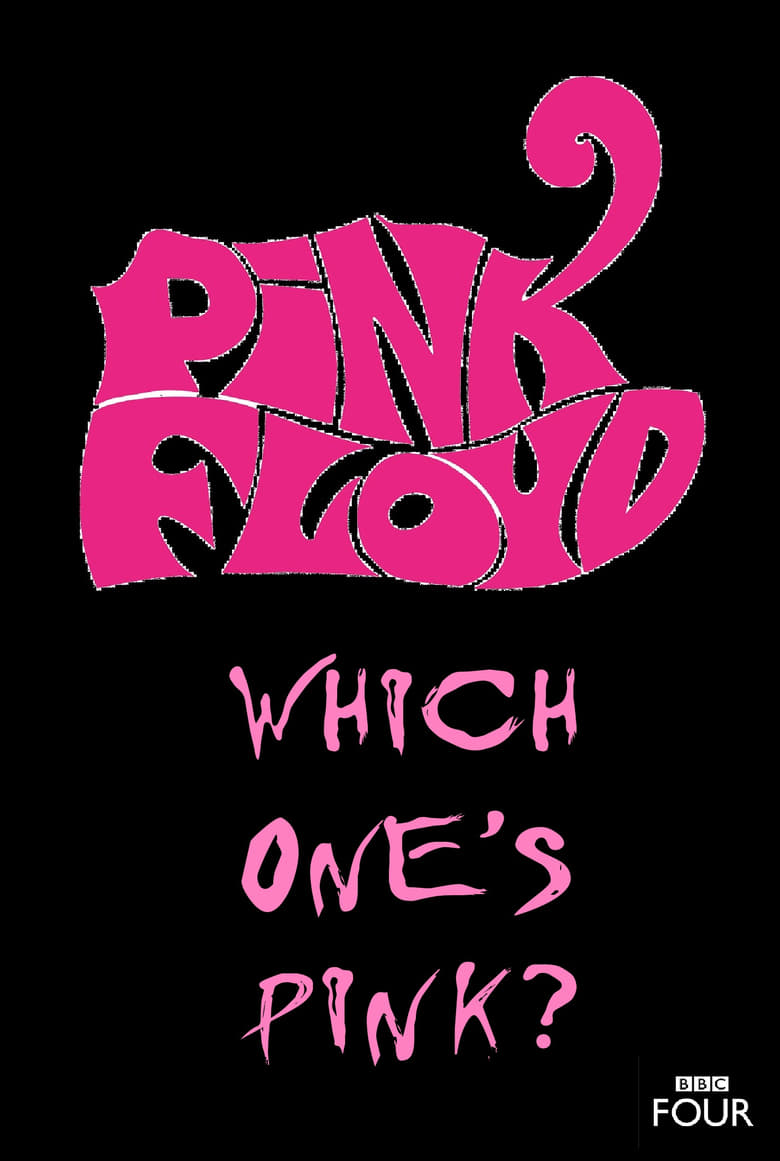
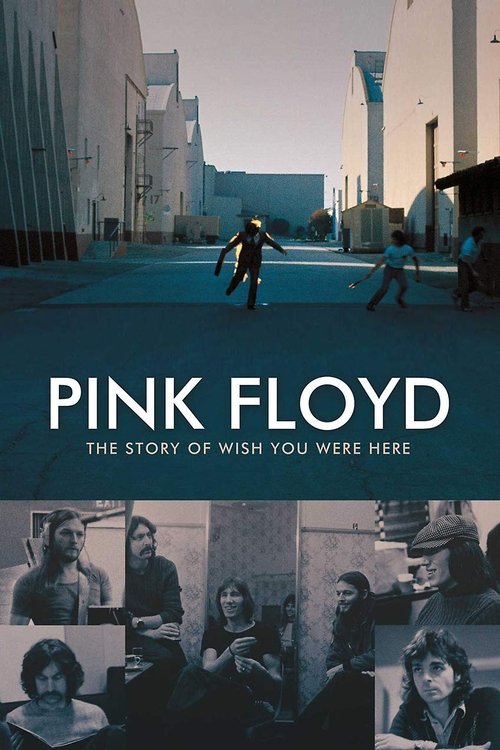
Forty years after Britain's foremost 'underground' band released their debut album, 'Piper At The Gates Of Dawn', Pink Floyd remain one of the biggest brand names and best-loved bands in the world. This film features extended archive footage alongside original interviews with David Gilmour, Roger Waters, Richard Wright and Nick Mason, and traces the journey of a band that has only ever had five members, three of whom have lead the band at different stages of its evolution. BBC Program
Overall Score
Limited
Category Breakdown
LGBTQ+ Representation
The film maintains a strictly biographical focus on the core male members. It does not center on LGBTQ+ identities or non-cisnormative narratives.
Gender Representation
The narrative is heavily centered on a male-led creative collective. It lacks significant female agency, focusing instead on the professional conflicts within the male group.
Racial & Ethnic Diversity
The subjects are largely homogeneous, reflecting the demographic realities of the UK underground scene. There is no evidence of intentional efforts to diversify the historical record.
Religious & Cultural Diversity
The documentary captures themes of anti-establishment sentiment and critiques of capitalism. It functions as a historical record of the band's progressive rock ethos.
Disability Representation
The film touches on the mental health struggles of members like Syd Barrett. These are presented as biographical tragedies rather than studies of neurodivergence.
Strengths
Areas for Improvement
AI Analysis
This documentary serves as a historical chronicle of Pink Floyd's evolution, focusing on the professional and interpersonal dynamics of its five members. Because the subject matter is tied to a specific mid-century British musical group, the demographic representation remains narrow and traditional. The film's strength lies in its exploration of cultural themes, such as anti-establishment sentiment and skepticism toward authority. However, it lacks intentionality regarding intersectional representation, resulting in a low score for gender, race, and LGBTQ+ identities. While the film addresses mental health through the lens of Syd Barrett's decline, it treats these issues as biographical milestones rather than exploring disability agency. Ultimately, the documentary prioritizes musical history over social diversity.
2013
2009
2013
2007
2005

2016

2020
2010
2012

2003
2007
2003
No reviews yet. Be the first to share your thoughts on this movie!
Use the rating form above to leave a star rating and optional review.