
Slava Ukraini
2023
No user ratings available yet
Representation score: 7.4 out of 10
Representation Score
Excellent
2022
Director
Maksym Lytvynov
Runtime
92 minutes
Average Rating
No ratings yetNew Showbiz Analysis
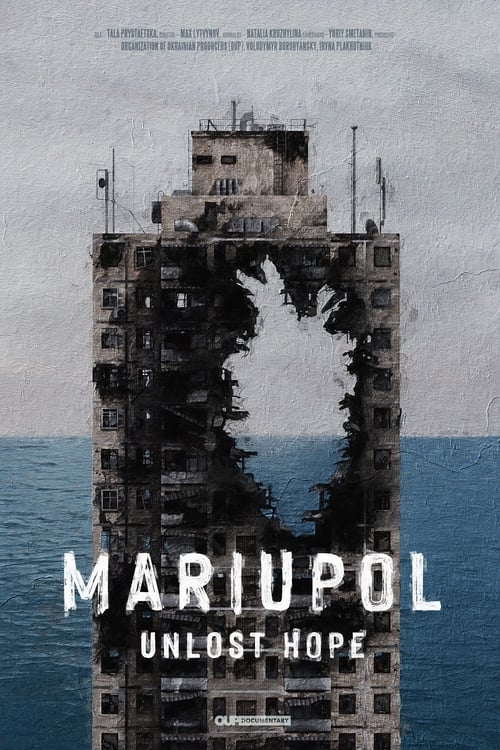
Mariupol. Unlost Hope serves as a historical testimonial that emphasizes individual civilian experiences. By using the personal diaries of Nadiya Sukhorukova, the documentary shifts focus from top-down political narratives to a decentralized view of human resilience. The film’s strength lies in its grassroots approach, which centers the observational perspective of a woman during a major geopolitical crisis. It prioritizes the voices of ordinary people over centralized military narratives. However, the film’s scope is limited to a specific localized conflict, resulting in a homogeneous demographic profile and a lack of representation for diverse identity-based narratives.
Category Breakdown
The film focuses on the survival of civilians during wartime. There is no specific depiction of LGBTQ+ identities or non-straight relationships.
The story is centered around the diaries of Nadiya Sukhorukova, a female journalist. This shifts the focus away from traditional male-centric war narratives.
The film documents a specific Ukrainian ethnic and national struggle. The cast appears largely uniform within the context of this localized conflict.
The film highlights the struggle of individuals against systemic military forces. It prioritizes personal experiences and subjective morality over state propaganda.
While war implies physical trauma, there is no specific depiction of disability as a central narrative element.
Present on Screen
Limited or Absent
Official Synopsis
A testimony to the Russian-Ukrainian war by ordinary people who lived in Mariupol during the first month of the invasion. The film is based on the diaries of Mariupol journalist Nadiya Sukhorukova: she wrote down what she saw around her at that time.
2023
2018
2023
2018
2022
2023
2022
2015
No reviews yet. Be the first to share your thoughts on this movie!
Use the rating form above to leave a star rating and optional review.