The Three Musketeers
1939
No user ratings available yet
Representation score: 1.6 out of 10

Representation Score
Fair
1994
RDirector
Bertrand Tavernier
Runtime
125 minutes
Average Rating
No ratings yetNew Showbiz Analysis
Bertrand Tavernier’s film challenges the traditional swashbuckler genre by shifting the focus from masculine military prowess to a female protagonist. The daughter of D'Artagnan drives the plot, disrupting the era's typical gender hierarchies. Despite the lack of racial and LGBTQ+ diversity, the film provides a sophisticated critique of institutional power. It moves away from simplistic moral binaries, instead exploring the tension between individual conscience and the corruptive influence of the Crown. Ultimately, the film's strength lies in its narrative deconstruction of historical mythologies, while maintaining a demographic profile consistent with its 17th-century setting.
Category Breakdown
The film does not include any LGBTQ+ characters or stories. It stays within the traditional social frameworks of 17th-century France without highlighting diverse sexual orientations or gender identities.
The film breaks away from typical swashbuckler clichés by focusing on a female protagonist. By making D'Artagnan's daughter the main character, the film gives her a significant role in driving the plot, challenging traditional gender roles.
The cast is predominantly made up of white actors, reflecting the social constraints of 1654 France. Although a runaway slave introduces themes of racial tension, there is no indication of intentional demographic diversity.
The film criticizes the absolute monarchy and the corrupt nature of statecraft. It shifts away from clear-cut heroism to moral relativism, questioning the authority of traditional Western institutions.
There are no characters with visible or invisible disabilities in the film. No such characters appear to serve as narrative devices within the story.
Present on Screen
Limited or Absent
Official Synopsis
It is 1654, in the South of France. When horsemen follow a runaway slave into the convent where he's taken sanctuary and kill both the fugitive and the Mother Superior, they little realise that one of the novices is the spirited daughter of retired musketeer D'Artagnan.
1939
1964
1962
1997
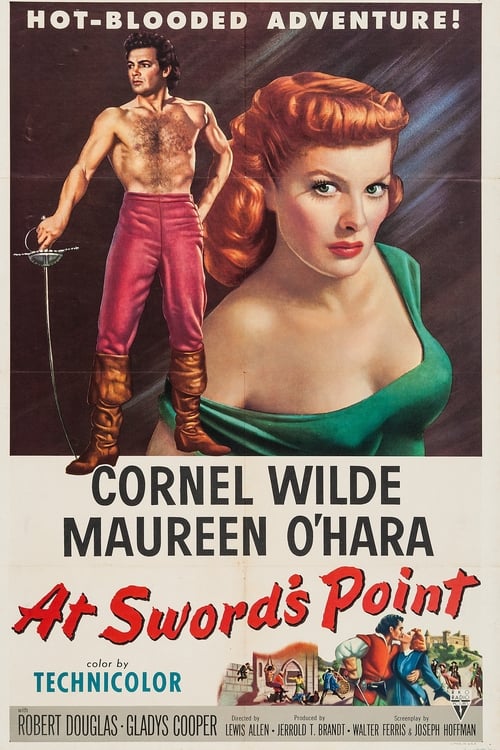
1952
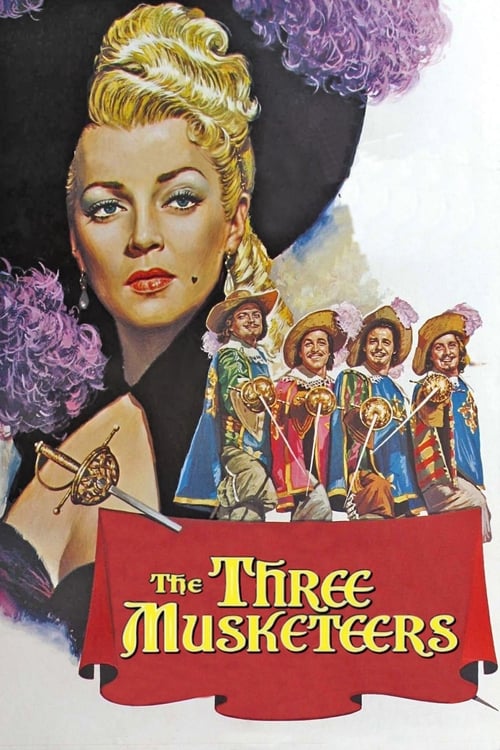
1948
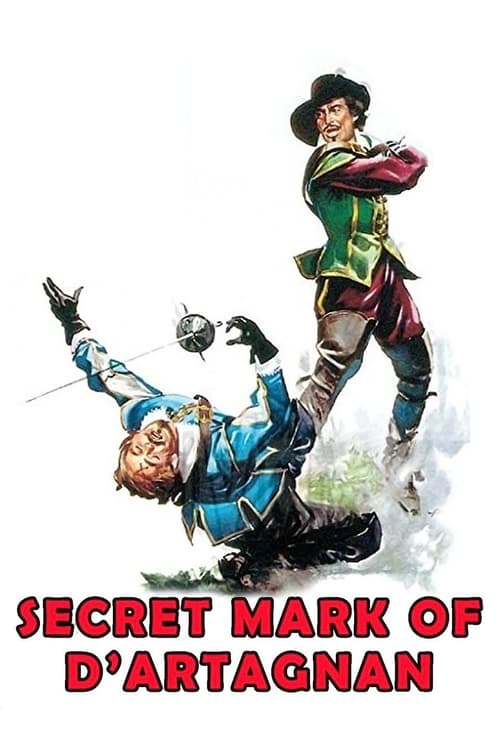
1962
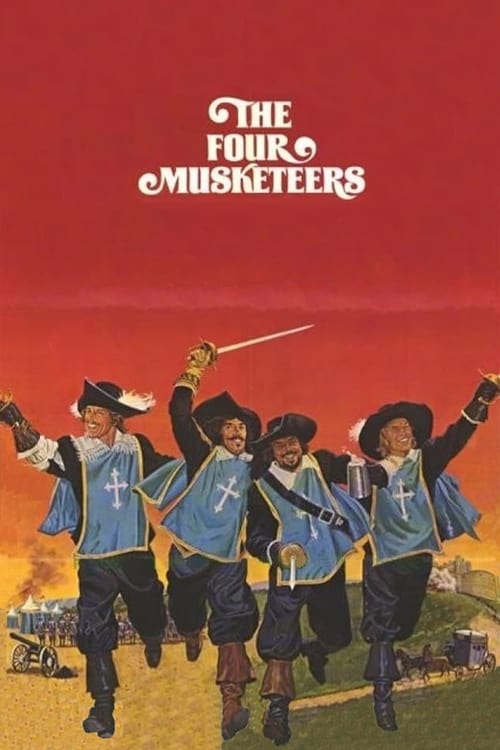
1974
No reviews yet. Be the first to share your thoughts on this movie!
Use the rating form above to leave a star rating and optional review.