
She Devils of the SS
1973
No user ratings available yet
Representation score: 4.1 out of 10
Representation Score
Fair
1976
NC-17Director
Tinto Brass
Runtime
130 minutes
Average Rating
No ratings yetNew Showbiz Analysis
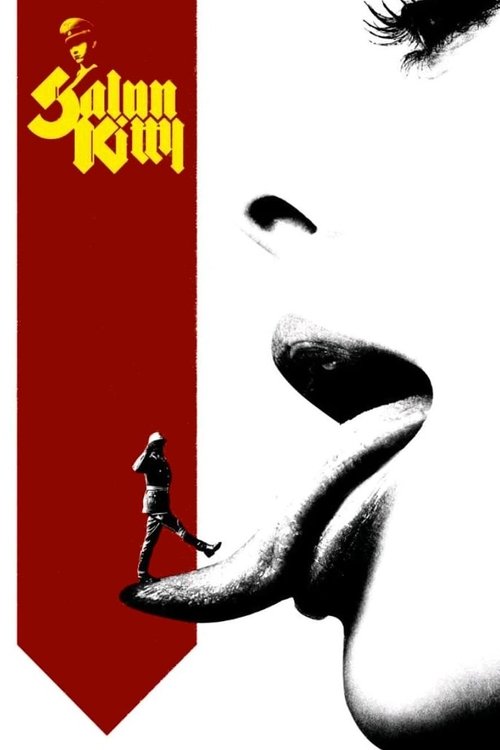
Salon Kitty deviates from traditional wartime narratives by focusing on sex workers navigating espionage and political blackmail. It replaces conventional heroics with a study of survival and tactical ability to act. The film's strength lies in its deconstruction of institutional power and its portrayal of women as intelligent political actors rather than passive victims. However, the historical context of Nazi Germany inherently limits racial diversity and keeps the narrative tied to the era's systemic exclusions. While the film critiques the corruption of nationalist ideals, the exploration of sexuality remains largely transactional and lacks explicit queer-coded representation. Ultimately, the film succeeds as a critique of systemic corruption and gendered power dynamics, even while operating within a restrictive historical framework.
Category Breakdown
The film emphasizes voyeurism and the transactional nature of intimate relationships. It does not prominently feature romantic arcs or diverse gender identities as key plot elements.
Women play central roles as agents of intelligence and political manipulation. They use their underrepresented status to infiltrate and destabilize the male-dominated Nazi hierarchy.
The film reflects the rigid racial hierarchies of Nazi Germany. Due to the historical setting, there is limited diversity in the cast.
The film provides a critical look at Western political authority and state institutions. It portrays the regime's supposed purity as a facade for sexual and political decadence.
There are no significant depictions of physical or neurodivergent disabilities that serve as central narrative elements.
Present on Screen
Limited or Absent
Official Synopsis
In Nazi Germany, Kitty runs a brothel where the soldiers come to 'relax'. Recording devices have been installed by a power-hungry official who plans to use the information to blackmail and usurp Hitler. One of the girls discovers the ploy and, with the madam's help, takes on the dangerous task of exposing the conspiracy.
1973

1974

1977

1975
1960
1992

1965
1977
No reviews yet. Be the first to share your thoughts on this movie!
Use the rating form above to leave a star rating and optional review.