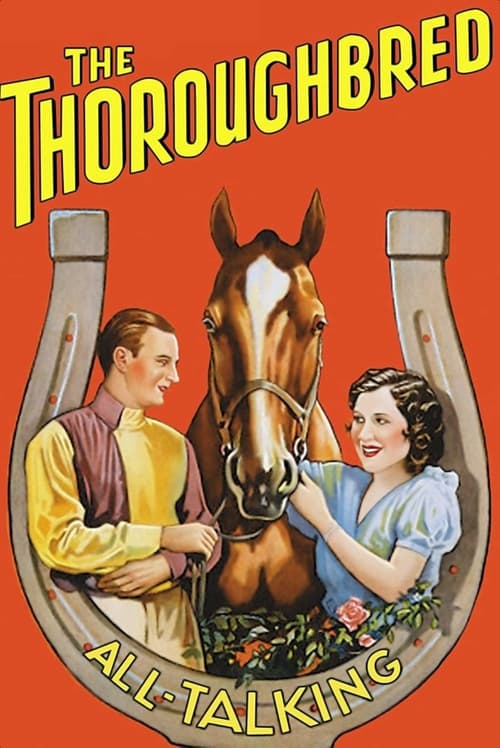
The Thoroughbred
1930
No user ratings available yet
Representation score: 1.3 out of 10
Representation Score
Minimal
1938
ApprovedDirector
Frank McDonald
Runtime
65 minutes
Average Rating
No ratings yetNew Showbiz Analysis
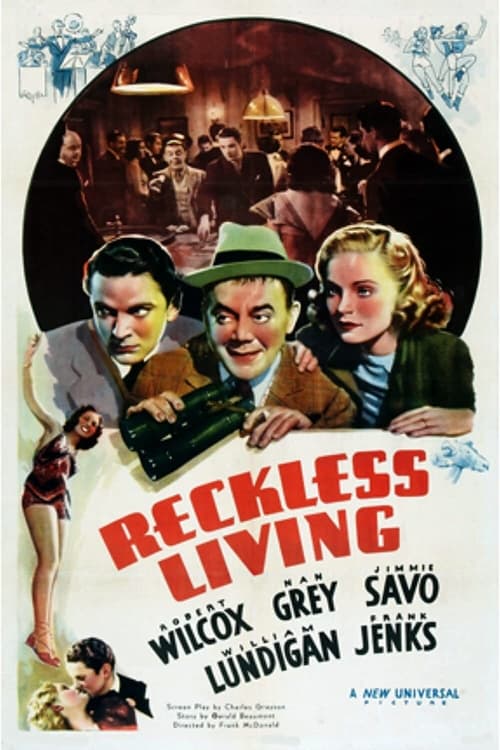
Reckless Living is a classic studio-era musical comedy that prioritizes escapism over social commentary. The film follows a restorative narrative arc where a get-rich-quick scheme resolves all conflicts, reinstating a traditional social order. The production relies heavily on established clichés, such as the mismatched lovers archetype, to drive its plot. This approach reinforces the era's standard romantic and gender hierarchies rather than challenging them. Ultimately, the film offers a cohesive but highly traditional viewing experience.
Category Breakdown
The film follows traditional romantic conventions of the 1930s and doesn't include any non-straight or non-cisgender identities.
The story uses the 'mismatched lovers' cliché common in the era. While Nan Grey is a key character, the traditional gender roles are reinforced.
The cast reflects the homogeneous casting standards of the late 1930s, presenting a traditional, white-dominated Western setting.
The plot centers on individualistic capitalist themes like get-rich-quick schemes, functioning as a harmless escapist comedy without critiquing social institutions.
The film does not feature any characters with visible or invisible disabilities, focusing solely on horse racing and romantic comedic conflict.
Present on Screen
Limited or Absent
Official Synopsis
This harmless Universal musical comedy is worth having as one of the few filmed records of legendary Broadway comedian Jimmy Savo (his previous starrer, Once in a Blue Moon, is among the rarest of collector's item). The story proper is carried by Robert Wilcox and Nan Grey, cast as a pair of mismatched lovers who share a common interest in horse racing. Hero and heroine get mixed up in a shady get-rich-quick scheme, which threatens to turns disastrous but which ends up solving everyone's problems.
1930
1937
1938
1939
1929
1929

1945
1935
No reviews yet. Be the first to share your thoughts on this movie!
Use the rating form above to leave a star rating and optional review.