The Story of Seabiscuit
1949
No user ratings available yet
Representation score: 1.6 out of 10
Representation Score
Minimal
1925
NRDirector
John Ford
Runtime
86 minutes
Average Rating
No ratings yetNew Showbiz Analysis
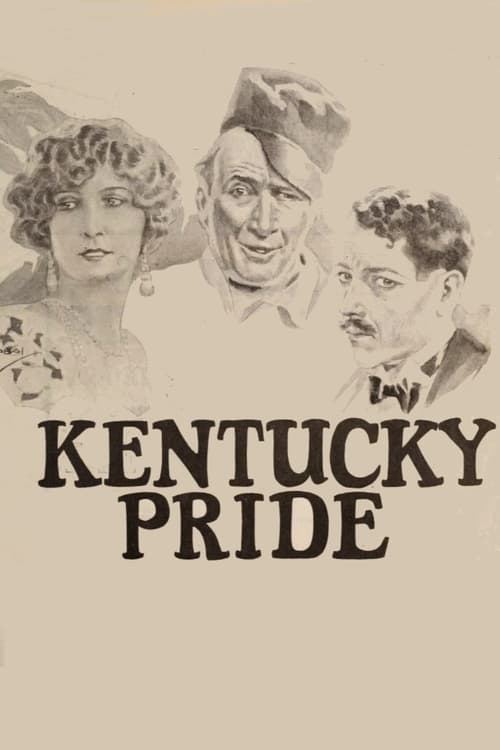
Kentucky Pride is a classic period piece that reinforces the social, racial, and gender hierarchies of its time. The film emphasizes sentimentality and established class structures, prioritizing a traditional narrative over disrupting systemic norms. The story centers on the Kentucky Bluegrass aristocracy, presenting a homogeneous and Anglo-centric view of the horse-breeding class. This narrow focus on a single racial and cultural perspective keeps the film within the status quo of the 1920s. Gender roles remain traditional, with female characters' actions driven by social standing and romantic interests. The film upholds traditional Western values and regional customs without offering much subversion.
Category Breakdown
The film strictly follows the social structures of the 1920s, where everyone is assumed to be straight and cisgender. There is no indication of diverse gender identities or same-sex relationships.
The film follows traditional gender roles. The female lead plays a central role in the romantic storyline, but her actions are driven by social standing and family expectations.
The story presents a uniform social environment centered around the Kentucky Bluegrass aristocracy. It focuses on a singular, Anglo-centric depiction of the horse-breeding class.
The narrative celebrates traditional agrarian and aristocratic social structures. It upholds Western ideals of class prestige and regional customs without challenging them.
There is no evidence of characters with visible or invisible disabilities being used as central plot devices or portrayed with specific influence.
Present on Screen
Limited or Absent
Official Synopsis
This rare John Ford silent is a charming, sweetly sentimental tale of the relationship between humans and animals told largely from the point of view of a racehorse who observes as her breeder (Henry B. Walthall) is forced to sell her when he loses everything in a poker game. Several of the era’s most famous racehorses make appearances, including the legendary champion thoroughbred Man o’ War.
1949
1945
1929
1994
1926

2020
1937
2005
No reviews yet. Be the first to share your thoughts on this movie!
Use the rating form above to leave a star rating and optional review.