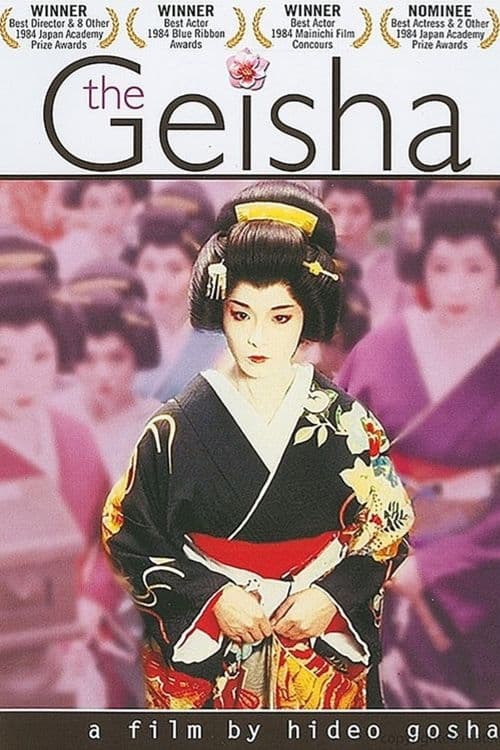
The Geisha
1983
No user ratings available yet
Representation score: 5.9 out of 10
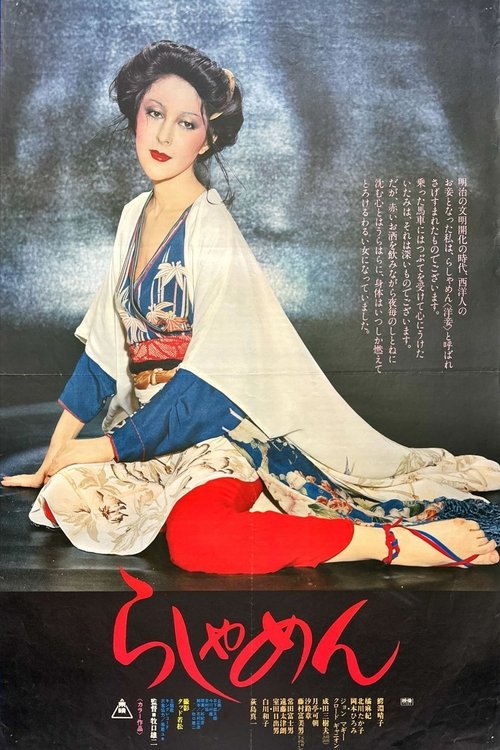
Representation Score
Limited
1977
Director
Yuji Makiguchi
Runtime
74 minutes
Average Rating
No ratings yetNew Showbiz Analysis
The film serves as a historical exploration of cultural and gender-based tensions. It delves into the interplay between Japanese domestic life and Western diplomatic engagement during a pivotal time. While the storyline touches on post-colonial themes and power dynamics, it lacks concrete examples of character empowerment. The emphasis remains on the protagonist's situational constraints. Overall, the work falls in a moderate range of inclusivity. It highlights cross-cultural interactions but fails to provide the depth of representation needed for a higher score.
Category Breakdown
The film does not include any characters with non-straight sexual orientations or non-cisgender identities. There are no stories that question the assumption that everyone is straight or cisgender.
The story focuses on a female protagonist facing systemic challenges. It is unclear whether she has the power to change the patriarchal system she is part of.
The narrative involves Japanese and American cultural identities. This blend suggests a focus on the lasting effects of historical colonization and cross-cultural integration.
Set in 1873 Japan, the story critiques traditional societal structures. It examines the impact of Western influence on local customs and traditions.
There is no mention of characters with visible or invisible disabilities. No representation of individuals with disabilities is present.
Present on Screen
Limited or Absent
Official Synopsis
In the year 1873, a Japanese woman is sold as a mistress to an American diplomat stationed in Japan.
1983
1952
1986

1956
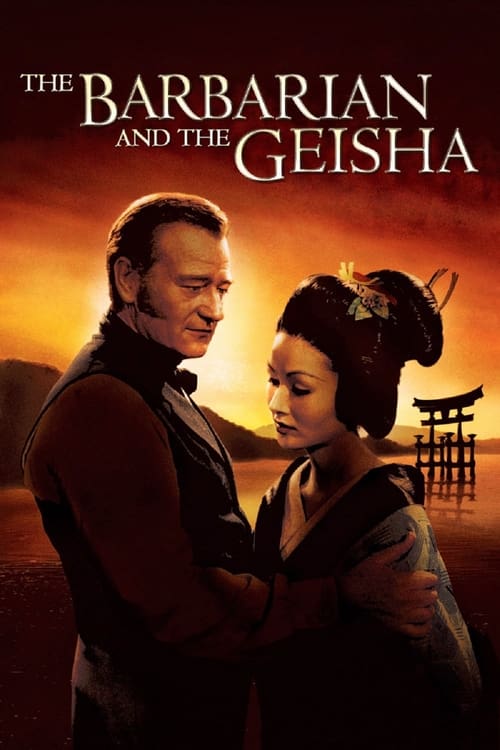
1958

2014

1987
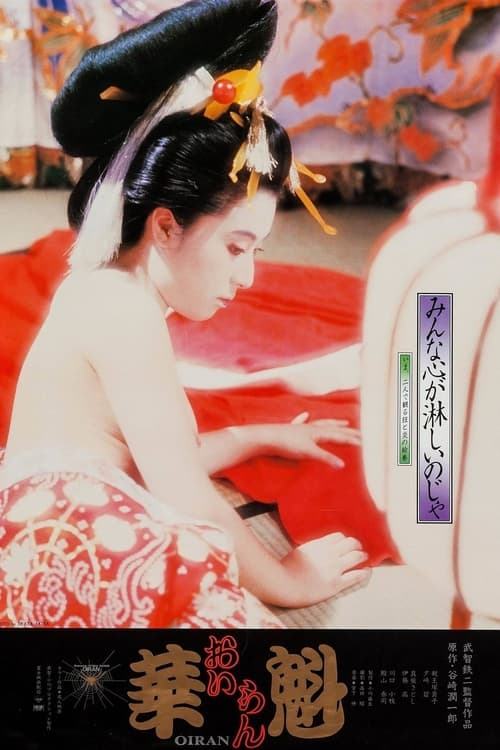
1983
No reviews yet. Be the first to share your thoughts on this movie!
Use the rating form above to leave a star rating and optional review.