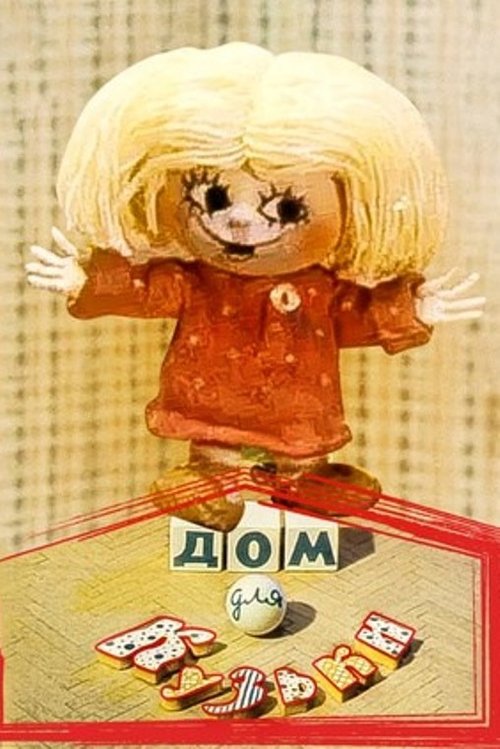
A House for Kuzka
1984
No user ratings available yet
Representation score: 3.8 out of 10
Representation Score
Limited
1958
Director
Yevgeni Raykovskiy, Boris Stepantsev
Runtime
20 minutes
Average Rating
No ratings yetNew Showbiz Analysis
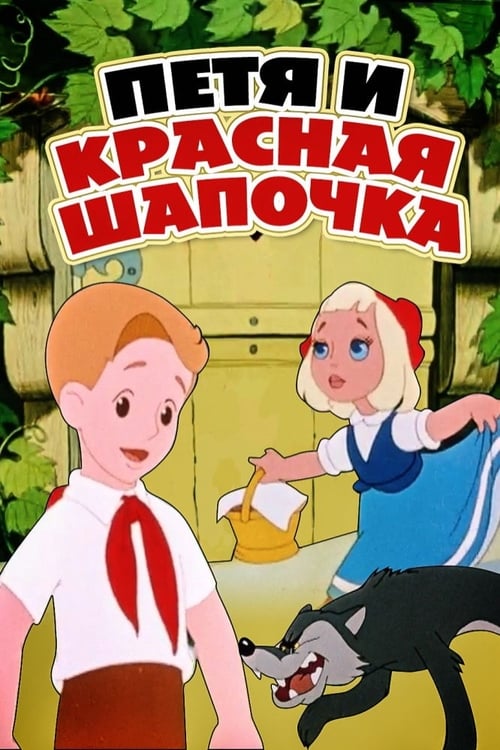
This 1958 Soviet animation is a classic folkloric adaptation. It emphasizes established archetypes and moral lessons while avoiding modern diversity markers. The film's structure is rooted in mid-20th-century cultural frameworks, focusing on a boy's role within a traditional fairy-tale setting. While it offers a narrative of communal triumph, it lacks contemporary diversity elements.
Category Breakdown
The film does not depict any non-straight relationships or gender identities. It follows a traditional fairy-tale structure focused on a boy and a female lead.
The story features a traditional protector and protected dynamic. Petia rescues the female lead, reinforcing classic gender roles.
The animation has a homogeneous look consistent with European folklore. There is no evidence of racial diversity or a blend of different races.
The narrative highlights collective morality and communal well-being. It portrays the triumph of a common hero over predatory forces.
There is no indication of characters with physical or neurodivergent disabilities in this production.
Present on Screen
Limited or Absent
Official Synopsis
A boy finds his way into the Little Red Riding Hood cartoon in order to save the girl from the Big Bad Wolf.
1984

1957
1952

1965
1955
1949
1970
1973
No reviews yet. Be the first to share your thoughts on this movie!
Use the rating form above to leave a star rating and optional review.