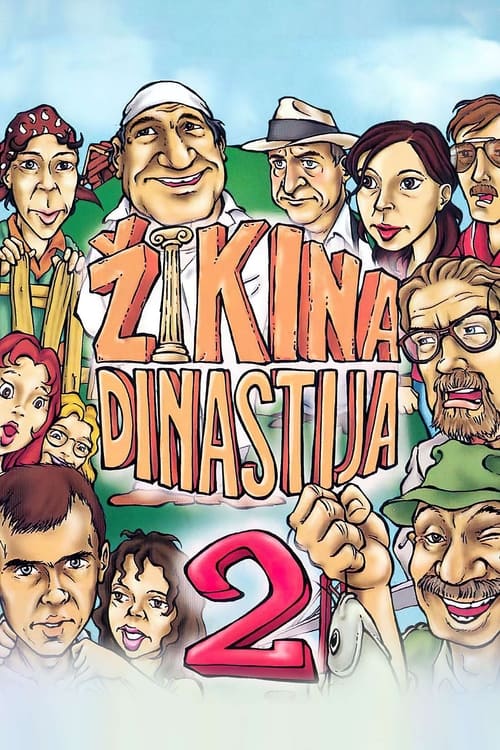
Second Žika's Dynasty
1986
No user ratings available yet
Representation score: 2.6 out of 10
Representation Score
Fair
1981
Director
Zoran Čalić
Runtime
90 minutes
Average Rating
No ratings yetNew Showbiz Analysis
The film operates within a traditional comedic framework, primarily driven by romantic interests and generational conflict. While it lacks significant LGBTQ+ or disability representation, it offers moderate depth through its setting and international elements. The narrative uses a summer camp environment to explore the shift from rigid parental authority to more fluid youth social interactions, providing a subtle critique of conservative social models. Cultural variety is introduced via foreign characters, adding ethnic and national diversity to the Yugoslavian context.
Category Breakdown
The film centers on traditional romance and flirtation, with no LGBTQ+ characters or narratives that challenge the assumption that everyone is straight or cisgender.
It examines gender roles across generations, highlighting the tension between young people's autonomy and parental authority through romantic pursuits.
The inclusion of German characters Elza and Giza adds international variety, preventing the story from being purely domestic.
Set in a voluntary youth camp, the film reflects socialist-era collective social structures while exploring the friction between individual desires and institutional authority.
There is no mention of characters with visible or invisible disabilities in the narrative.
Present on Screen
Limited or Absent
Official Synopsis
Mary and Bob continuing his love spend the summer in the voluntary youth but their parents affect the foolish. The peak occurs when the life Zika, after a brief flirtation with Marys mother implicate two German girls Elza and Giza.
1986
1985
1985
1964
1978
1984
1972
1980
No reviews yet. Be the first to share your thoughts on this movie!
Use the rating form above to leave a star rating and optional review.