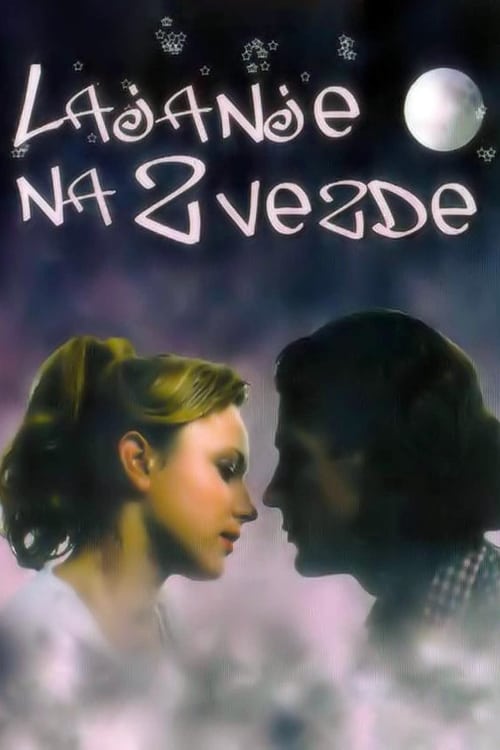
Barking at the Stars
1998
No user ratings available yet
Representation score: 2.5 out of 10
Representation Score
Fair
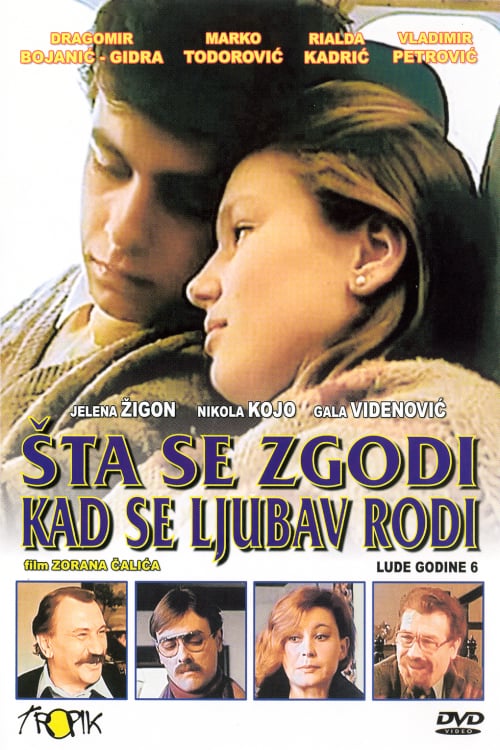
1984
Director
Zoran Čalić
Runtime
73 minutes
Average Rating
No ratings yetNew Showbiz Analysis
The film functions as a traditional romantic comedy centered on a cross-border connection. Its primary strength lies in its intercultural engagement, which extends beyond a localized social sphere to include Russian influences and linguistic efforts. However, the film adheres to conventional gender roles and lacks diverse representation. The ability to act for resolving the central conflict is primarily held by male characters, and the narrative does not include LGBTQ+ identities or characters with disabilities. Ultimately, while it offers a subtle critique of traditionalist family hierarchies, it remains a straightforward romance without modern diversity complexities.
Category Breakdown
The film centers on a heterosexual relationship between Misa and Natasha. There are no visible representations of LGBTQ+ identities or non-traditional gender expressions.
Natasha plays a key role in driving the plot, but the main actions are taken by male characters. Zika’s decision to learn Russian follows traditional romantic patterns.
The story highlights intercultural engagement through a relationship between a local protagonist and a Russian national. This connection challenges the idea of a purely homogeneous social environment.
The narrative explores the tension between parental authority and youthful autonomy. It subtly critiques rigid social structures by prioritizing personal connection over strict familial dictates.
There is no mention of characters with visible or invisible disabilities within the film's provided context.
Present on Screen
Limited or Absent
Official Synopsis
Misa in the music school falls in love with a young Russian girl Natasha, who was then located in Belgrade. But their parents think that they are too young for love. Natasha's parents do not allow that connection, so they go back to Moscow. Unlike parents who want to end their relationship Zika and Milan are on their side. Zika begins to learn the Russian language.
1998
1962
1986
1984
1982

2012

1977
2013
No reviews yet. Be the first to share your thoughts on this movie!
Use the rating form above to leave a star rating and optional review.