Eastern Sugar
2004
No user ratings available yet
Representation score: 3.5 out of 10
Representation Score
Limited
1980
Director
Herrmann Zschoche
Runtime
90 minutes
Average Rating
No ratings yetNew Showbiz Analysis
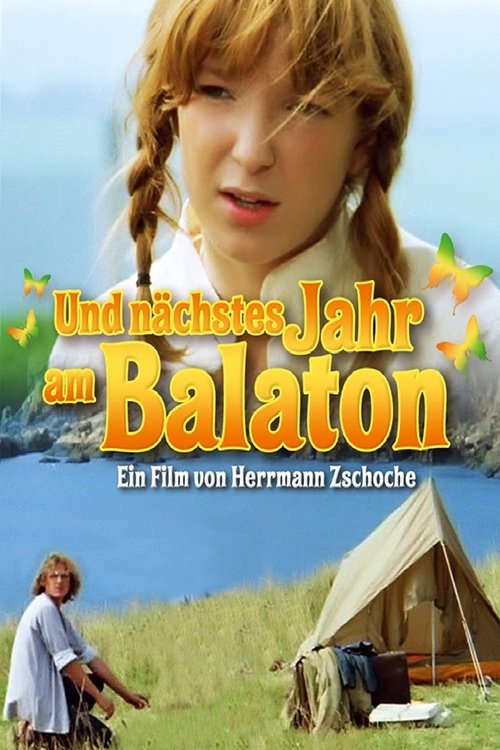
Next Year at Lake Balaton serves as a cultural artifact of the German Democratic Republic, reflecting the social constraints of 1980s socialist cinema. The story prioritizes collective identity and conventional romantic development over subversive narratives. The film's homogeneity is a product of its era and setting, focusing on the shared experiences of the Eastern Bloc. While it avoids Western capitalist ideals, it does so by adhering to established social norms rather than challenging them. Ultimately, the work lacks significant diversity, functioning more as a study of youth social dynamics within a specific geopolitical landscape than a vehicle for representation.
Category Breakdown
The film follows traditional heterosexual romantic structures, focusing on the relationship between Jonas and Ines without exploring non-traditional gender identities.
The plot relies on conventional romantic clichés and parental intervention. It explores youth social hierarchies but does not challenge traditional gender roles or unconventional masculinity.
The narrative remains largely homogeneous, focusing on the socialist youth of the Eastern Bloc. A Dutch girl's inclusion provides minor cross-border interaction but lacks significant ethnic blending.
The film is set within a socialist framework, emphasizing communal travel and shared Eastern Bloc experiences. It functions as a standard coming-of-age drama within its specific geopolitical context.
There are no visible or invisible disabilities portrayed in the narrative. Characters with disabilities are not used as plot devices within the story.
Present on Screen
Limited or Absent
Official Synopsis
Jonas and Ines are in love and want to spend their vacation together camping on the Baltic coast. But Ines’s narrow-minded parents intervene and insist that the young couple joins the family vacation. Problems arise, so everyone ends up traveling to the Bulgarian Black Sea on their own. Along the way, Jonas meets a beautiful Dutch girl who is going to India via Turkey…
2004

1965

2002
2005

1990

1996

1978

2020
No reviews yet. Be the first to share your thoughts on this movie!
Use the rating form above to leave a star rating and optional review.