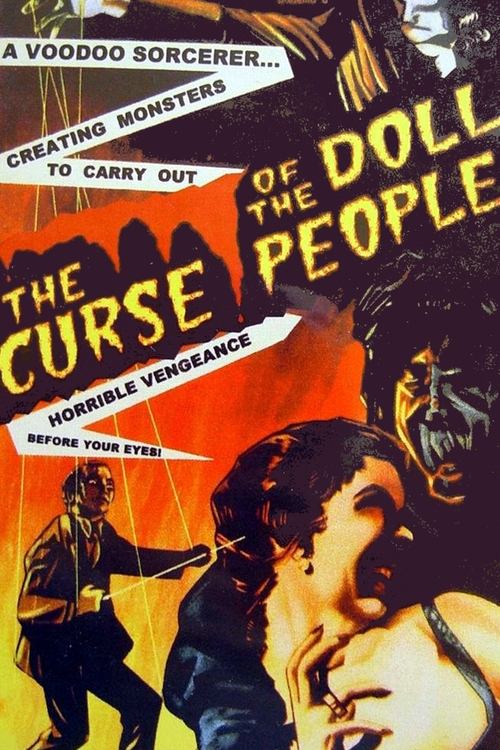
The Curse of the Doll People
1961
No user ratings available yet
Diversity score: 3.2 out of 10

1979
Director
Sergio Martino
Runtime
88 minutes
Average Rating
No ratings yetSynopsis
Tourists on a tropical island anger an island god, who turns himself into a giant alligator and stalks them.
Overall Score
Limited
Category Breakdown
LGBTQ+ Representation
The film lacks evidence of queer narratives or non-cisnormative identities. It adheres to the heteronormative social structures typical of 1970s exploitation cinema.
Gender Representation
Female characters appear to occupy roles defined by vulnerability to the creature. The film does not subvert traditional gender hierarchies or deconstruct masculinity.
Racial & Ethnic Diversity
The tropical setting suggests potential for diversity, but the narrative leans toward Western protagonists in an exotic landscape. It follows traditional colonialist tropes common to the era.
Religious & Cultural Diversity
The 'angry island god' motif introduces non-Western spirituality through a lens of otherness. The story prioritizes survival over nuanced exploration of systemic themes.
Disability Representation
There is no documented evidence of characters with visible or invisible disabilities in this work.
Strengths
Areas for Improvement
AI Analysis
The Great Alligator is a product of its era, functioning as a standard creature feature that prioritizes visceral suspense over social complexity. The narrative relies on established genre tropes that favor Western-centric perspectives and traditional character roles. While the film utilizes tropical mysticism to drive its plot, it does so through a lens of exoticism rather than meaningful cultural engagement. The focus remains squarely on the survival of the protagonists against a central threat. Ultimately, the film reflects the conventional cinematic standards of 1979. It does not attempt to challenge social hierarchies or provide intersectional representation, opting instead for the familiar rhythms of Italian exploitation horror.
1961
1984

1980

1973

1979
2000
1987

1975
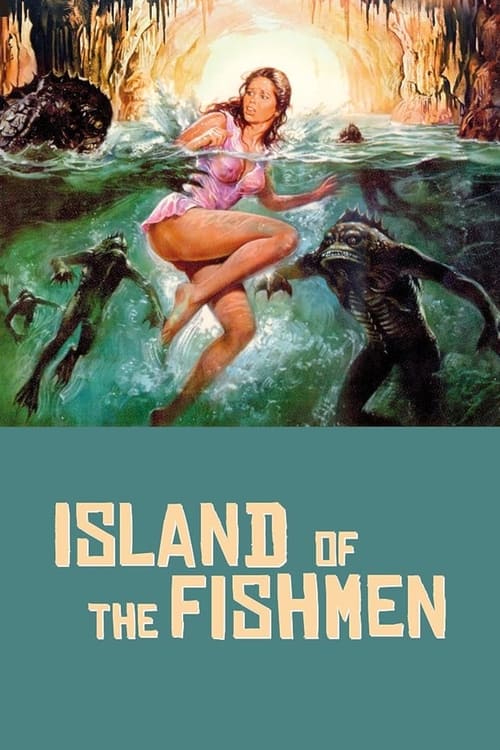
1979
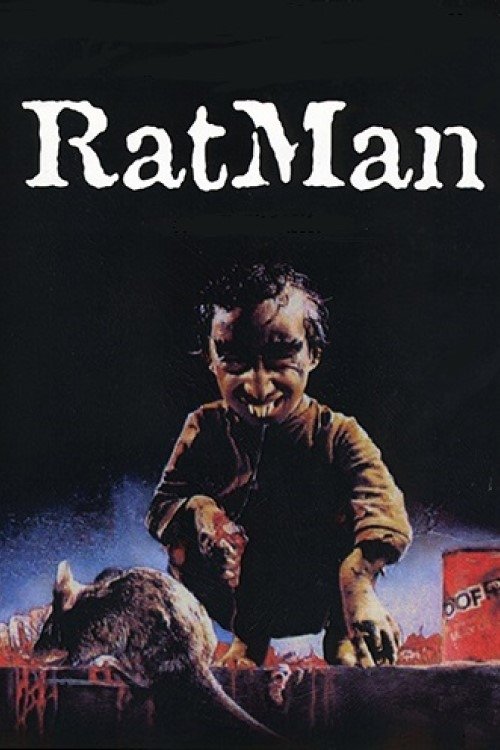
1988

1999

1971
No reviews yet. Be the first to share your thoughts on this movie!
Use the rating form above to leave a star rating and optional review.