
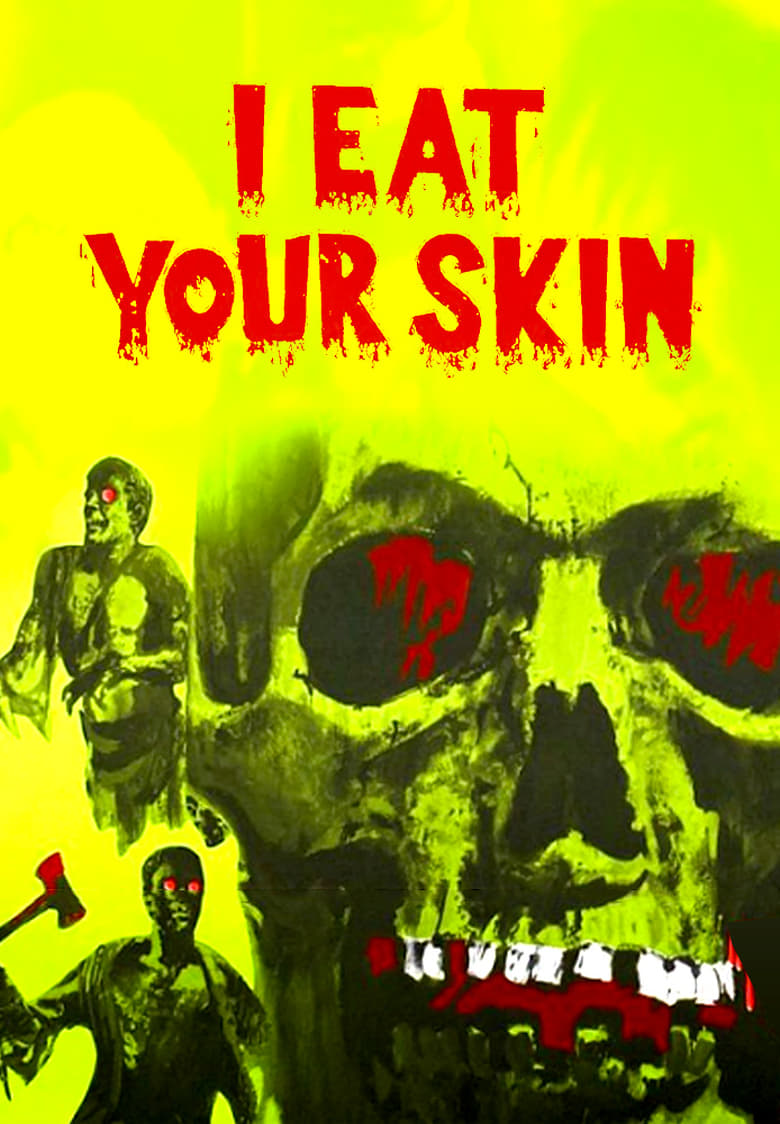
The Deadly Organ
1967
No user ratings available yet
Diversity score: 2.8 out of 10
1971
RDirector
Del Tenney
Runtime
84 minutes
Average Rating
No ratings yetSynopsis
A cancer researcher on a remote Caribbean island discovers that by treating the natives with snake venom he can turn them into bug-eyed zombies. Uninterested in this information, the unfortunate man is forced by his evil employer to create an army of the creatures in order to conquer the world.
Overall Score
Limited
Category Breakdown
LGBTQ+ Representation
The film lacks LGBTQ+ characters or non-cisnormative identities. It adheres to the conventional social structures typical of early 1970s genre cinema.
Gender Representation
The narrative centers on male-dominated archetypes like the adventure novelist and researcher. Agency is positioned within a traditional masculine hierarchy without subverting gender roles.
Racial & Ethnic Diversity
While set in the Caribbean, the story risks using indigenous tribes-people as plot devices. The Western researcher's experiments on locals lean toward colonialist tropes.
Religious & Cultural Diversity
Voodoo themes are presented through a Western expeditionary lens. Local spiritual practices serve primarily as a source of horror rather than a nuanced cultural exploration.
Disability Representation
The zombie transformation functions as a biological horror trope rather than a meaningful exploration of disability. Characters lack agency outside of a monstrous context.
Strengths
Areas for Improvement
AI Analysis
I Eat Your Skin is a product of its era, functioning as a traditional horror piece that relies heavily on established genre tropes. The narrative structure prioritizes Western protagonists, leaving little room for nuanced character development among the local population or marginalized groups. The film's approach to its Caribbean setting and Voodoo themes follows a colonialist framework. Instead of exploring these cultures deeply, the film uses them as atmospheric tools to create tension and fear for the central characters. Ultimately, the film lacks the complexity needed to challenge social hierarchies. It reinforces traditional masculine archetypes and treats non-Western elements as 'othered' entities rather than fully realized people.
1967
2007
1988
1984
1980
1966
1936
1979

1973
1981
1966
1981
No reviews yet. Be the first to share your thoughts on this movie!
Use the rating form above to leave a star rating and optional review.