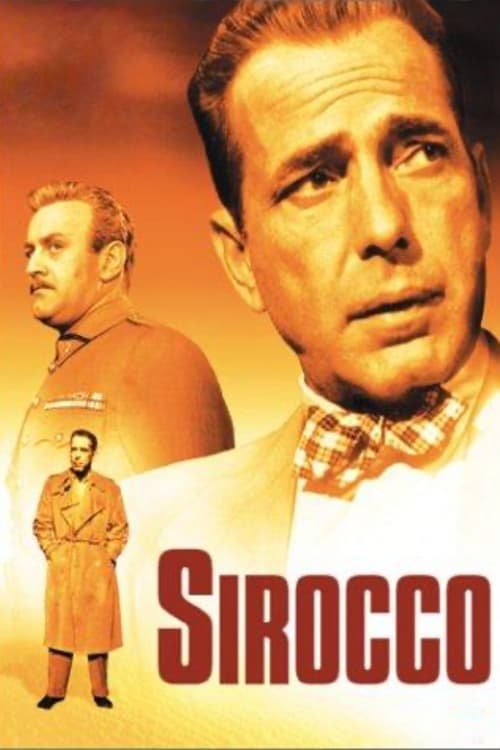
Sirocco
1951
No user ratings available yet
Representation score: 2.6 out of 10
Representation Score
Good
1950
PassedDirector
Richard Brooks
Runtime
96 minutes
Average Rating
No ratings yetNew Showbiz Analysis
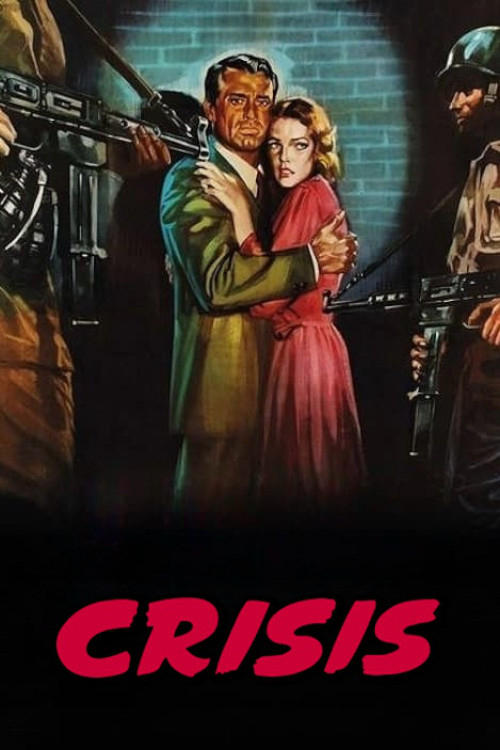
Richard Brooks' *Crisis* is a detailed look at urban isolation and social fragmentation. It moves beyond simple heroic stories to explore the psychological distress in modern metropolitan life. The film is progressive for its time, using a diverse urban cast to highlight socioeconomic realities. It avoids relying on a homogeneous cast and critiques institutional structures. However, the film is limited by the constraints of 1950s cinema. It lacks explicit LGBTQ+ narratives and does not deeply explore neurodivergence, which prevents a higher diversity rating.
Category Breakdown
The film does not include any explicit LGBTQ+ characters or relationships. There is no hidden message suggesting LGBTQ+ identities or critiques of heteronormativity.
Women in the film navigate complex personal issues and societal pressures rather than being confined to traditional roles. Male characters are shown to have psychological vulnerabilities and feelings of isolation.
The film showcases a diverse urban environment by featuring Black characters, such as a jazz musician. These characters play important roles in illustrating the city's varied socioeconomic conditions.
The movie critiques the emotional emptiness of high-society and capitalist systems. It also looks at how a lack of societal guidance impacts the psychological well-being of young people.
The story touches on psychological struggles and mental health issues, especially related to bullying and isolation. However, these elements are used to explore existential themes rather than focusing on neurodivergence as a primary identity.
Present on Screen
Limited or Absent
Official Synopsis
An American doctor gets caught in the middle of a revolution when he's forced to operate on a South American dictator.
1951
1950
1960
1964
1956
1955
1959

1972
No reviews yet. Be the first to share your thoughts on this movie!
Use the rating form above to leave a star rating and optional review.