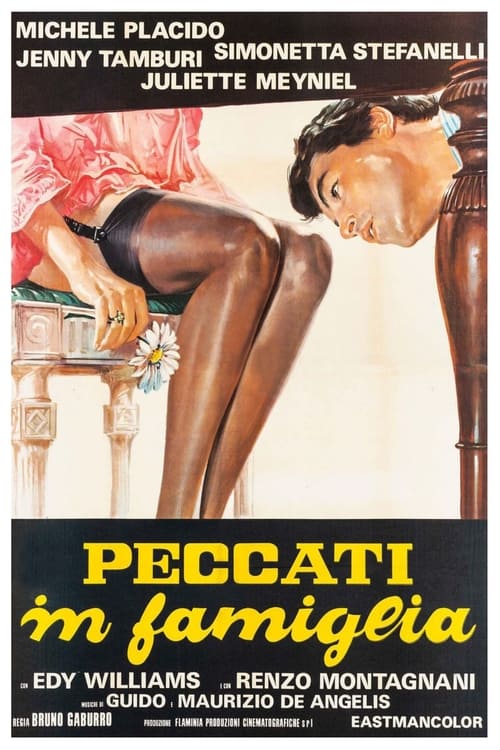
Scandal in the Family
1975
No user ratings available yet
Representation score: 1.5 out of 10
Representation Score
Limited
1976
Director
Mario Lanfranchi
Runtime
105 minutes
Average Rating
No ratings yetNew Showbiz Analysis
The film serves as a social satire centered on class mobility and the dissolution of traditional family structures. It finds its strength in subverting gendered power through the proactive roles of its female characters. However, the work remains limited by its narrow focus on European class hierarchies. It lacks multi-layered complexity and fails to include racial or ethnic diversity. Ultimately, the narrative relies on certain clichés and a homogeneous cast, making it a localized study of social strata rather than a progressive exploration of identity.
Category Breakdown
The film does not feature any explicit LGBTQ+ characters or narratives. The plot revolves around traditional heterosexual dynamics involving seduction and class tension.
Female characters use their sexuality to navigate economic displacement, exercising significant influence. However, the film leans into gendered caricatures, particularly with the 'sex-crazed' cliché.
The cast appears homogeneous, focusing on Italian social strata. There is no evidence of racial or ethnic diversity within the villa setting.
The story critiques the decay of the Italian aristocracy and traditional class hierarchies. It highlights the tension between old nobility and the nouveau riche.
No characters are identified as having physical, neurodivergent, or mental health disabilities.
Present on Screen
Limited or Absent
Official Synopsis
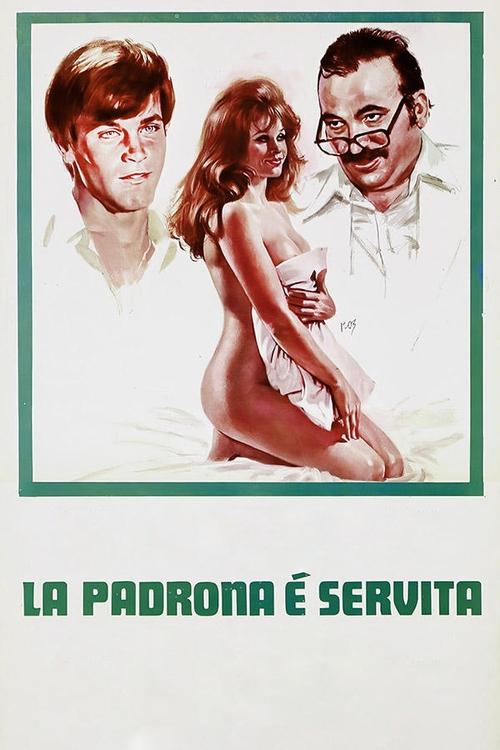
A bankrupt Italian count commit suicide and one of his creditors takes over his family villa but he allows the widow, the mother, and the three adult sisters to stay on. The creditor is a wealthy businessman, but also basically an uncouth peasant (who fancies himself an opera singer). Still, the dimwitted, sex-crazed sisters try to seduce both him and his shy, virginal son who accompanies him.
1975
1974
1979
1976
1976

1986
1971
1952
No reviews yet. Be the first to share your thoughts on this movie!
Use the rating form above to leave a star rating and optional review.