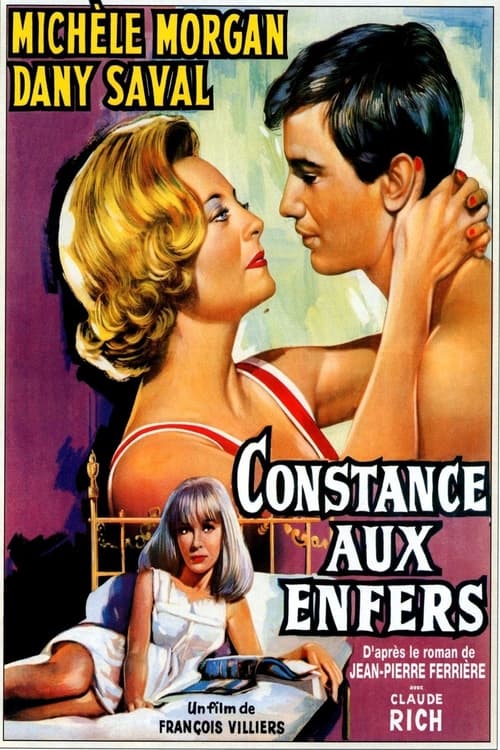
Constance aux enfers
1964
No user ratings available yet
Diversity score: 4.2 out of 10
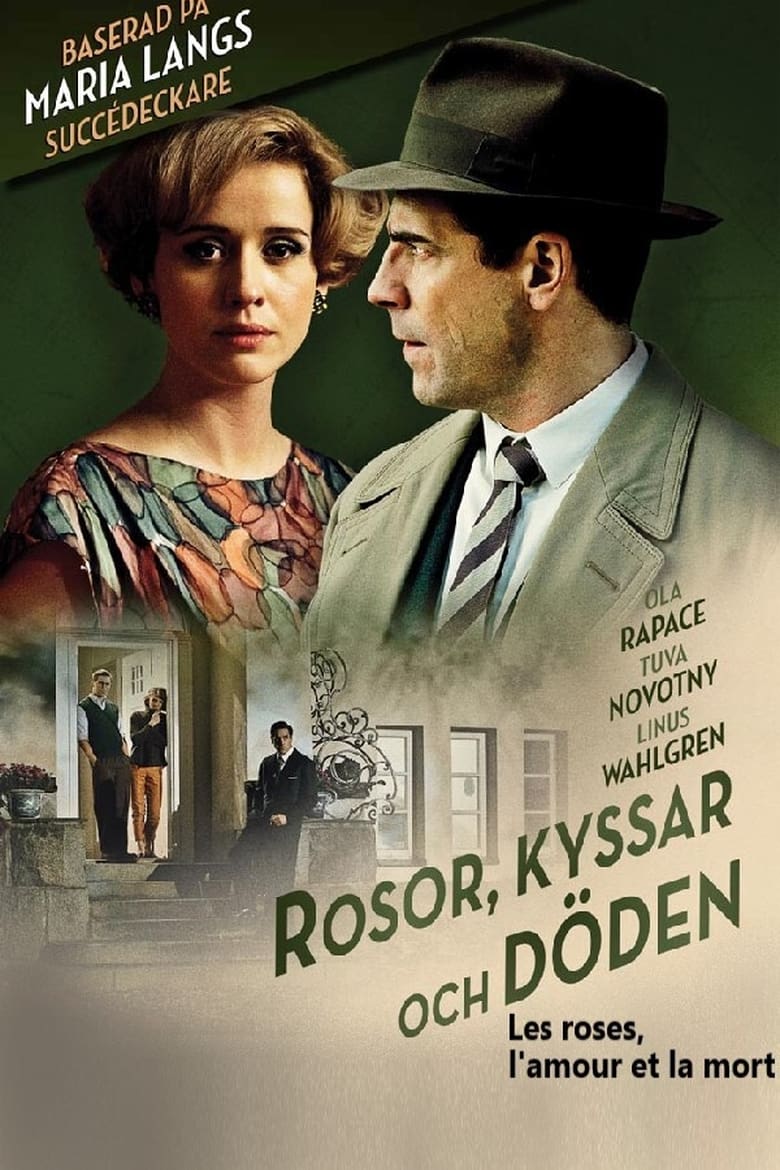
2013
Director
Daniel di Grado
Runtime
90 minutes
Average Rating
No ratings yetSynopsis
The country estate of Rödbergshyttan is surrounded by heavily fragrant roses in every color. There lives the beautiful Gabriella, who Christer loves, and an invitation to their engagement party is the reason for Puck and Einar to travel there. But the rose-scented idyll soon turn into a stifling background when Puck finds Gabriella's grandfather poisoned in his bed. Little by little we learn that the relations between the people living at the estate is everything but uncomplicated, and that there is a sexual frustration behind every well polished marriage. The question is to what extent beautiful Gabriella is involved in the intrigues and how much of a coincidence it is that her grandfather is killed just when Christer is in the house.
Overall Score
Limited
Category Breakdown
LGBTQ+ Representation
The story centers on heterosexual romantic tension and the dissatisfaction found in conventional marriages. There is no evidence of non-cisnormative identities or same-sex narratives within the plot.
Gender Representation
The film subverts domestic tropes by highlighting the instability of male characters. Gabriella serves as a central figure of intrigue, providing a level of agency that disrupts passive female archetypes.
Racial & Ethnic Diversity
The cast appears homogeneous, reflecting the specific Swedish country estate setting. There is no evidence of significant racial blending or intentional use of race-bent casting.
Religious & Cultural Diversity
The narrative deconstructs the idealized Western family and the sanctity of the domestic estate. It frames the rose-scented idyll as a mask for corruption and systemic dysfunction.
Disability Representation
While the plot involves mortality and poisoning, there is no evidence of neurodivergence or visible disabilities being portrayed as central character traits.
Strengths
Areas for Improvement
AI Analysis
Roses, Kisses and Death functions as a psychological deconstruction of the traditional Swedish estate lifestyle. It replaces the veneer of domestic stability with themes of sexual frustration and interpersonal betrayal. The film's strength lies in its ability to challenge the sanctity of the family unit through a postmodern lens. However, the work lacks demographic breadth. The focus remains on a localized, homogeneous demographic, which limits its intersectional impact. While it critiques social structures, it does so within a very narrow casting framework. Ultimately, the film is a character-driven mystery that prioritizes the erosion of the domestic ideal over diverse representation. It succeeds as a critique of social facades but fails to provide a broad spectrum of identities.
1964
2013
2013

2013
1960
1985
2010

1981
1973
1996
1999
2005
No reviews yet. Be the first to share your thoughts on this movie!
Use the rating form above to leave a star rating and optional review.