The Other Man
2008
No user ratings available yet
Representation score: 5.1 out of 10
Representation Score
Limited
2001
RDirector
Ray Lawrence
Runtime
121 minutes
Average Rating
No ratings yetNew Showbiz Analysis
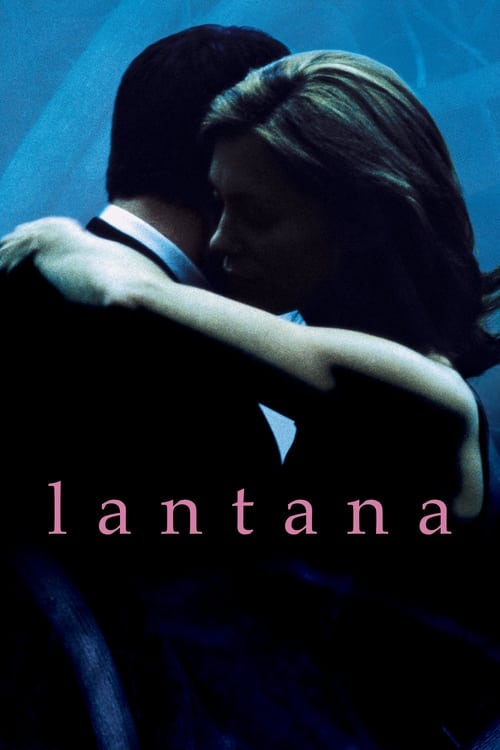
Lantana is a character-driven exploration of domestic fragmentation that prioritizes psychological consequences over traditional mystery clichés. While it offers a nuanced look at women's internal lives, it remains deeply rooted in traditional social structures. The film's strength lies in its challenge to the archetype of the stable domestic matriarch by giving female characters significant roles. However, the narrative lacks diversity, remaining confined to a largely homogenous demographic. Ultimately, the work reflects a specific, narrow social fabric. It succeeds in deconstructing the nuclear family but fails to represent a diverse range of identities or systemic perspectives.
Category Breakdown
The film focuses solely on heterosexual relationships and does not include LGBTQ+ characters or stories that challenge the assumption that everyone is straight or cisgender.
Female characters play a significant role in driving the story through their emotional dissatisfaction and navigation of secret social networks. The film challenges the idea that women are submissive by showing the breakdown of traditional domestic life.
The cast is mostly white and Anglo-Saxon, reflecting the homogeneous rural Australian setting. The narrative does not incorporate significant perspectives from minority groups into its main conflicts.
The story breaks down the myth of rural stability, replacing pastoral ideals with moral ambiguity. It focuses on the breakdown of the family unit rather than direct institutional criticism.
There are no prominent depictions of physical or neurodevelopmental disabilities that serve as central character arcs or plot drivers.
Present on Screen
Limited or Absent
Official Synopsis
Plagued with grief over the murder of her daughter, Valerie Somers suspects that her husband John is cheating on her. When Valerie disappears, Detective Leon Zat attempts to solve the mystery of her absence. A complex web of love, sex and deceit emerges -- drawing in four related couples whose various partners are distrustful and suspicious about each other's involvement.
2008

2006

2010

2000
1997

2002
1993

2008
No reviews yet. Be the first to share your thoughts on this movie!
Use the rating form above to leave a star rating and optional review.