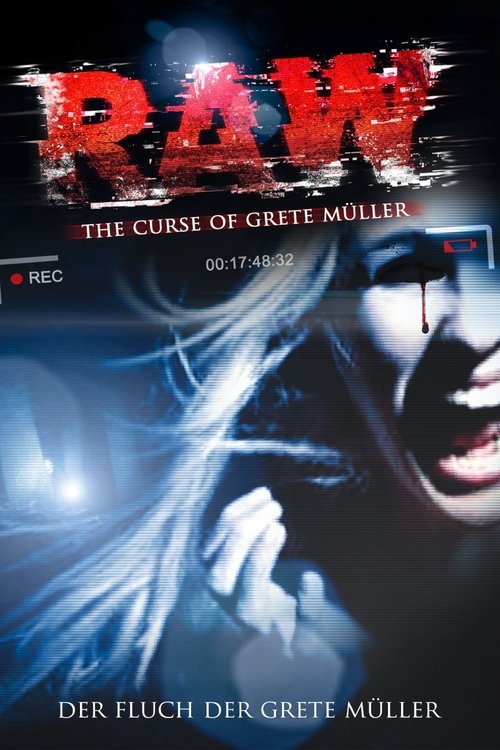
Raw: The Curse of Grete Müller
2013
No user ratings available yet
Representation score: 4.2 out of 10
Representation Score
Fair
2012
Director
Finn-Erik Rognan, Nils J. Nesse
Runtime
98 minutes
Average Rating
No ratings yetNew Showbiz Analysis
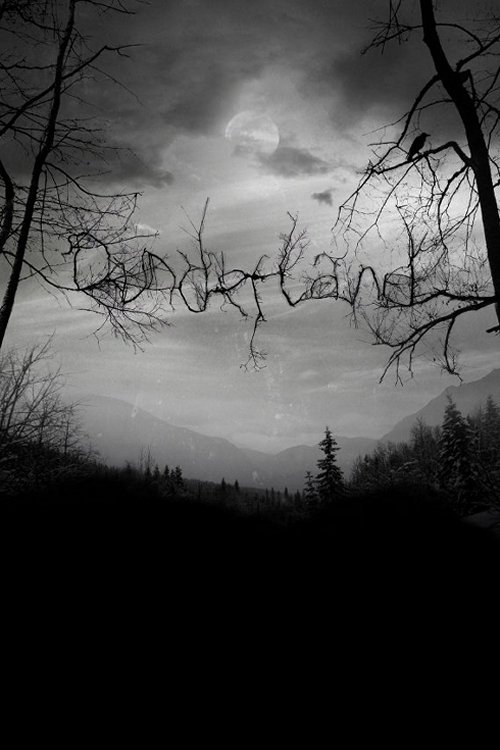
Dunderland primarily functions as a regional horror film centered on atmospheric tension and historical reckoning. While it avoids being a straightforward genre exercise by critiquing the systemic violence of past institutions, it lacks a broad multi-layered scope. The film's strengths lie in its subversion of authority through its cultural lens. By portraying historical social structures as sources of tragedy, it offers a nuanced view of institutional cruelty. However, the film remains limited by its demographic setting and lack of explicit identity-based representation. The focus on a specific Norwegian historical context results in a narrative that feels ethnically and socially homogeneous.
Category Breakdown
The film does not include any explicit references to LGBTQ+ characters or non-straight relationships. The storyline revolves around historical witchcraft and modern disappearances, avoiding queer themes.
Laura, an aspiring theater director, brings a female-led perspective to the modern part of the story. However, the historical subplot leans on traditional clichés that portray women as victims in the context of witchcraft.
Given the Norwegian setting and historical context, the cast appears ethnically homogeneous. There is no indication of multicultural casting or diverse ethnic representation among the actors.
The narrative criticizes religious and communal authority by depicting historical persecutors as agents of tragedy. It examines traditional social structures through a skeptical, post-modern lens.
There is no information about characters with visible or invisible disabilities. No representation in this category can be confirmed.
Present on Screen
Limited or Absent
Official Synopsis
Dunderland Valley, 1695. A young maiden is accused of witchcraft. Her persecutors end her life in the bottomless pits of the Djupkista Waters. In the years to follow, numerous horrendous events and tragedies strike the valley. In 2011, the young, aspiring theater director Laura arrives in the valley with an ensemble of Norway’s premier actors. They are soon made aware of the valley's dark and bloody history. Then the star actor disappears.
2013
1922
2017
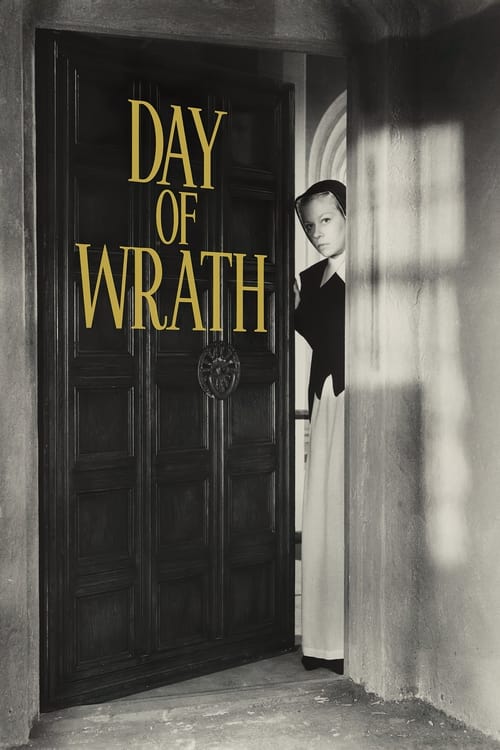
1943
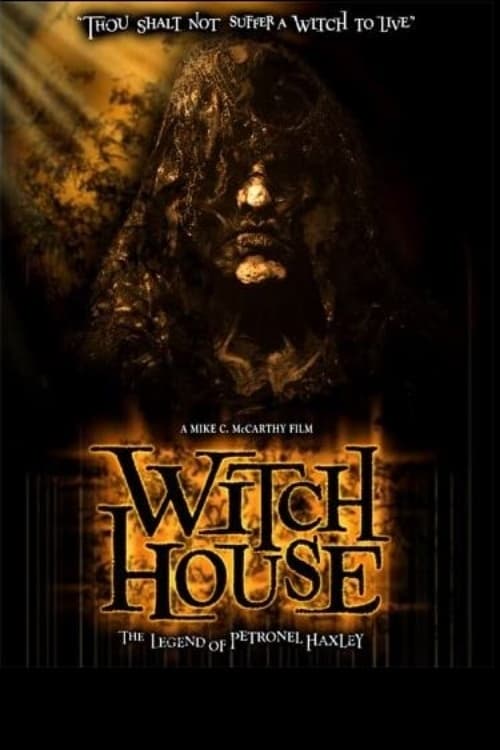
2008
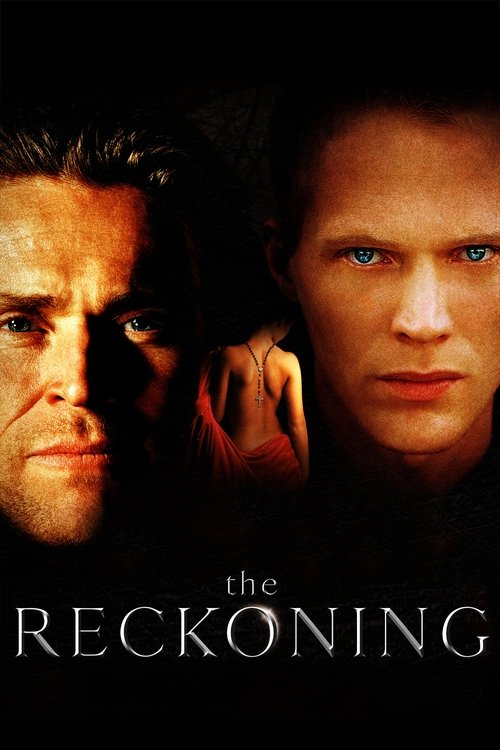
2004
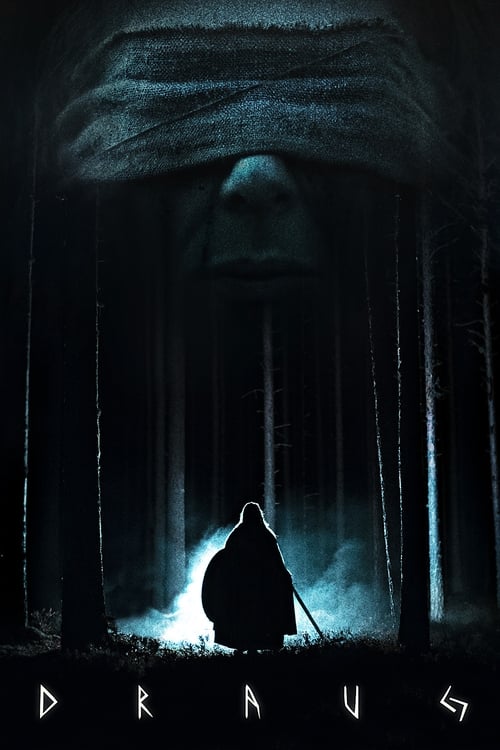
2018
2026
No reviews yet. Be the first to share your thoughts on this movie!
Use the rating form above to leave a star rating and optional review.