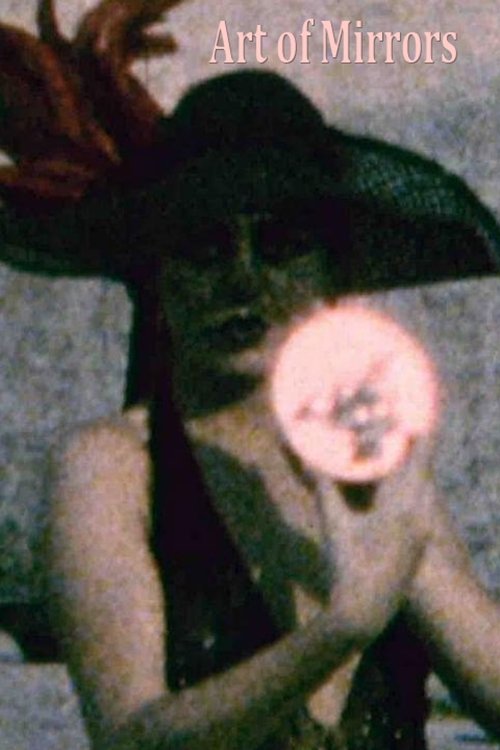
Art of Mirrors
1973
No user ratings available yet
Representation score: 4.6 out of 10
No Poster Available
Representation Score
Fair
1977
Director
Derek Jarman
Runtime
5 minutes
Average Rating
No ratings yetNew Showbiz Analysis
Derek Jarman’s experimental Super-8 work sets a foundation for his later critiques of societal norms. The film's identity is rooted in the director's history of disrupting conventional cinema through avant-garde techniques. Though specific character arcs are not fully defined, the film's structure challenges linear storytelling and traditional visual language. It prioritizes non-linear expression and the deconstruction of mainstream hierarchies. The work’s importance lies in its role within the queer cinema movement, using cinema as a tool for cultural deconstruction and challenging mainstream hierarchies.
Category Breakdown
This film explores queer aesthetics and identity, moving away from traditional assumptions about sexuality and gender. It centers on perspectives that don't conform to typical gender norms.
The film focuses on fluid identity rather than fixed gender roles. It avoids reinforcing the rigid masculinity or femininity often seen in mainstream 1970s cinema.
Specific details regarding the racial composition of the cast are unavailable. No verifiable evidence exists regarding casting choices or character backgrounds.
The work emphasizes personal experiences over traditional moralities. It challenges the norms of Western institutions and traditions.
There is no specific evidence to confirm the presence or portrayal of characters with disabilities in this work.
Present on Screen
Limited or Absent
Official Synopsis
This film was shot on Super-8 by Derek Jarman in 1977 and is considered to be the inspiration for Jubilee. Jarman often showed his films silent or with different musical accompaniment - one of Jarman's suggestions was Brahms' "Violin Concerto."
1973

1994
1973

1987
1981

1981
1973

1971
No reviews yet. Be the first to share your thoughts on this movie!
Use the rating form above to leave a star rating and optional review.