The Blank Generation
1976
No user ratings available yet
Diversity score: 6.5 out of 10
1981
Director
Derek Jarman
Runtime
8 minutes
Average Rating
No ratings yetSynopsis
An experimental film of the group Throbbing Gristle in concert.
Overall Score
Good
Category Breakdown
LGBTQ+ Representation
The film documents a post-punk subculture that provided vital spaces for queer expression. Jarman’s direction prioritizes non-normative identities over traditional character arcs.
Gender Representation
The work disrupts gendered expectations of spectacle. By focusing on abrasive sonic textures, it avoids the polished, gender-coded aesthetics found in mainstream pop.
Racial & Ethnic Diversity
Representation reflects the specific demographics of the Western urban industrial scene of the era. The score remains moderate due to this localized subcultural focus.
Religious & Cultural Diversity
The film critiques Western social and religious institutions through an anti-institutional lens. It favors subjective, experimental spirituality over organized religion.
Disability Representation
The industrial nature of the film engages with themes of bodily autonomy. It rejects normative physical and sensory standards through its experimental approach.
Strengths
Areas for Improvement
AI Analysis
Derek Jarman’s direction transforms a concert documentary into a profound critique of mainstream cultural stability. The film succeeds by prioritizing the raw and non-conformist over traditional entertainment structures. While the documentary format lacks scripted narratives, it effectively captures the subversion of social hierarchies. It serves as a significant artifact of counter-cultural expression and industrial semiotics. However, the film is limited by its specific historical and geographic context. The representation remains tied to the Western urban demographics of the early 1980s industrial movement.
1976
2015

2004

1981
2009
1981
2022

1974
1980
2018

2009
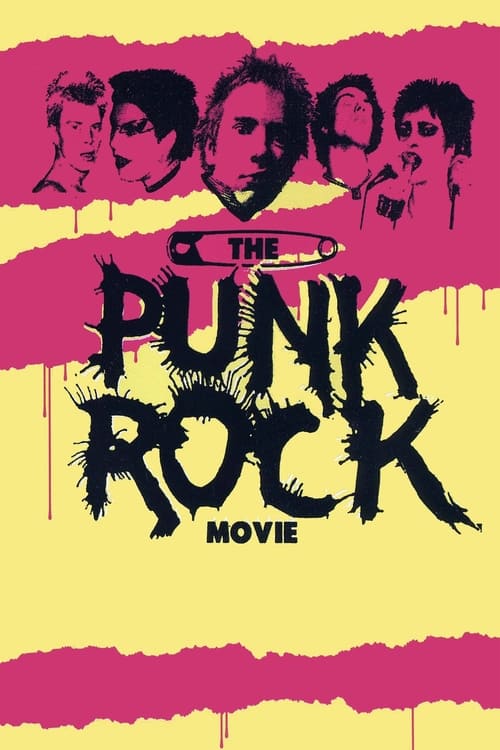
1978
No reviews yet. Be the first to share your thoughts on this movie!
Use the rating form above to leave a star rating and optional review.