Intimate Games
1976
No user ratings available yet
Representation score: 3.1 out of 10
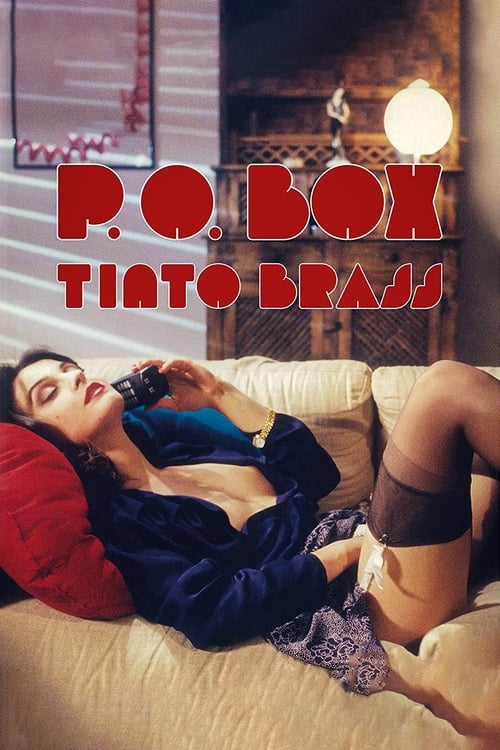
Representation Score
Limited
1995
Director
Tinto Brass
Runtime
81 minutes
Average Rating
No ratings yetNew Showbiz Analysis
P.O. Box Tinto Brass is an erotic film that emphasizes physical desire over sociopolitical commentary. It centers on female sexual curiosity, disrupting traditional gender roles. However, the film balances this by maintaining a voyeuristic perspective that can commodify women. While the film challenges conservative religious views on sexuality, it does not engage deeply with modern multi-layered frameworks. Instead, it focuses on individualistic hedonism without addressing systemic identity politics or diverse cultural backgrounds.
Category Breakdown
The film adheres to traditional assumptions about straight relationships and gender matching assigned at birth. It focuses on male-female sexual dynamics without exploring other gender identities or same-sex relationships.
The film highlights female desire and curiosity, challenging the idea of women as passive objects. However, the portrayal includes a voyeuristic perspective that can commodify women.
The film features a predominantly white cast typical of mid-90s European erotic cinema. There is no significant representation of diverse ethnic backgrounds or non-white characters.
The film presents eroticism as a natural pursuit, focusing on individual hedonism rather than critiquing broader societal structures. It challenges conservative religious views on sexuality.
The film does not include characters with physical or neurodivergent disabilities. Disability is not used as a plot device or central theme.
Present on Screen
Limited or Absent
Official Synopsis
A successful erotic film producer from Rome regularly receives letters from female fans seeking his advice on how to spice up their sex lives. Thanks to his years of experience in both the film business and the sex industry, he has all sorts of tips at the ready and, in an emergency, is happy to make a house call himself to demonstrate his qualities in person.
1976

1980
1975
1971

1969

2014
1992

2021
No reviews yet. Be the first to share your thoughts on this movie!
Use the rating form above to leave a star rating and optional review.