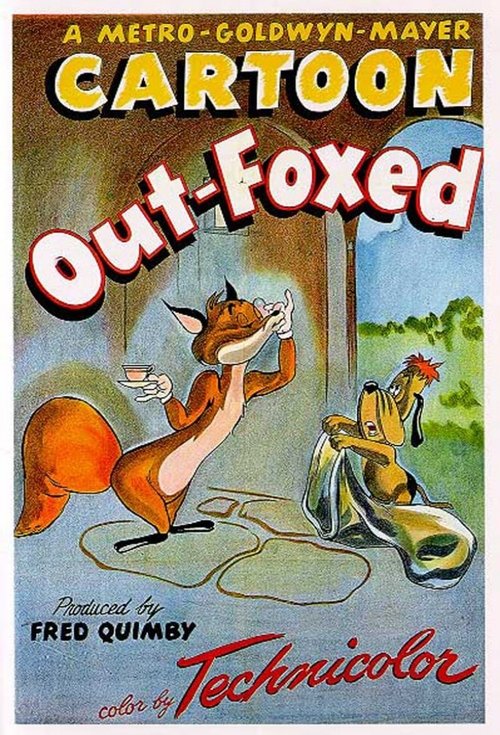
Out-Foxed
1949
No user ratings available yet
Diversity score: 2.2 out of 10

1943
ApprovedDirector
Tex Avery
Runtime
8 minutes
Average Rating
No ratings yetSynopsis
A murder has occurred at Gruesome Gables, and the dog detective trying to find the killer has to deal with some suspicious suspects and a haunted house.
Overall Score
Limited
Category Breakdown
LGBTQ+ Representation
The film shows no evidence of non-heteronormative identities or same-sex intimacy. It likely adheres to the strict heteronormative constraints typical of 1943 production standards.
Gender Representation
The narrative likely relies on established gender tropes common to the mystery-comedy genre of this era. There is no evidence of women occupying roles of superior intellect.
Racial & Ethnic Diversity
The focus on a canine detective and a haunted house provides no evidence of a diverse cast. The work likely centers on homogeneous character archetypes common to mid-century animation.
Religious & Cultural Diversity
The mystery setting utilizes traditional whodunit tropes and notions of justice. Tex Avery’s absurdist direction may offer minor disruptions to traditional order through slapstick and chaos.
Disability Representation
There is no indication of characters with visible or invisible disabilities. No such roles are mentioned within the narrative or available records.
Strengths
Areas for Improvement
AI Analysis
Who Killed Who? is a product of the Golden Age of animation, functioning as a mystery-comedy set in a stylized, supernatural environment. While Tex Avery is known for subversive and high-energy comedic structures, the film appears to operate within the conventional social and demographic frameworks of the 1940s. The use of anthropomorphic animals and a haunted house setting allows for a departure from human-centric hierarchies, yet the content lacks intersectional complexity. The narrative architecture remains constrained by the historical standards of its era. Ultimately, the film lacks explicit subversion of systemic hierarchies. It serves as a traditional genre piece that reflects the homogeneous character archetypes prevalent in mid-century animation.
1949
1947
1940
1938
1951

1943
1949
1941
1941
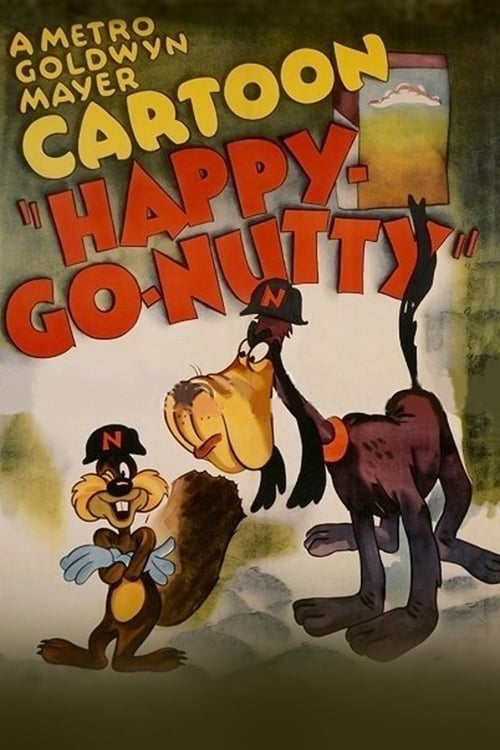
1944
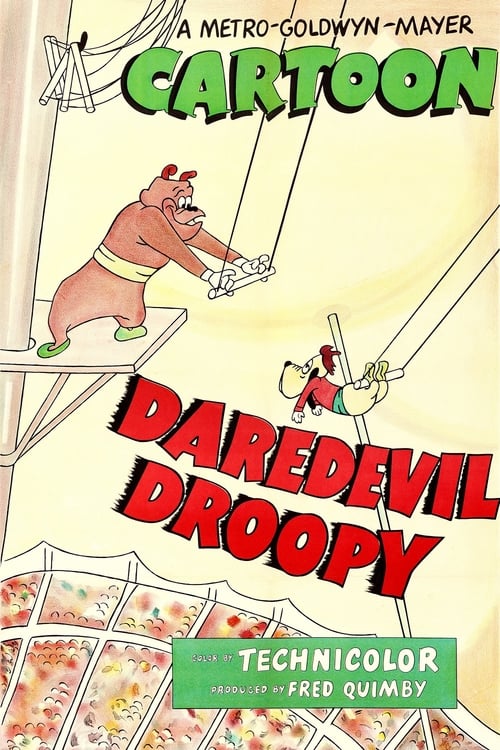
1951
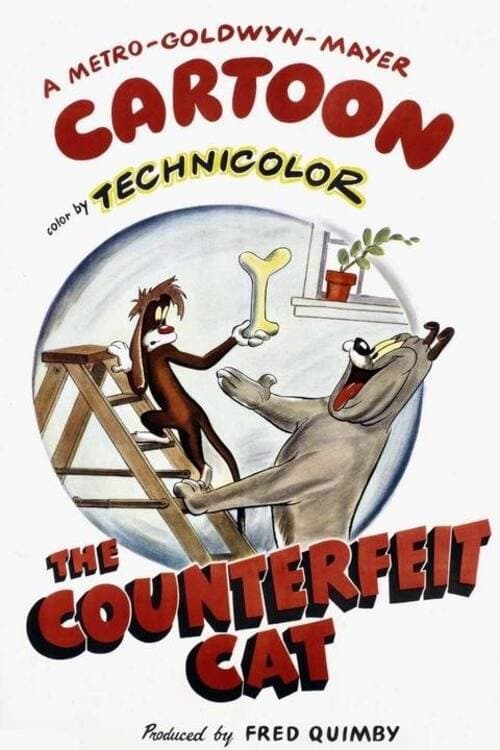
1949
No reviews yet. Be the first to share your thoughts on this movie!
Use the rating form above to leave a star rating and optional review.