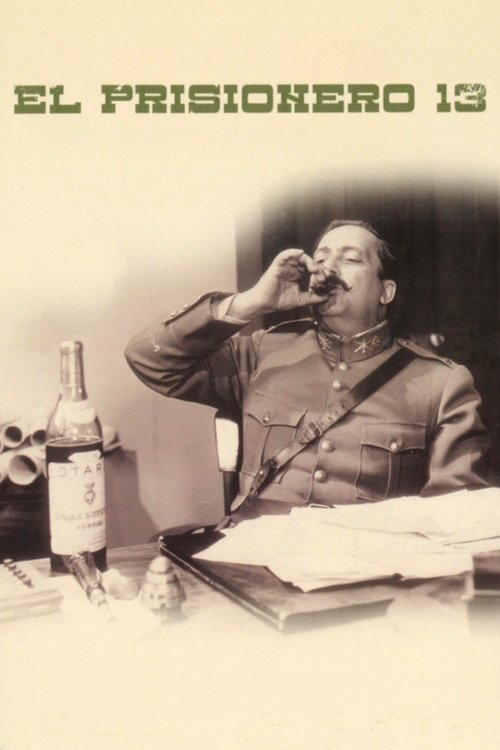
Prisoner 13
1933
No user ratings available yet
Diversity score: 5.5 out of 10

1936
PG-13Director
Fernando de Fuentes
Runtime
92 minutes
Average Rating
No ratings yetSynopsis
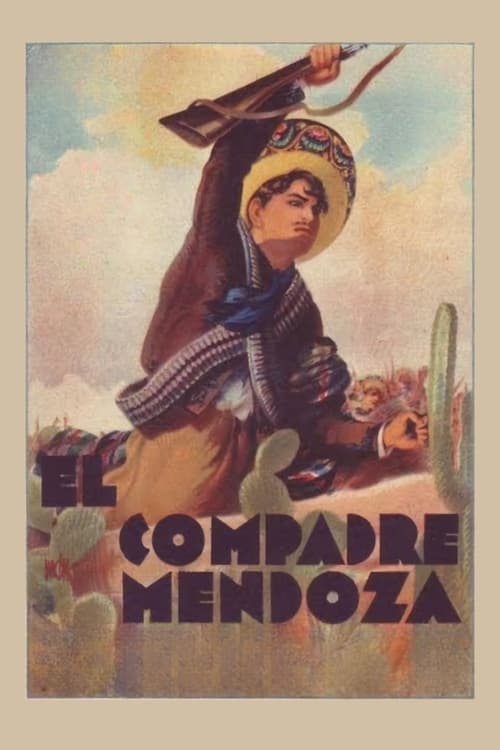
The 1910 Mexican Revolution is on its way when six brave peasants, known as "Los Leones de San Pablo", decide to join Pancho Villa's army and help end the suffering in their community by assisting in the struggle. Together, they will endure the tragedies and hardships of a civil war.
Overall Score
Fair
Category Breakdown
LGBTQ+ Representation
The film focuses on masculine camaraderie during the revolutionary struggle. There is no evidence of non-cisnormative identities or same-sex intimacy within the narrative.
Gender Representation
Agency is concentrated almost exclusively in male characters like 'Los Leones de San Pablo.' Women function primarily as supporting figures or camp followers within the social backdrop.
Racial & Ethnic Diversity
The film disrupts Eurocentric norms by centering a predominantly Mexican cast. It prioritizes the indigenous and mestizo peasant experience as the central lens of the revolution.
Religious & Cultural Diversity
The narrative critiques Eurocentric power structures and the Porfirian regime. It uses moral relativism to portray the revolution as a chaotic, non-idealistic struggle against class-based oppression.
Disability Representation
There is no significant evidence regarding the portrayal of visible or invisible disabilities in the text.
Strengths
Areas for Improvement
AI Analysis
Fernando de Fuentes delivers a gritty, realist deconstruction of the Mexican Revolution. The film excels by centering Mexican ethnic agency and critiquing colonial-aligned power structures, providing a vital departure from the Eurocentric cinema of the 1930s. However, the film remains limited by traditional gender hierarchies. The plot is driven by male military action, leaving women with minimal agency and excluding any queer representation or subtext. Ultimately, the work is a landmark of post-colonial framing. It trades romanticized myth-making for a complex, human-centric portrayal of social conflict and class struggle.
No reviews yet. Be the first to share your thoughts on this movie!
Use the rating form above to leave a star rating and optional review.