Smile Before Death
1972
No user ratings available yet
Representation score: 3.8 out of 10
Representation Score
Fair
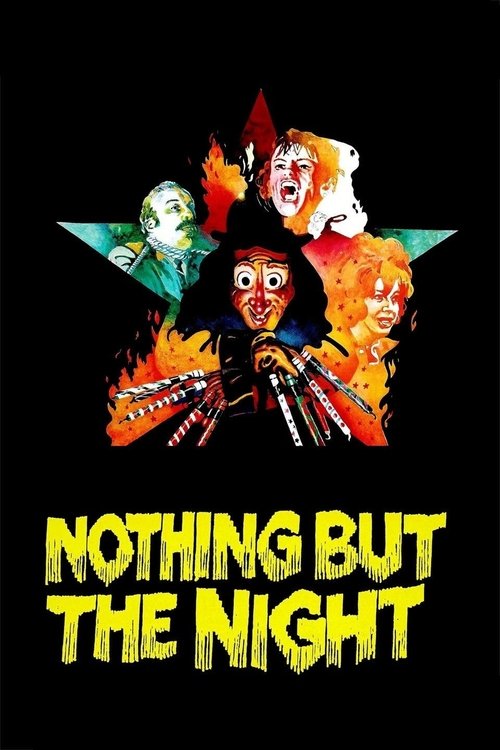
1973
PGDirector
Peter Sasdy
Runtime
90 minutes
Average Rating
No ratings yetNew Showbiz Analysis
Nothing But the Night is a mystery film that reflects the demographic homogeneity of 1970s British cinema. While it lacks significant racial or LGBTQ+ representation, it excels in its narrative structure. The film centers a female perspective, using her unique sensory experiences to drive the plot. This approach avoids some of the era's more limiting clichés. Ultimately, the film's progressive value lies in its subtle critique of institutional structures and its focus on the vulnerability of children within those systems.
Category Breakdown
The film doesn't include any explicit LGBTQ+ characters or stories. It focuses on the mystery and conflicts within the orphanage.
A female character leads the investigation through her vivid memories. However, the overall investigation is driven by male figures following traditional methods.
The cast appears to be predominantly white, typical of British films from the 1970s. The story revolves around a traditional Western social structure.
The plot questions the benevolence of the orphanage trustees, highlighting the psychological impact of systemic oversight.
The protagonist's vivid, impossible memories suggest she might be dealing with psychological trauma or neurodivergence. These memories fuel the investigation.
Present on Screen
Limited or Absent
Official Synopsis
When various trustees of the Van Traylen Orphanage begin dying in close order, it's at first written off as a coincidence. But, when a school bus accident very nearly takes out three more of them along with a group of orphans, Col. Bingham and his pathologist friend, Mark, begin looking into the deaths. They come to think the answer lies with one of the girls on the bus, who has vivid memories of things she could not possibly have seen.
1972
1963
1972
1971
1955

1961
1975
1976
No reviews yet. Be the first to share your thoughts on this movie!
Use the rating form above to leave a star rating and optional review.