
Vjeran Tomic: The Spider-Man of Paris
2023
No user ratings available yet
Representation score: 3.6 out of 10
Representation Score
Limited
2022
Director
Allison Otto
Runtime
96 minutes
Average Rating
No ratings yetNew Showbiz Analysis
This specialized true-crime documentary centers on the theft and recovery of a high-value masterpiece. Its narrative strength lies in exploring the tension between institutional art ownership and private life in the American West. While the film lacks broad demographic representation in terms of LGBTQ+ or racial diversity, it provides cultural complexity by deconstructing the perceived security of Western institutions. Ultimately, the work investigates capitalistic structures and the disruption of property hierarchies rather than identity-based diversity.
Category Breakdown
The film does not include any LGBTQ+ characters or narratives. The story revolves around a specific criminal event involving well-known individuals.
The narrative focuses on a woman and a domestic partnership. However, it follows traditional biographical frameworks without challenging gender roles.
The story centers on an art theft event in Arizona and New Mexico, focusing on Anglo-centric figures. There is no indication of a diverse cast or multi-layered racial dynamics.
The film examines the conflict between institutional capitalism and private domestic life. It highlights the vulnerability of Western cultural repositories and established property hierarchies.
There is no information about the depiction of neurodivergence or physical disabilities in this documentary.
Present on Screen
Limited or Absent
Official Synopsis
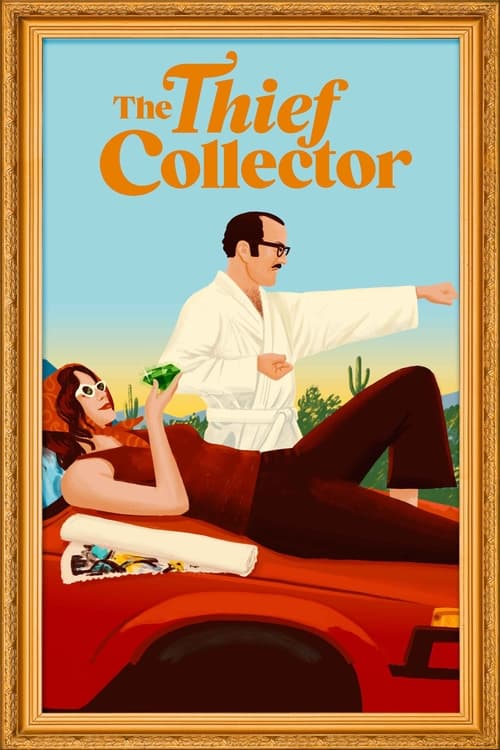
In 1985, Willem de Kooning’s “Woman-Ochre,” one of the most valuable paintings of the 20th century, vanished into the Arizona desert after being cut from its frame at the University of Arizona Museum of Art. 32 years later, the $160 million painting was found hanging in the home of Jerry and Rita Alter in rural New Mexico.
2023
2019

2025

2018
2025

2021
2023
2018
No reviews yet. Be the first to share your thoughts on this movie!
Use the rating form above to leave a star rating and optional review.