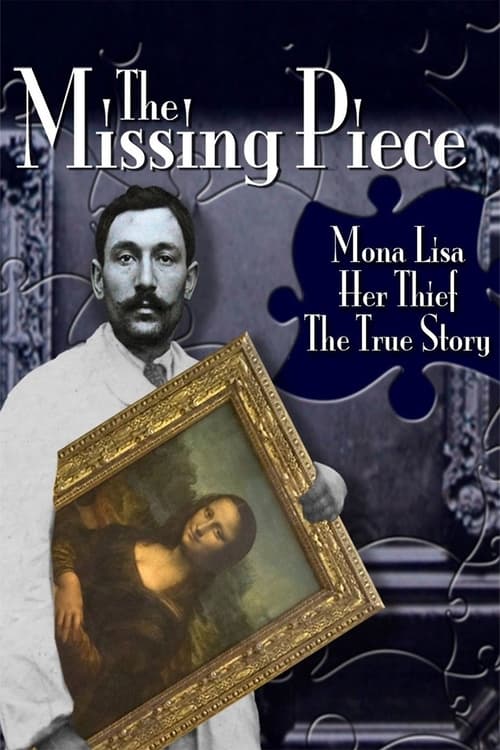
The Missing Piece: Mona Lisa, Her Thief, the True Story
2012
No user ratings available yet
Representation score: 3.3 out of 10
Representation Score
Limited
2020
Director
Benjamin Ree
Runtime
102 minutes
Average Rating
No ratings yetNew Showbiz Analysis
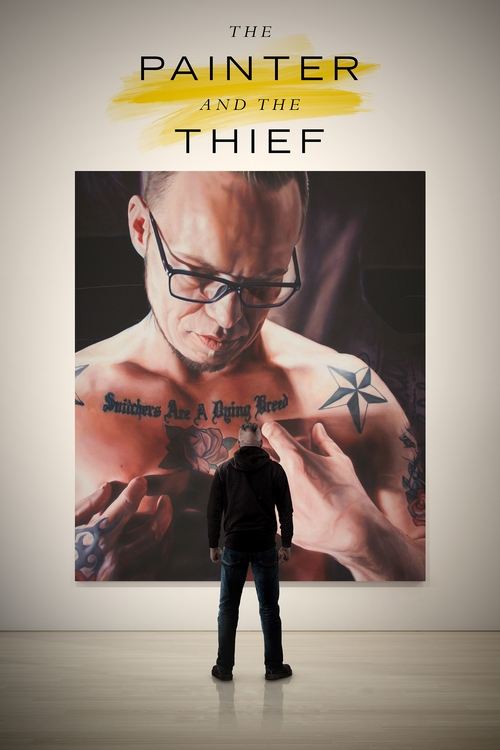
The documentary succeeds by replacing a standard crime procedural with a study of empathy and human complexity. It disrupts the typical 'crime and punishment' archetype by prioritizing interpersonal connections over punitive legal frameworks. However, the film lacks broad diversity. It does not feature explicit LGBTQ+ representation or significant racial diversity, remaining a localized, intimate study of a specific European setting. Ultimately, the work finds its strength in psychological depth. It moves away from institutional rigidity to explore a more fluid, humanistic understanding of conflict and transformation.
Category Breakdown
The film centers on a friendship between the artist and the thief, without depicting any LGBTQ+ identities or non-traditional gender expressions.
Barbora Kysilkova drives the narrative, shifting from a victim to a creative leader. She challenges traditional gender roles by taking control of her own story and making her own decisions throughout the film.
The story is set in a specific Scandinavian context within the Oslo art scene. It does not include diverse casting or multi-ethnic ensembles to broaden its themes.
The narrative questions legal morality by portraying the thief as a human subject rather than just a criminal. It highlights personal experiences over institutional justice.
There are no prominent depictions of visible or invisible disabilities. Chronic illness or neurodivergence does not serve as a central narrative driver.
Present on Screen
Limited or Absent
Official Synopsis
When two of artist Barbora Kysilkova’s most valuable paintings are stolen from a gallery at Frogner in Oslo, the police are able to find the thief after a few days, but the paintings are nowhere to be found. Barbora goes to the trial in hopes of finding clues, but instead she ends up asking the thief if she can paint a portrait of him. This will be the start of a very unusual friendship. Over three years, the cinematic documentary follows the incredible story of the artist looking for her stolen paintings, while at the same time turning the thief into art.
2012
1973

2016
2020
2006
2017
2020
2012
No reviews yet. Be the first to share your thoughts on this movie!
Use the rating form above to leave a star rating and optional review.