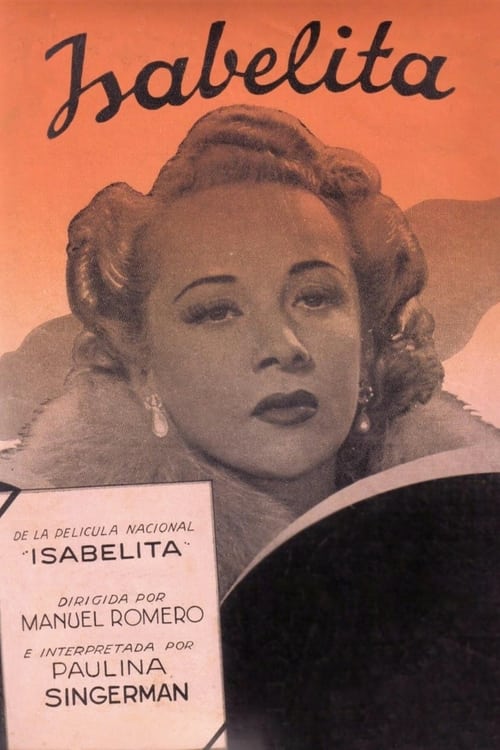
Isabelita
1940
No user ratings available yet
Representation score: 1.3 out of 10

Representation Score
Limited
1936
Director
Manuel Romero
Runtime
57 minutes
Average Rating
No ratings yetNew Showbiz Analysis
Don Quijote del Altillo is a product of the Golden Age of Argentine cinema, focusing on the social tensions in Buenos Aires. The film uses a comedic framework to explore the clash between economic power and romantic ability to act, particularly through the lens of class dynamics. While the film provides a slight critique of the upper class by exposing a wealthy man's deception, it remains firmly anchored in the social hierarchies of the 1930s. The narrative structure emphasizes traditional romantic pursuits and conventional comedic storytelling. Ultimately, the work serves as a period-specific social commentary that questions transactional courtship without deviating significantly from the norms of its time.
Category Breakdown
The film does not include any characters with non-straight identities. It follows traditional romantic storylines typical of its time.
A female character drives the main storyline. She overcomes deception and asserts herself, showing she plays a key role in the story.
The production likely mirrors the demographic uniformity of 1930s Argentina. There is no indication of diverse casting.
The story offers a mild critique of class-based power structures. It aligns with the working class by revealing the moral shortcomings of the rich.
There is no information available about the portrayal of physical or neurodivergent identities in this film.
Present on Screen
Limited or Absent
Official Synopsis
A rich man offers marriage to a humble girl to be able to get her but he is discovered in his lie.
1940

1978
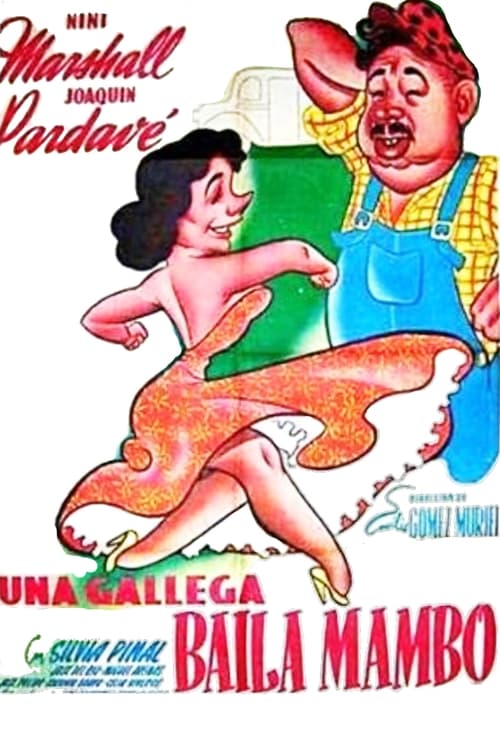
1951

1992

1943
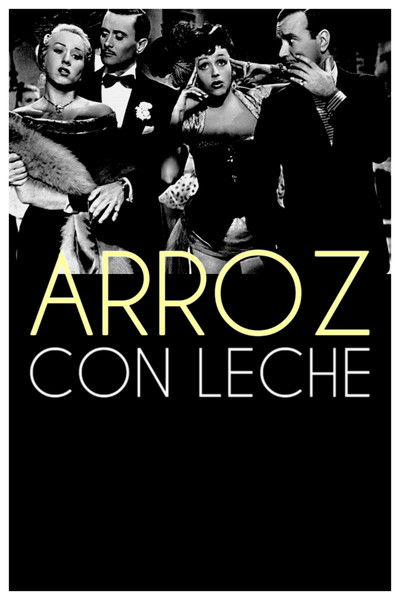
1950

1983
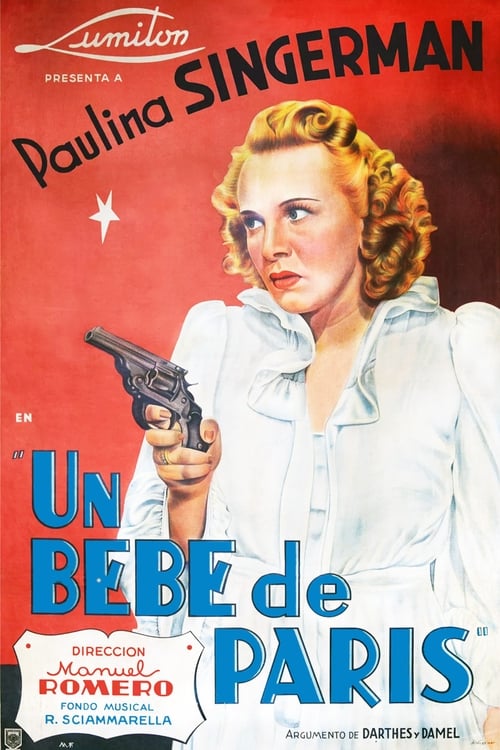
1941
No reviews yet. Be the first to share your thoughts on this movie!
Use the rating form above to leave a star rating and optional review.