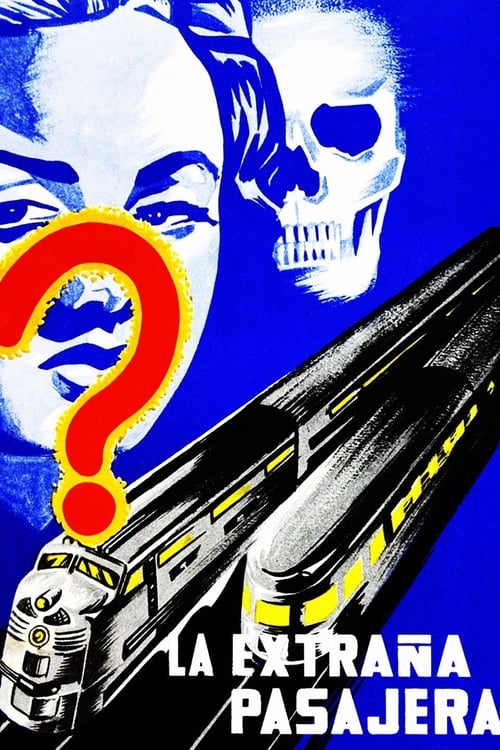
La extraña pasajera
1953
No user ratings available yet
Representation score: 3.2 out of 10
Representation Score
Minimal
1953
Director
Zacarías Gómez Urquiza
Runtime
80 minutes
Average Rating
No ratings yetNew Showbiz Analysis
This 1953 thriller follows the traditional genre conventions of mid-century Spanish cinema, adhering strictly to the social hierarchies of the time. While it introduces a female reporter who has some independence, her role remains tied to the male lead. The film focuses on authority and order, reinforcing the legitimacy of state institutions and traditional justice systems. Ultimately, it reflects the limited social scope of its era, prioritizing genre conventions over diverse representation.
Category Breakdown
The film does not include any characters with non-binary gender identities or LGBTQ+ orientations, sticking closely to the societal norms of 1950s Spain.
A female reporter provides a minor departure from typical domestic roles, but her identity as a fiancée indicates her actions are still influenced by her relationship with the male lead.
The cast seems ethnically uniform, consistent with the demographics of the time. The train setting implies a single, dominant demographic without significant non-white representation.
The story supports state institutions through a traditional law-and-order framework, emphasizing social stability and upholding established norms.
There is no information regarding the portrayal of physical or neurodivergent characters in this production.
Present on Screen
Limited or Absent
Official Synopsis
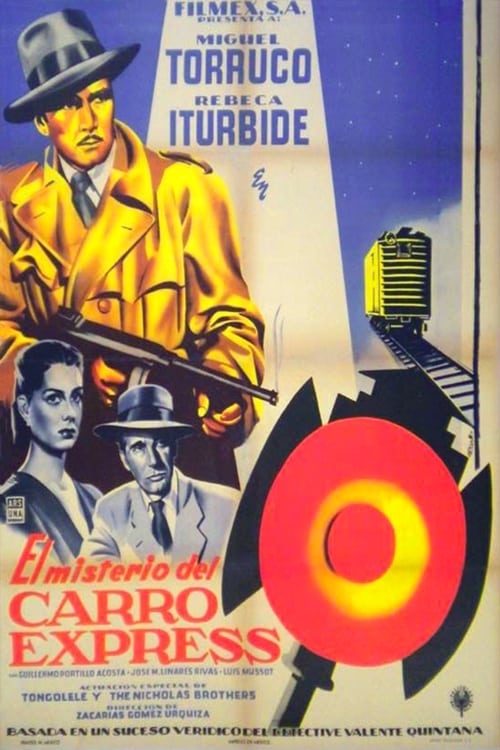
Police detective and his plucky girl-reporter fiancée go after the gang that committed a train robbery.
1953
1952
1936

1949
1933
1950
1956

1954
No reviews yet. Be the first to share your thoughts on this movie!
Use the rating form above to leave a star rating and optional review.