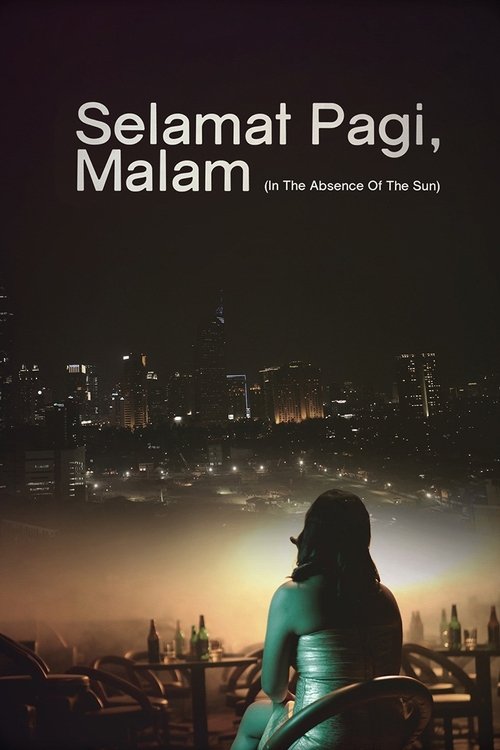
In the Absence of the Sun
2014
No user ratings available yet
Diversity score: 6.4 out of 10
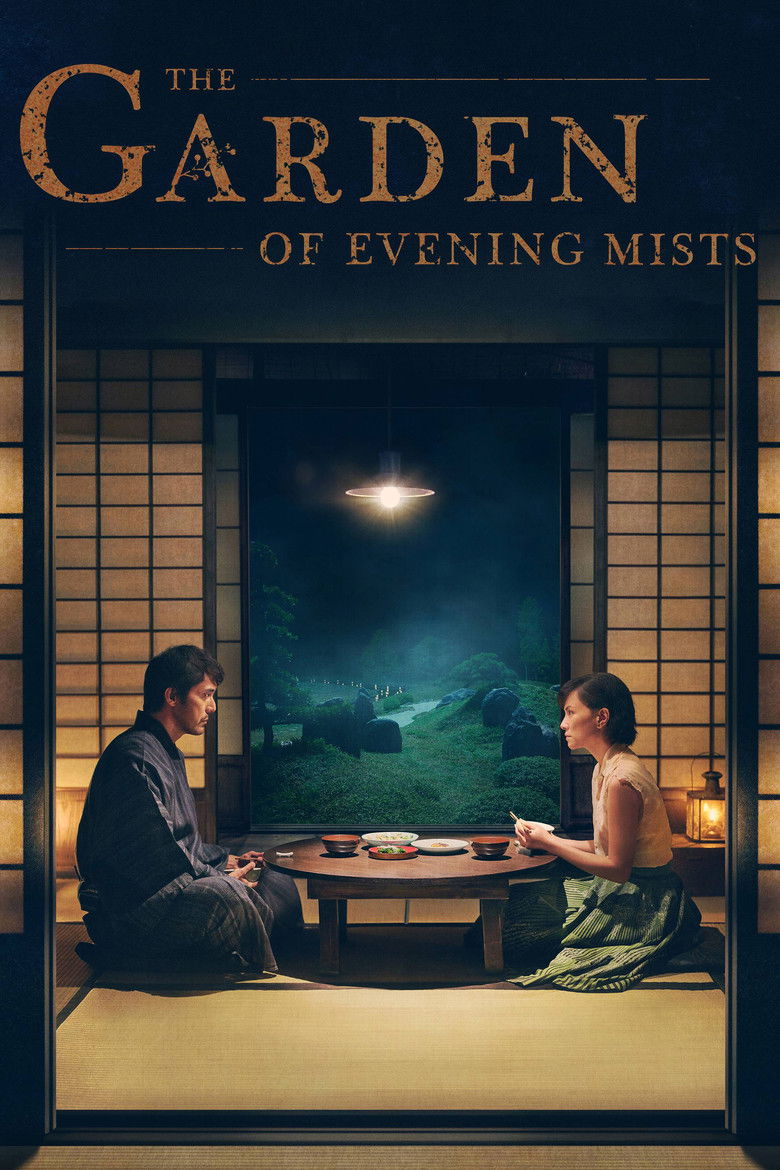
2019
Director
Tom Lin
Runtime
120 minutes
Average Rating
No ratings yetSynopsis
A woman seeking a quiet life in post-World War II British Malaya finds love and a common interest in gardening with a mysterious Japanese man.
Overall Score
Good
Category Breakdown
LGBTQ+ Representation
The film focuses on heteronormative romance and platonic bonds born from shared trauma. There is no explicit presence of queer identities or narratives that critique heteronormativity within the central character arcs.
Gender Representation
Yun Ling serves as a strong female protagonist who drives the emotional and thematic progression. Her agency is defined by survival and intellectual pursuits rather than submissive roles within the historical landscape.
Racial & Ethnic Diversity
The narrative excels by centering Chinese, Japanese, and Malay identities in post-war Malaya. It moves beyond Western-centric tropes to explore ethnic tensions and cross-cultural connections in a colonial setting.
Religious & Cultural Diversity
The story offers a deep post-colonial critique of British and Japanese occupation. It prioritizes the subjective experiences of the colonized and the systemic trauma of identity and land.
Disability Representation
While physical disabilities are not a focus, the film explores psychological trauma and PTSD. The protagonist's mental health is treated with depth and agency rather than as a simple plot device.
Strengths
Areas for Improvement
AI Analysis
The Garden of Evening Mists is a sophisticated piece of cinematic reclamation that centers non-Western identities. It successfully avoids traditional Western-centric historical tropes by focusing on the complex intersections of race and occupation in post-war Malaya. The film's greatest strength is its nuanced exploration of post-colonialism and ethnic identity. By centering the experiences of Chinese, Japanese, and Malay characters, it provides a rich, sophisticated look at life under colonial and occupying powers. However, the film lacks queer representation and focuses primarily on heteronormative connections. While it handles psychological trauma with significant depth, the absence of visible LGBTQ+ identities limits its overall diversity score.
2014

2013

2016

1968
2002

2006

2018
2010

1993
2009
1995
1986
No reviews yet. Be the first to share your thoughts on this movie!
Use the rating form above to leave a star rating and optional review.