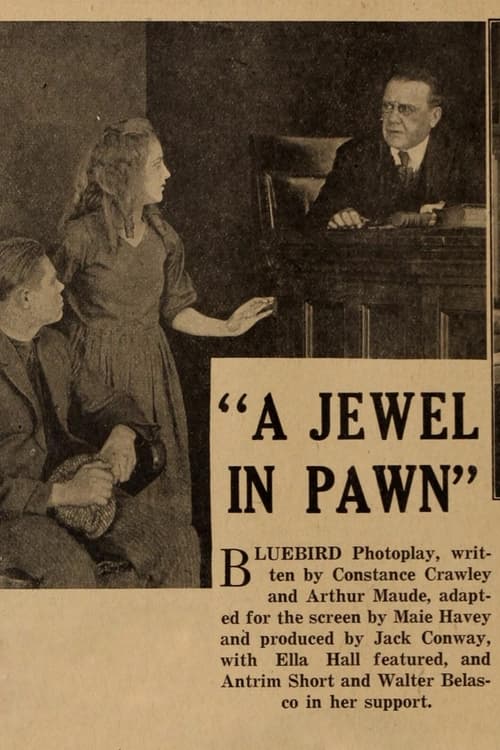
A Jewel in Pawn
1917
No user ratings available yet
Representation score: 2.0 out of 10
Representation Score
Minimal
1904
Director
Edwin S. Porter
Runtime
9 minutes
Average Rating
No ratings yetNew Showbiz Analysis
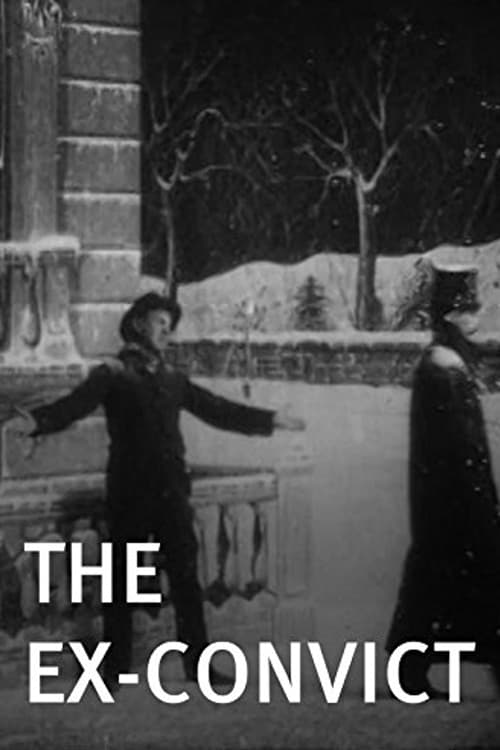
The Ex-Convict reflects its time period, relying heavily on traditional social and domestic hierarchies prevalent in 1904. The narrative centers on a male-driven moral arc, where female and child characters primarily exist to motivate the protagonist’s actions. Representation is limited to conventional types. The film does not show any racial diversity or non-straight/non-cisgender identities, reflecting the homogeneous social norms of early silent cinema. While the film addresses socioeconomic hardship and health issues, these elements serve the melodrama rather than offering nuanced explorations of systemic oppression or disability.
Category Breakdown
The film does not include any non-straight or non-cisgender identities or same-sex relationships. It follows the traditional family structures common in early 20th-century melodramas.
The story revolves around a male protagonist and traditional masculine roles. Female characters are mainly defined by their relationships to the male lead and do not have independent roles.
There is no evidence of racial or ethnic diversity among the cast. The film reflects the uniform demographics typical of early American silent films.
The narrative examines socioeconomic struggles and the challenges of social reintegration. It follows a traditional moral storyline about a man's efforts to do right within existing social structures.
An ailing daughter serves as a narrative catalyst for the protagonist's journey. However, she functions more as a plot device than as a fully developed character.
Present on Screen
Limited or Absent
Official Synopsis
A recently-released convict attempts to do right but struggles to support his wife and ailing daughter.
1917

1920

1905

1997

1904

1909
1913
1920
No reviews yet. Be the first to share your thoughts on this movie!
Use the rating form above to leave a star rating and optional review.